Continuous surface cleaning
An onboard pump draws surface water and floating debris into a collection net. The operating setup and inspection routine are confirmed for the model and site.
Green Harbor Technology · Water cleaning
Collect floating waste from marina and port waters.
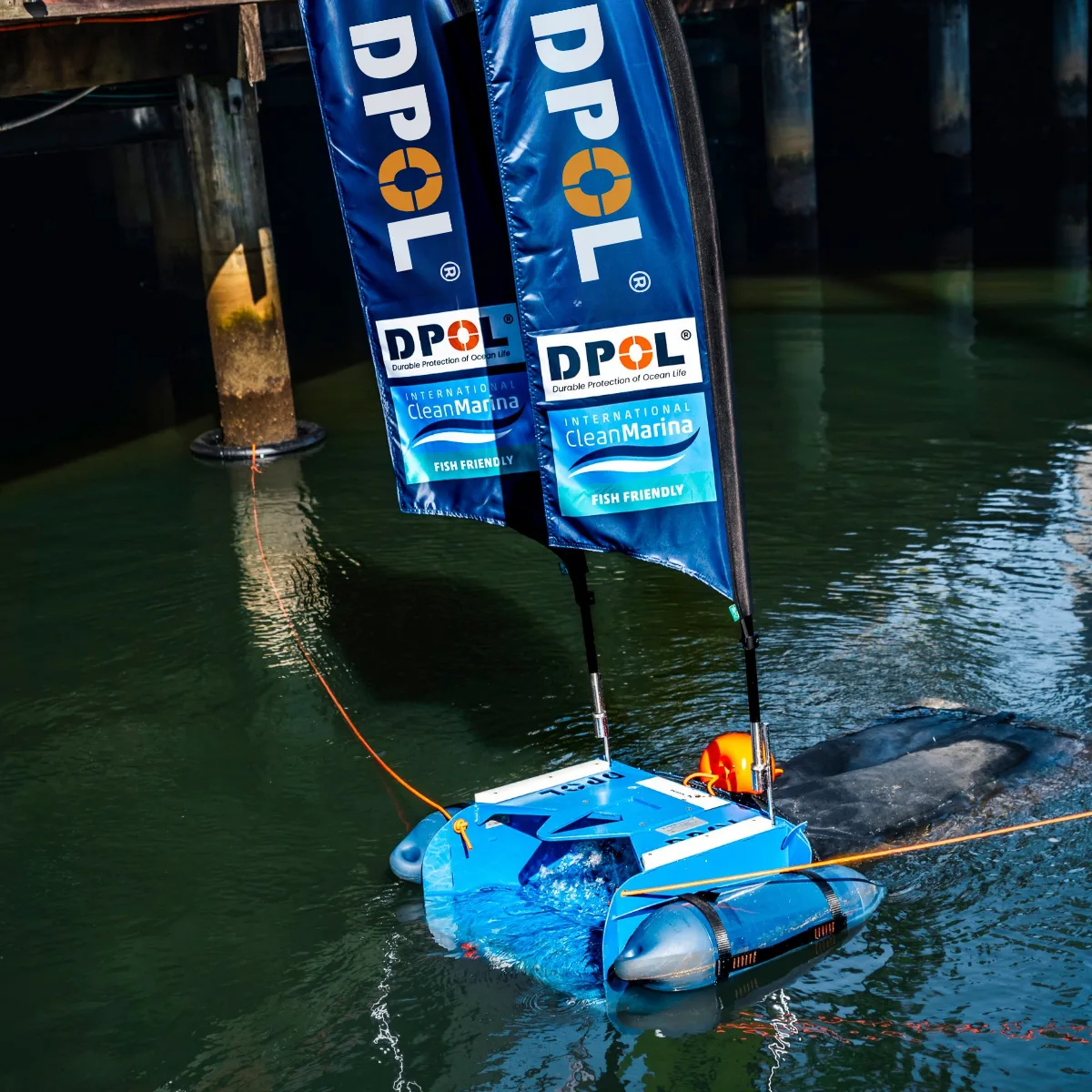
DPOL collects floating litter, vegetation and algae through an onboard pump and collection net. Compare Classic, HD and Max for your basin, with hydrocarbon collection accessories available for Classic and HD. Supplied and serviced by Vikingegaarden.
Key features
Position the collector where floating waste gathers and plan access for regular net emptying and cleaning.
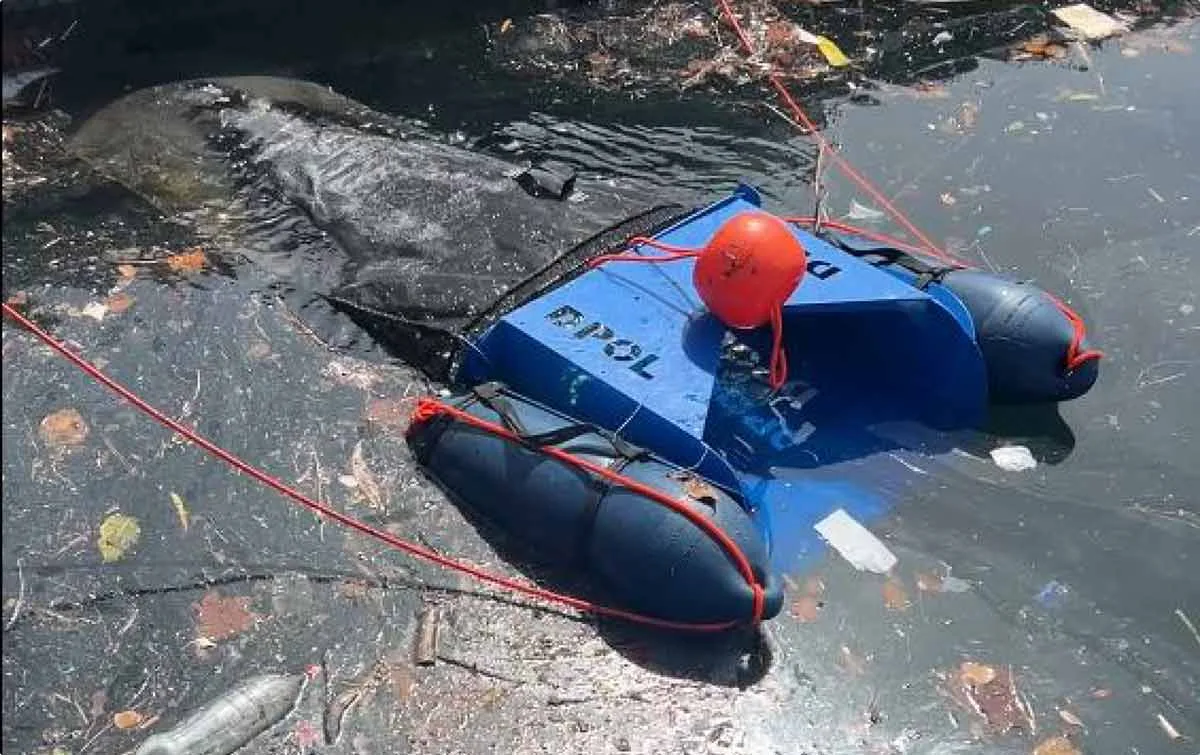
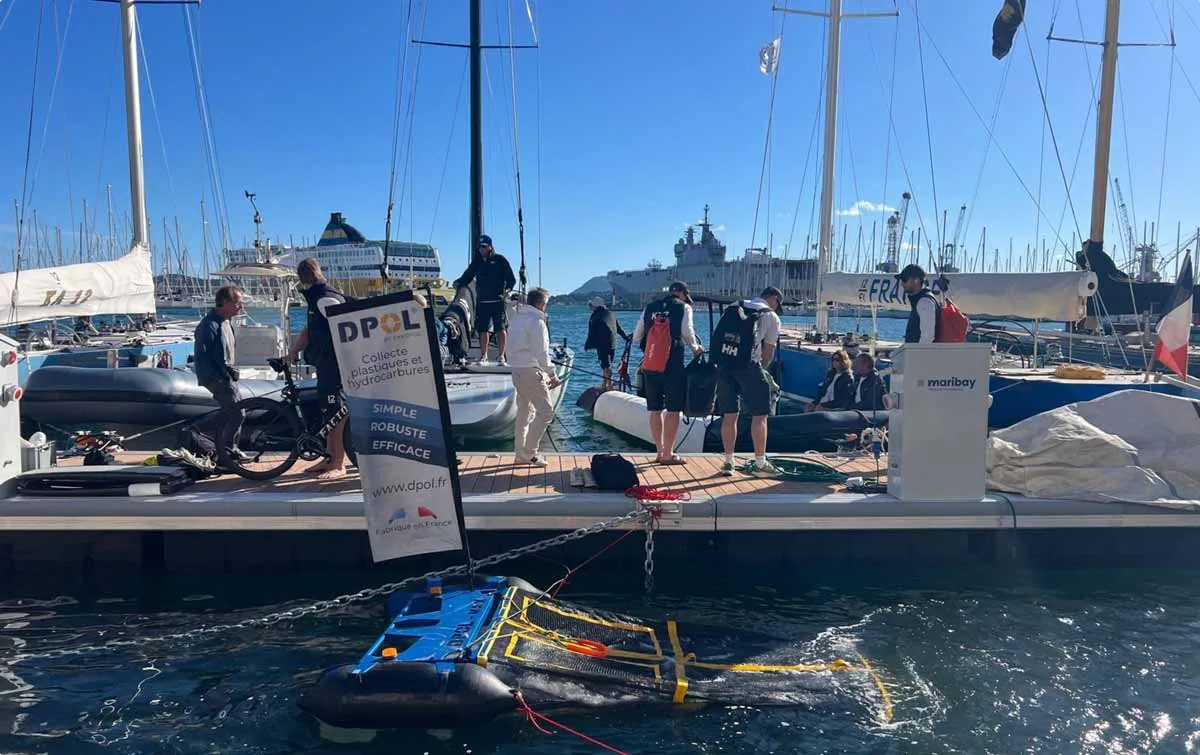
An onboard pump draws surface water and floating debris into a collection net. The operating setup and inspection routine are confirmed for the model and site.
Plastic waste, packaging, vegetation, algae and other floating debris are collected directly from the water surface before they spread through the basin.
DPOL Classic and DPOL HD can be used for surface hydrocarbon pollution with the appropriate absorbent booms, skirts or spaghetti bags.
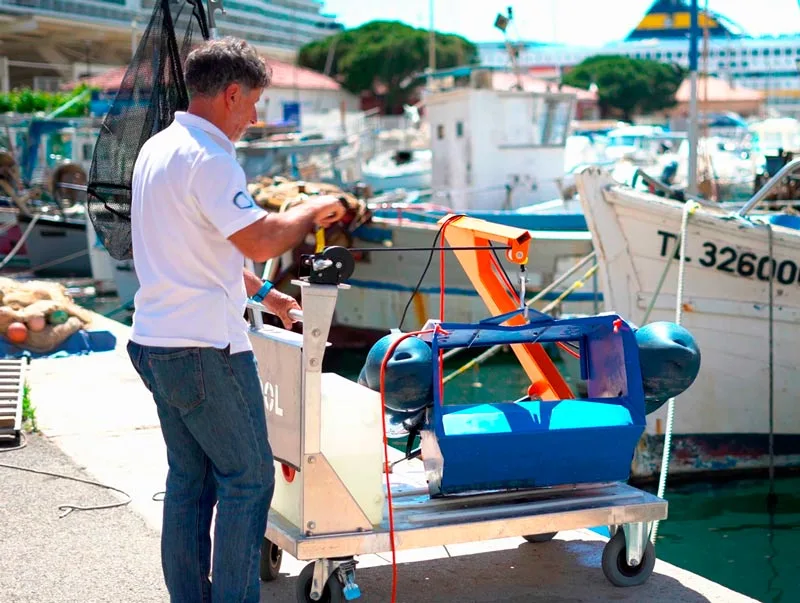
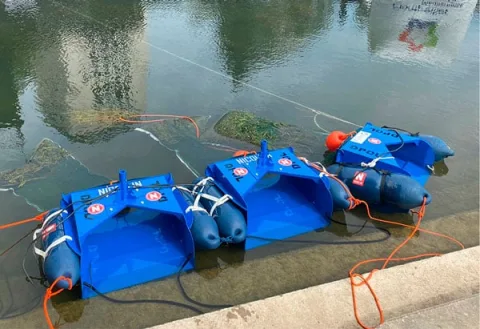
DPOL is placed where floating waste accumulates, typically beside a pier. The positioning, securing and control arrangement are agreed for the selected model.
Maintenance is mainly limited to emptying the net and periodic cleaning of the unit. Interchangeable nets from 75 L to 800 L are available.
DPOL is used for surface collection in marinas, ports, shipyards and inland waters. Model selection follows the waste load and operating conditions.
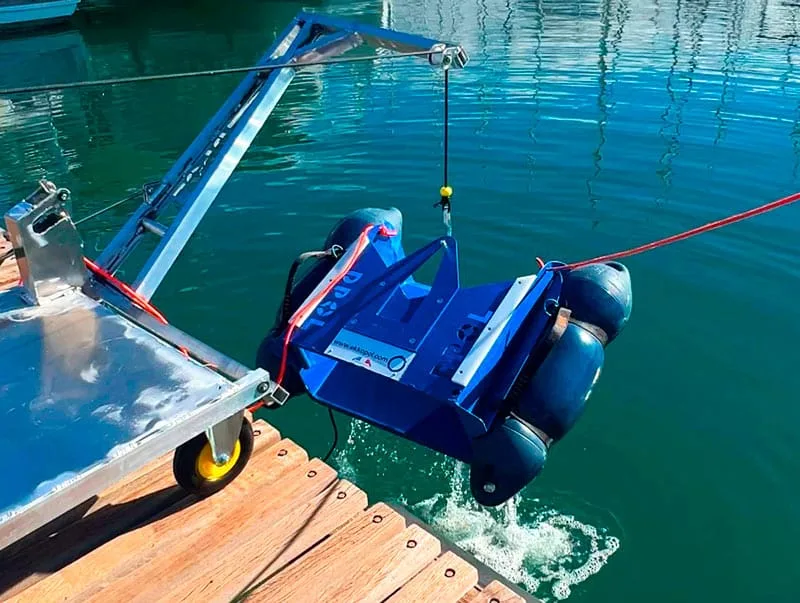
A DPOL Lifter is available for Classic and HD, with a crane option across the range. Handling and deployment are planned around the selected model and site access.
The power connection is confirmed for the selected model and collection location. Submersible-rated extension cables of 10 m and 20 m are available as accessories.
Applications
Surface collection in marinas, port basins and inland waters where floating waste gathers.
Surface litter collection in marina basins, with the model selected for the waste and site conditions.
Pump flow, net capacity and handling requirements matched to recurring floating waste.
Lakes, canals and recreational water areas where debris, vegetation and algae gather in corners and along the waterfront.
A visible and active response to water pollution, with flags or communication elements on the robot to show the commitment.
How it works
Position the unit, connect it as specified, and collect floating debris in the net.
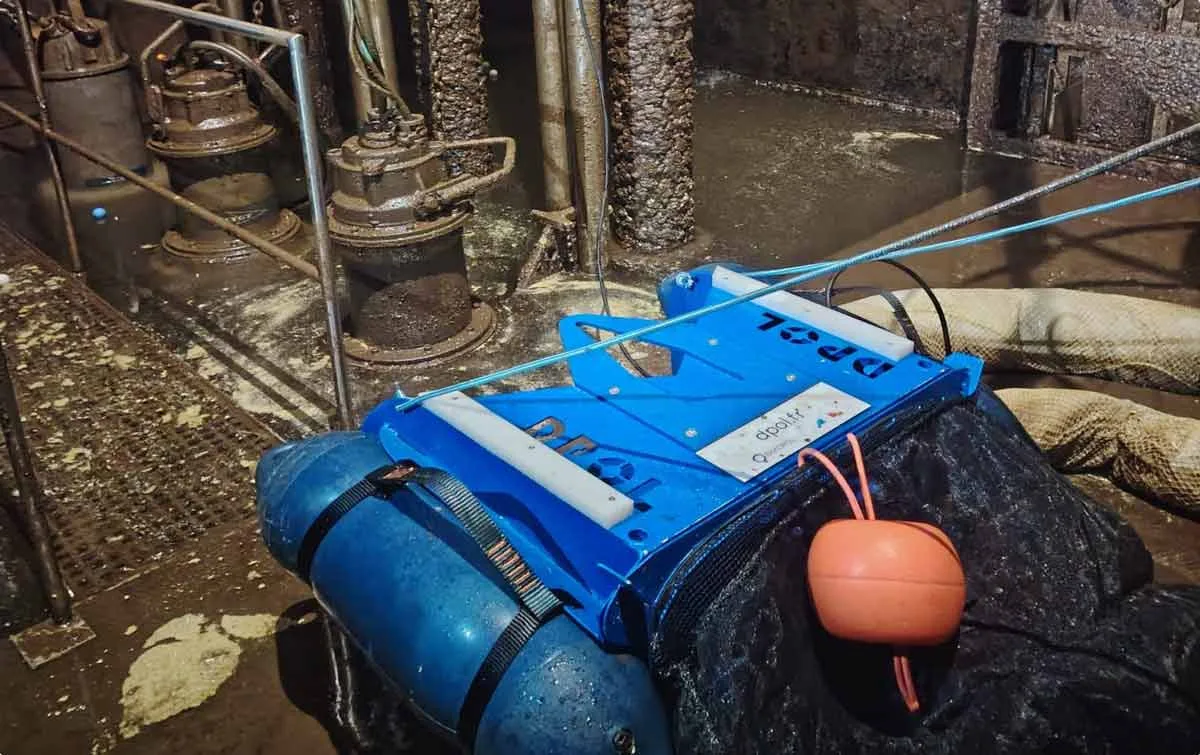
DPOL is a low profile floating collector with an onboard pump and collection system. It is typically positioned near the pier where wind and current concentrate floating waste. Classic uses a single pump, HD a high-capacity pump and Max a three-pump system.
The pump draws floating material into a net that staff remove and empty. Interchangeable nets and lifting accessories support handling. Classic and HD also accept the documented hydrocarbon collection accessories.
Identify the area where floating waste gathers
Position and secure the unit using the agreed installation arrangement
Connect the selected model to its specified power supply
The pump draws floating waste into the collection net
Empty the net and clean the unit as required
Use compatible absorbent accessories on Classic and HD for surface hydrocarbons
Models
Compare collection width, pump flow, net capacity and handling requirements for the waste found at your site.
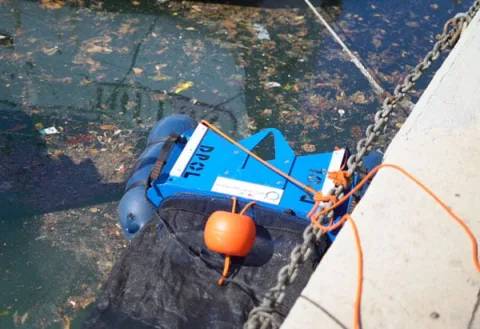
The original model, ideal for marinas, inland waters, recreational areas and calm port zones with occasional floating waste.
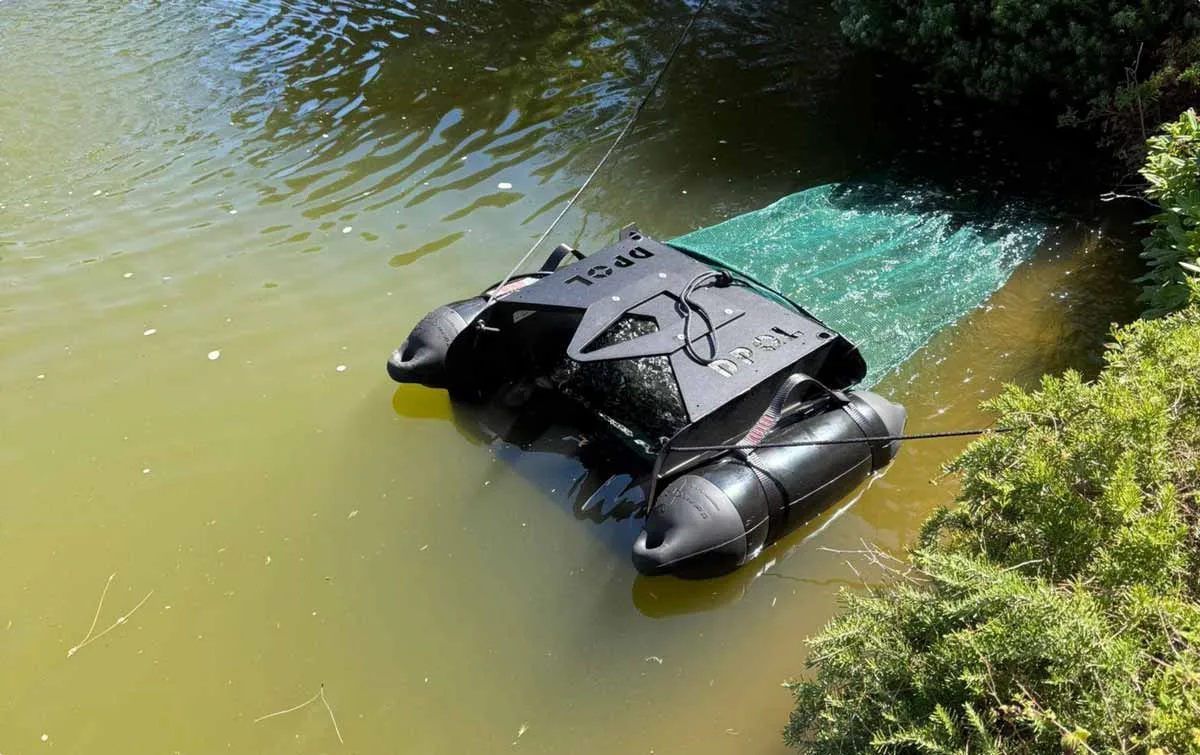
The heavy duty version for marinas, shipyards, industrial areas and locations with recurring floating waste.
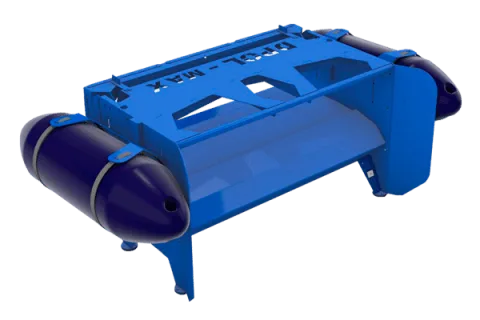
The larger configuration for ports, shipyards and marinas needing a wider collection opening and greater net capacity.
Ecosystem
A French manufactured range, distributed and supported in the Nordics by Vikingegaarden.
DPOL is made in France and distributed by Vikingegaarden for ports, marinas, shipyards and waterfront areas. Vikingegaarden helps you choose the model and accessories, delivers on site installation support and operator training for up to 10 participants, and combines DPOL with its Green Harbor Technology range for cleaner harbors.
Technical details
Accessories: interchangeable nets from 75 L to 300 L for Classic and HD and an 800 L net for Max, absorbent booms and spaghetti bags for hydrocarbons on Classic and HD, a DPOL Lifter (60 kg) and a crane option (up to 500 kg), and 10 m or 20 m submersible rated power cables. Collection width describes the opening, not a guaranteed maximum debris size. Confirm the model power supply, control arrangement, materials and handling plan in the quotation.
Confirm the collection limit, frame material and electrical supply against the selected DPOL model data sheet. Collection width is listed separately from waste size.
Ask about a specification| Spec | DPOL Classic | DPOL HD | DPOL Max |
|---|---|---|---|
| Pump flow rate | 26 m³/h | 32 m³/h | 78 m³/h |
| Pump power | 400 W | 475 W | 3 x 400 W |
| Pump system | Single pump | High capacity pump | 3 pump system |
| Collection capacity | 75 L to 300 L | 75 L to 300 L | Up to 800 L |
| Maximum waste size | On request | On request | On request |
| Collection width | 600 mm | 600 mm | 1,200 mm |
| Operating weight | 31 kg | 32 kg | 60 kg |
| Material | On request | On request | On request |
| Power supply | On request | On request | On request |
| Hydrocarbon accessories | Yes | Yes | No |
| Deployment | Manual launch | Manual launch | Crane or davit required |
| Recommended use | Occasional floating waste in calm, protected areas | Frequent floating waste in more demanding harbor areas | Large volumes of floating waste in ports, shipyards and industrial areas |
Product guide
Plan DPOL around where surface waste gathers, the material to collect, net emptying access and the operating arrangement.
DPOL serves marinas, ports, shipyards and other waterfront sites with recurring floating litter, vegetation or algae. It collects material at the water surface through a pump and net.
Start by identifying where waste accumulates and how it varies with wind, current and site activity. This helps determine the collection location, model and routine for emptying the net.
DPOL Classic has a pump flow of 26 m³/h and HD 32 m³/h. Both have a 600 mm collection width and nets from 75 L to 300 L. Max uses a three-pump system with 78 m³/h flow, a 1,200 mm collection width and an 800 L net.
Choose by the type and quantity of floating material, collection opening, net capacity and handling requirements. Pump flow describes water moved through the system; it is not a waste removal rate. Classic and HD support the listed hydrocarbon accessories, while Max does not.
Plan a collection position where floating waste gathers and where staff can reach the net for emptying. The securing, power and control arrangement is confirmed for the selected unit and site.
Vikingegaarden provides on-site installation support and operator training for up to 10 participants. Lifting accessories include the DPOL Lifter for Classic and HD and a crane option across the range.
The onboard pump moves surface water and floating debris into the collection net. Staff empty the net and clean the unit as part of the operating routine. Interchangeable nets are available for Classic and HD, with an 800 L net for Max.
For surface hydrocarbons, Classic and HD accept the documented absorbent booms, skirts and spaghetti bags. Select the accessories for the material to be collected and include their inspection and replacement in the operating plan.
DPOL is made in France and distributed and supported in the Nordics by Vikingegaarden. Surface collection can be planned alongside the harbor infrastructure and daily waste handling routine.
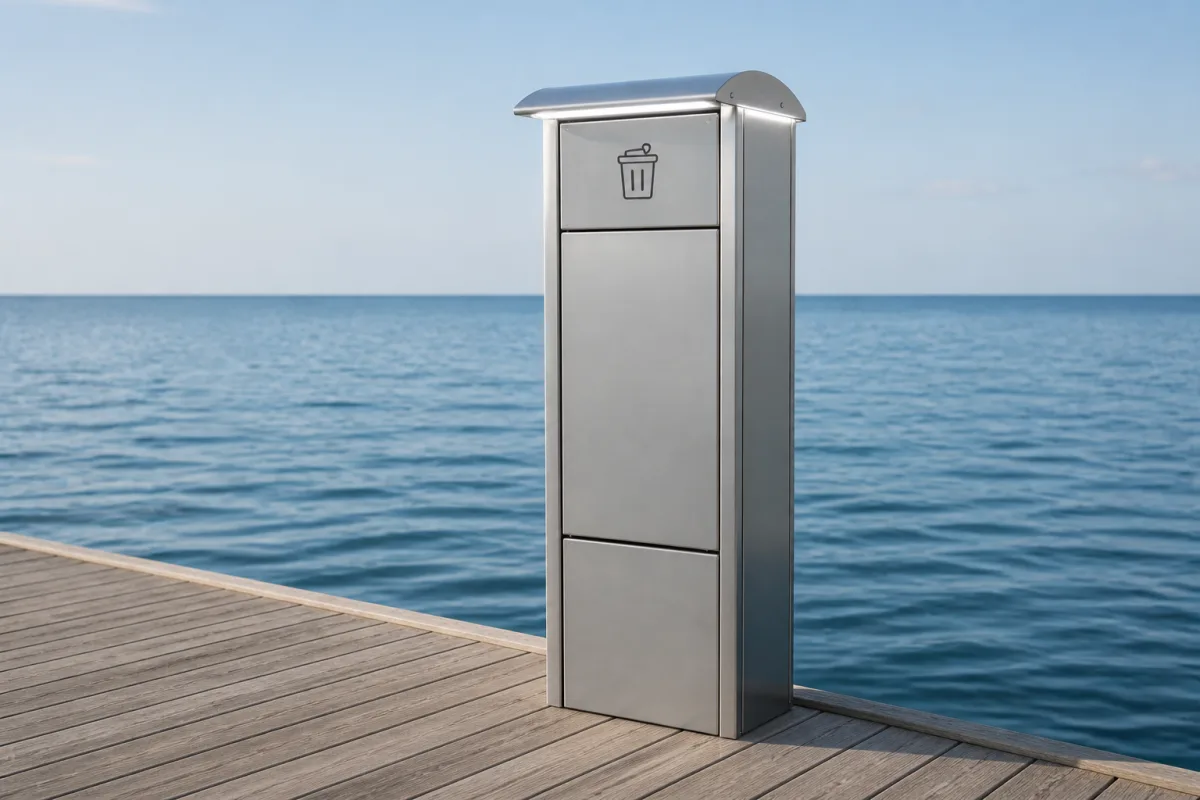
For litter collection on the walkway, Marinella NEO LightBin combines a waste compartment and LED light. It serves a different collection point from DPOL in the water.
A closer look
Good to know
DPOL collects floating litter, vegetation, algae and other surface debris through an onboard pump and net. Classic and HD also support the documented absorbent accessories for surface hydrocarbons.
The unit is positioned where floating waste accumulates, typically beside a pier. The securing, power and control arrangement is confirmed for the selected model. Operator training covers use, net emptying and routine cleaning.
Compare collection width, pump flow, net capacity and handling requirements against the waste found in your basin. Classic and HD use nets from 75 L to 300 L and support hydrocarbon accessories. Max has a wider collection opening and an 800 L net, with different handling requirements.
Yes. DPOL Classic and DPOL HD can be used for surface hydrocarbon pollution with compatible absorbent equipment: an absorbent boom with skirt, a reusable skirted boom or absorbent spaghetti bags. DPOL Max does not take these accessories.
No. Regular maintenance mainly involves emptying the collection net and cleaning the device periodically. Interchangeable nets are available, and a DPOL Lifter or crane makes handling easy.
DPOL can be installed in marinas, port basins, inland waterways, industrial areas, shipyards, recreational water areas and waterfront locations where floating waste tends to accumulate. It is suitable for fresh and salt water.
Provide the proposed collection location and available electrical supply. Vikingegaarden confirms the connection for the selected model. Submersible-rated extension cables of 10 m and 20 m are available as accessories.
DPOL is intended for surface collection in fresh and salt water, including marinas, port basins and shipyards. The model and operating arrangement are selected for the conditions at the site.
Have a question about your project?
Talk to our teamExplore
Let’s talk about your project
Tell us about your basin, how much floating waste you see and where it gathers. We help you pick between DPOL Classic, HD and Max and the right accessories.
Tinnetvej 70, 7173 Vonge, Denmark