
Vikingegaarden division
AtoN House Nordic
AtoN House Nordic is the Vikingegaarden division for aids to navigation, marine marking and monitoring. Vikingegaarden specifies, supplies, installs, commissions and supports equipment from Denmark, with each installation based on its marking plan and operating conditions.
01 - The range
Equipment for visual marking, radar identification and monitoring
Marine navigation lights
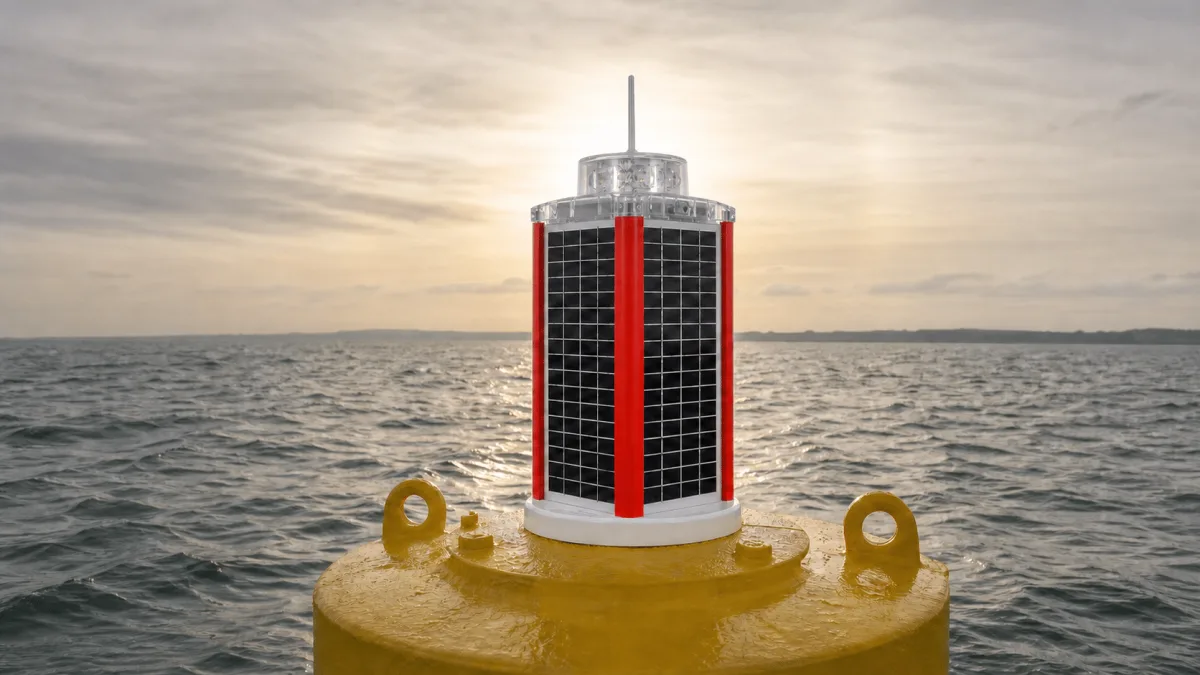
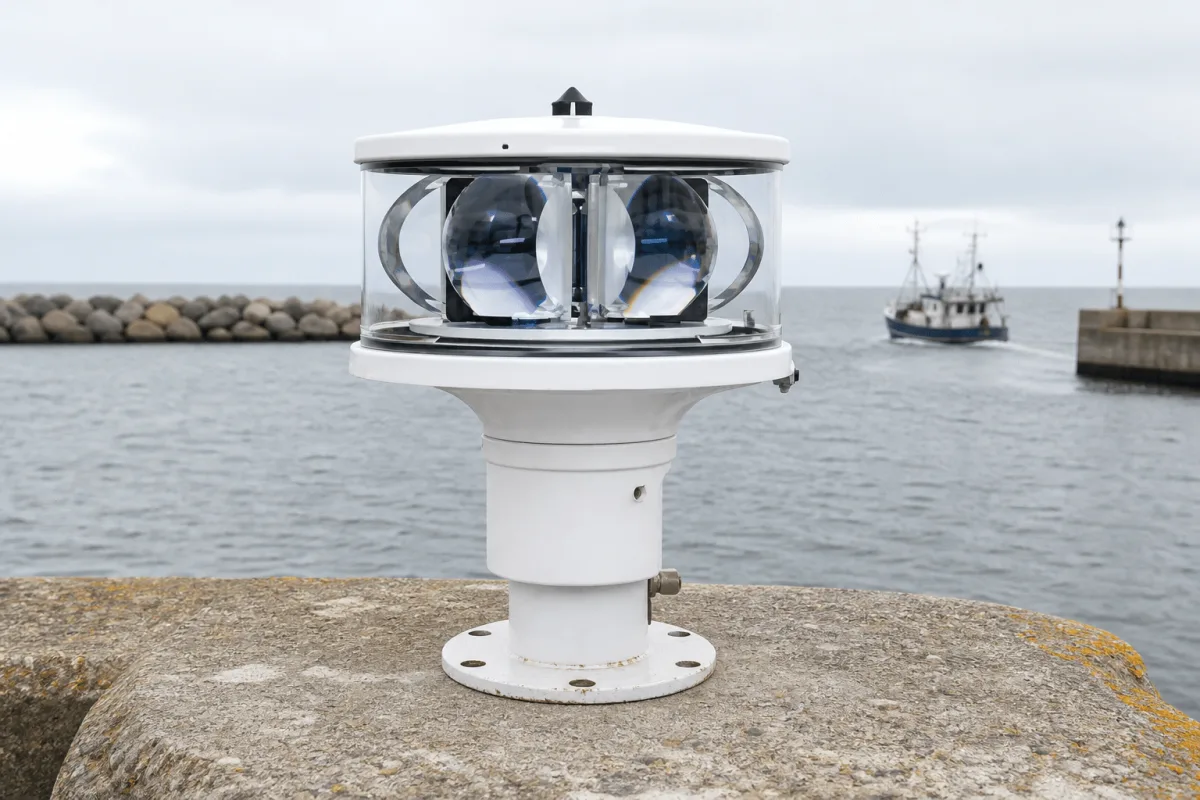
Omnidirectional lanterns, directional beacons, sector lights and leading lights serve distinct marking functions. MarineGuard combines selected optical equipment with a mast, power supply and monitoring.
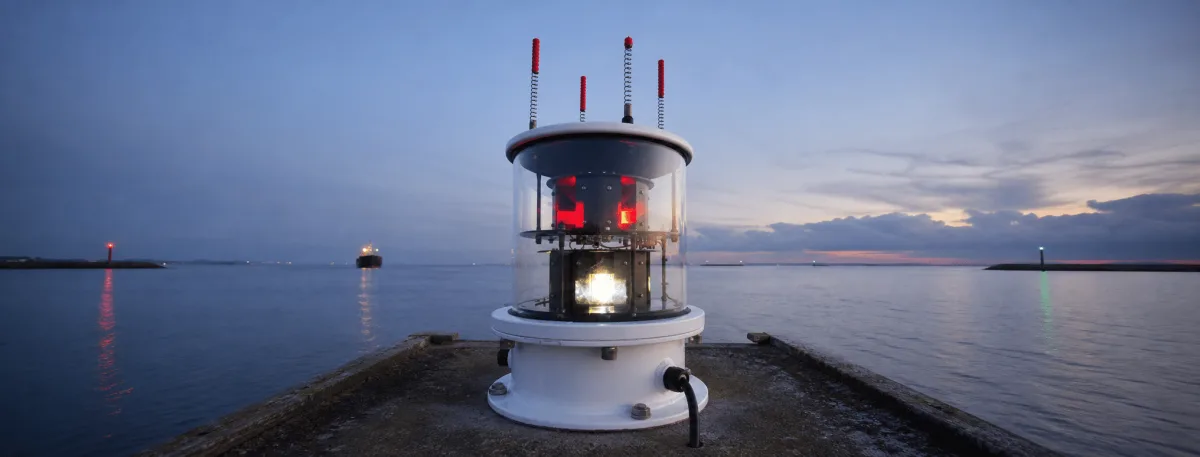
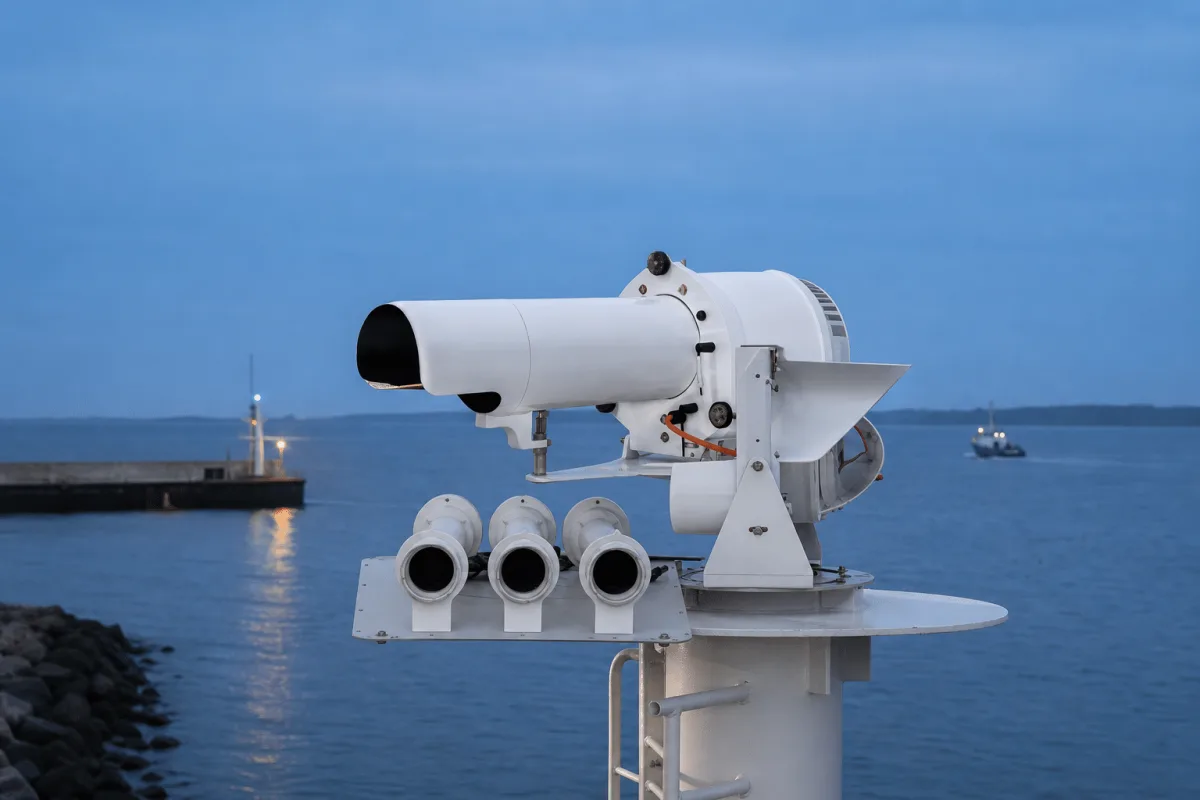
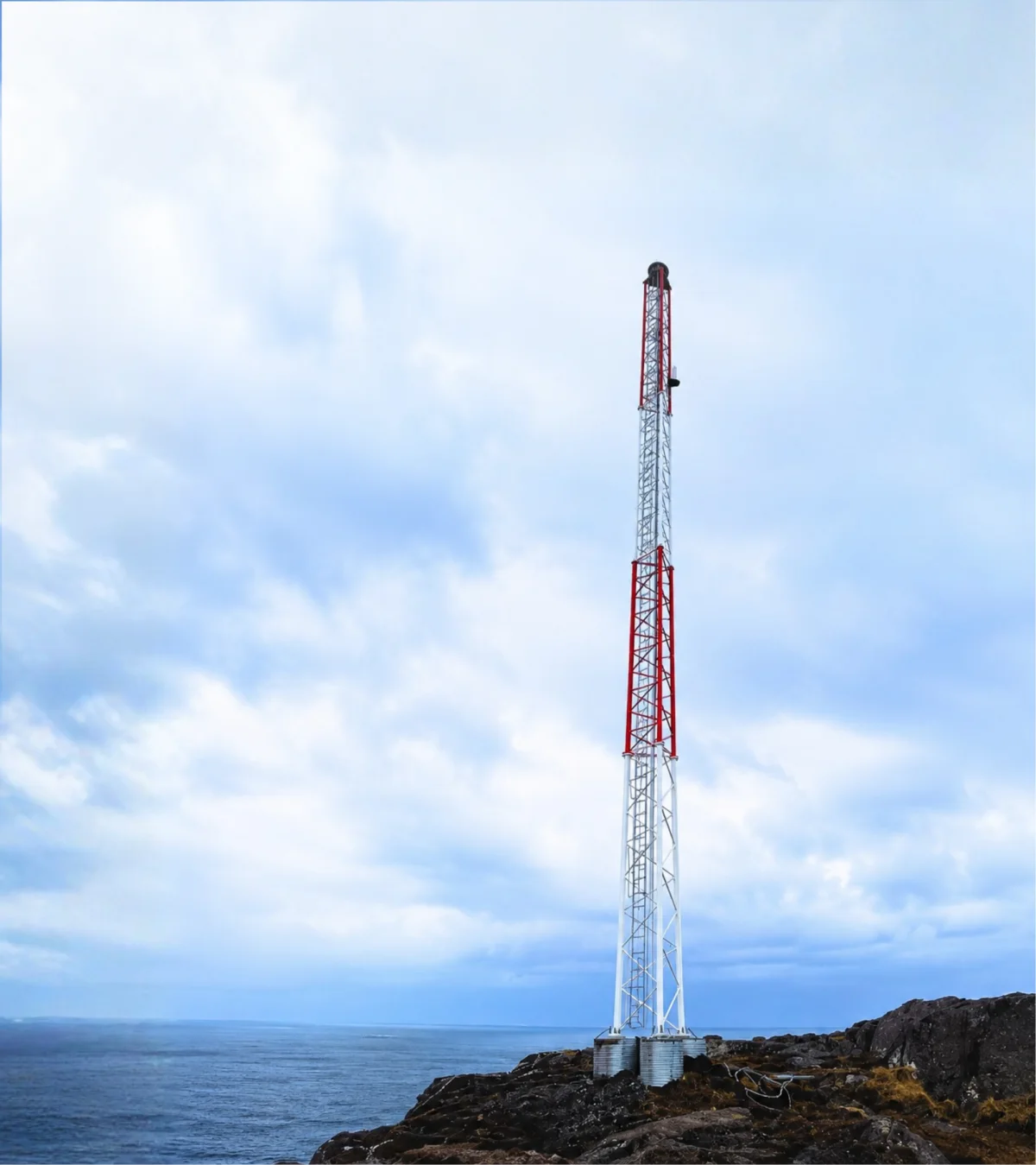
Marker lights, radar identification and structures
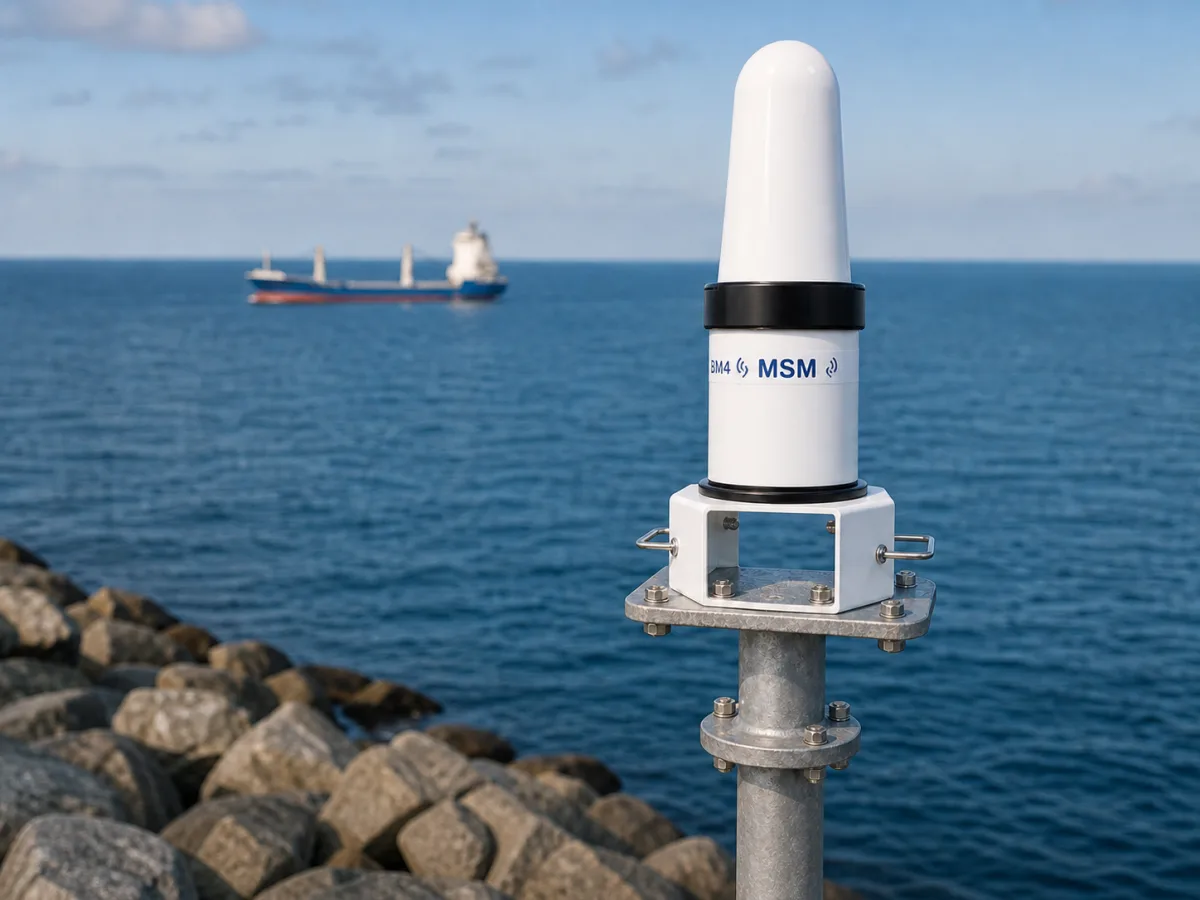
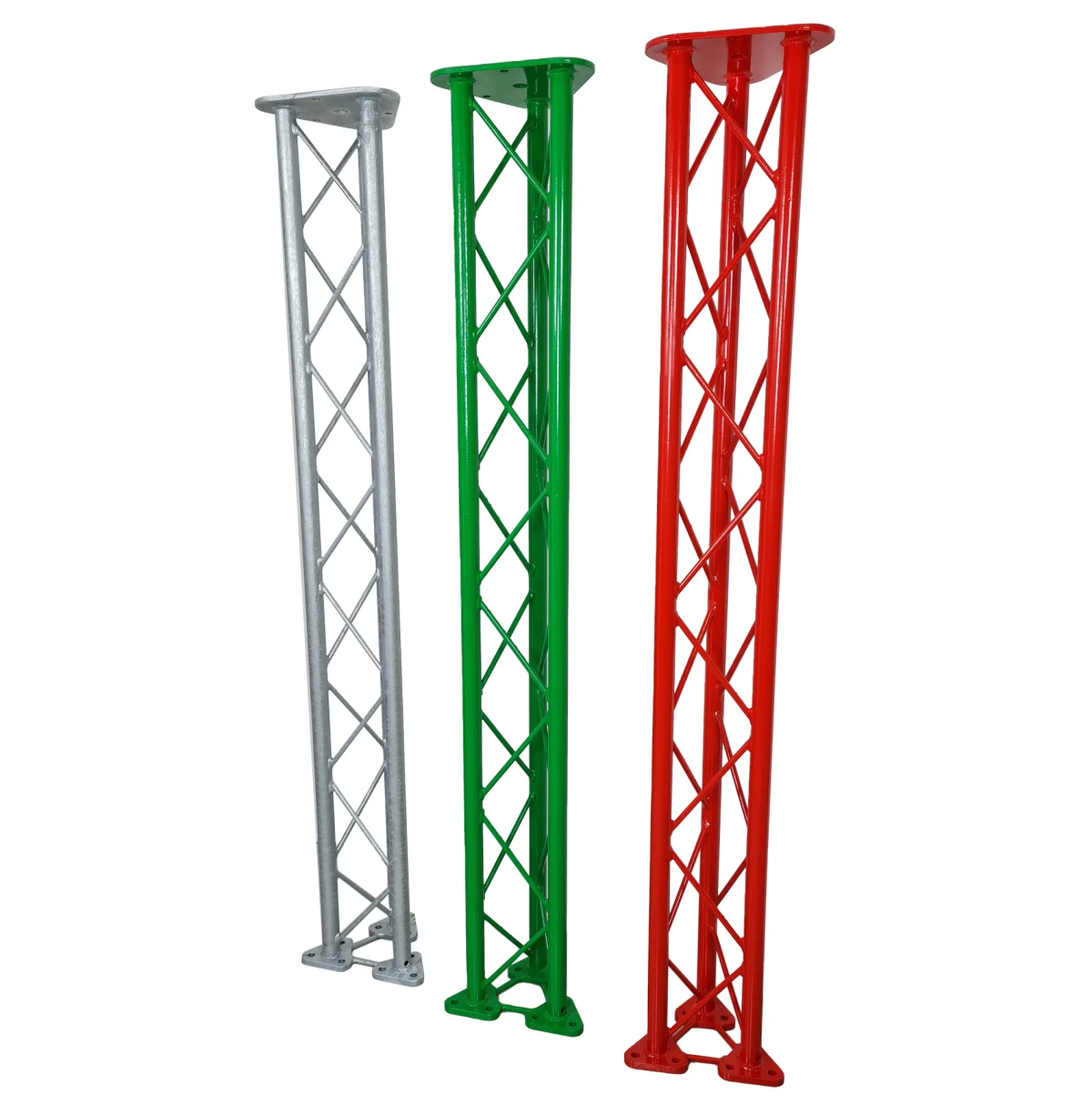
The range includes Daniamant marker lights and portable strobes, AMG Microwave and Tideland Signal racons, lattice masts and aviation warning lights. Model data and approval documents are confirmed for the selected application.
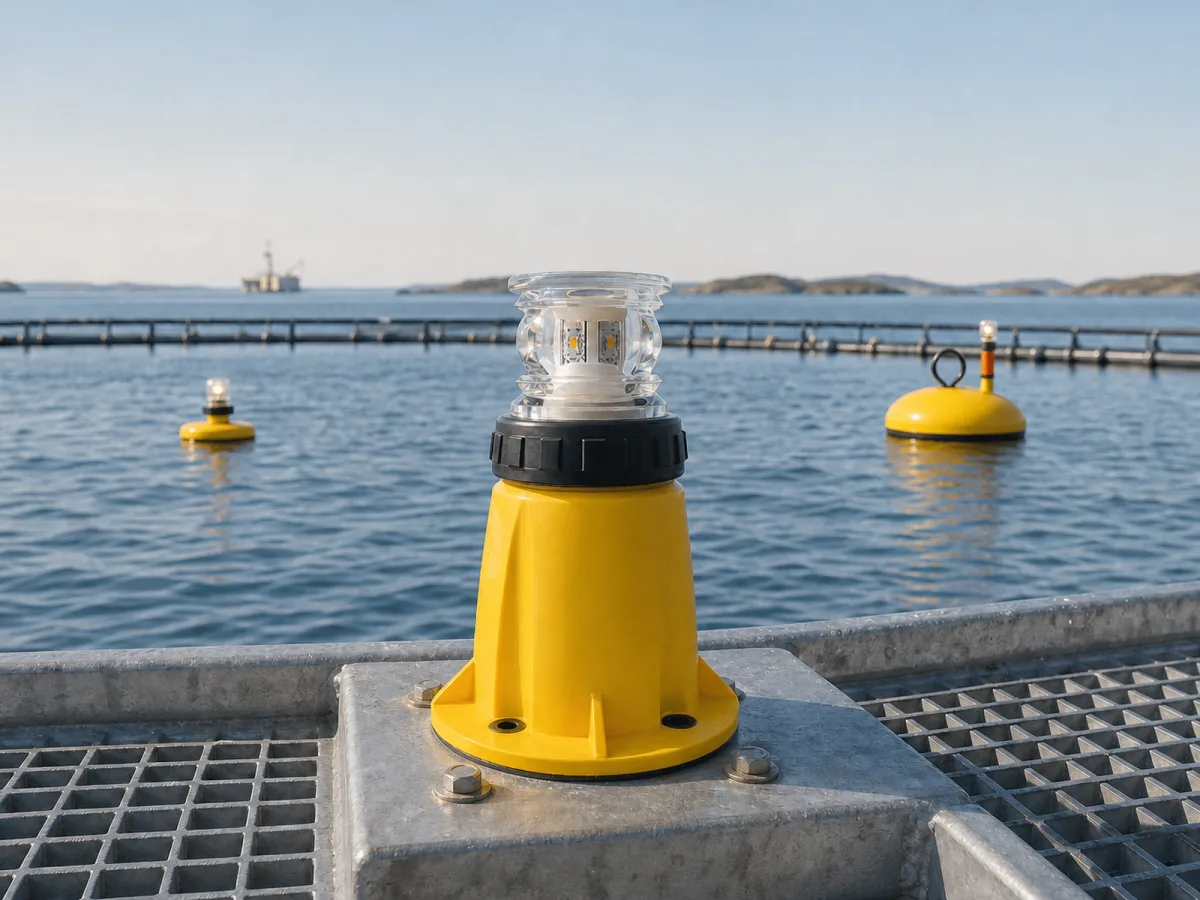

Buoyage and marine measurements
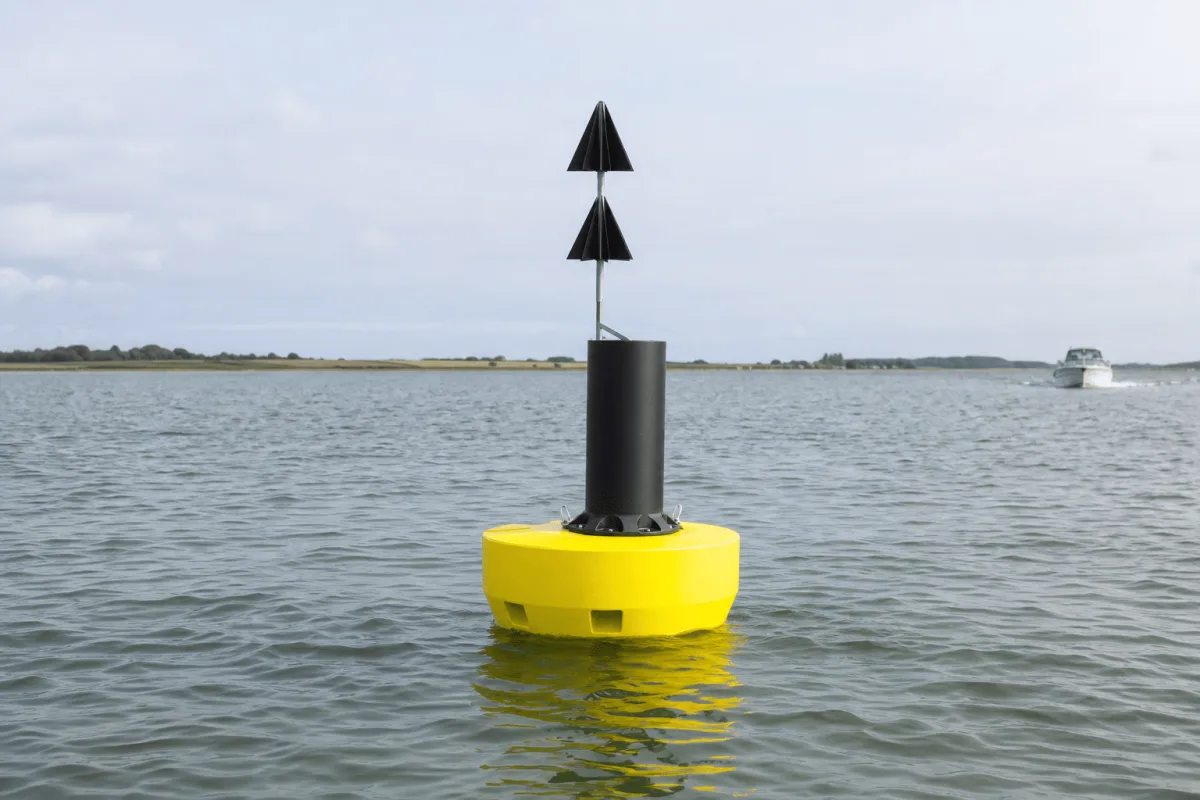
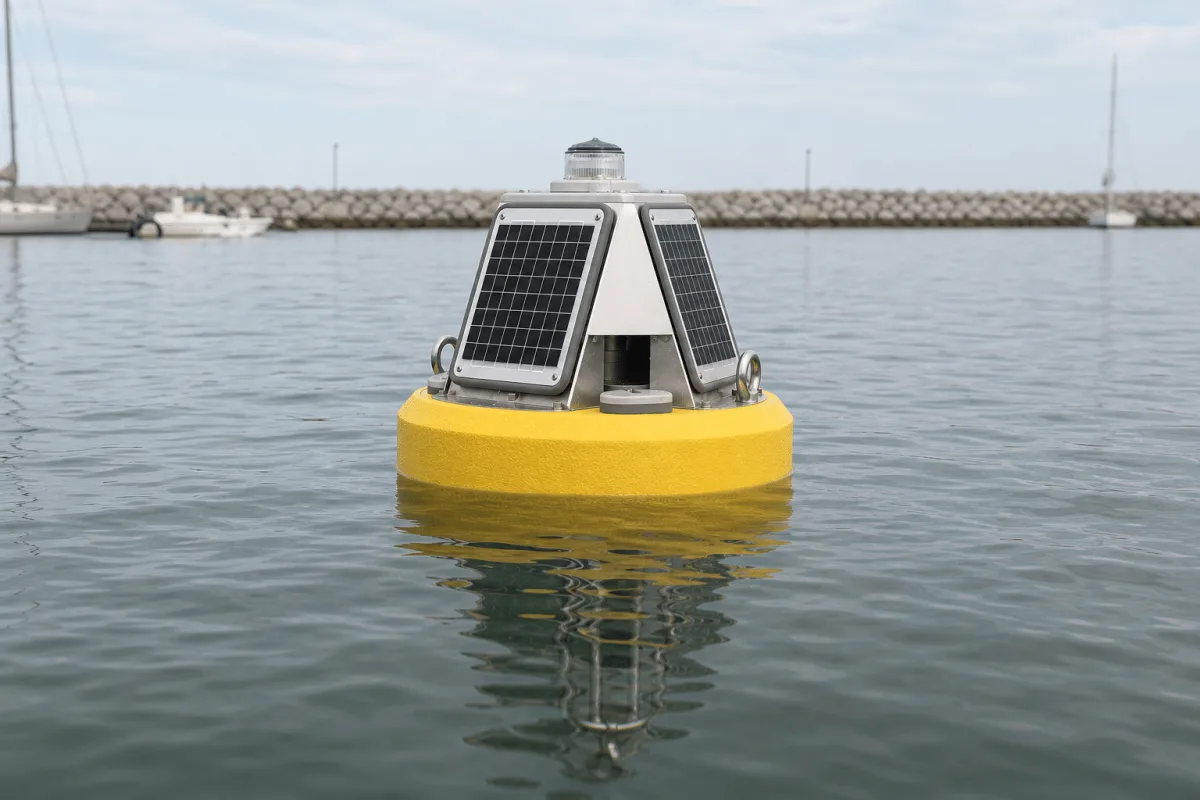
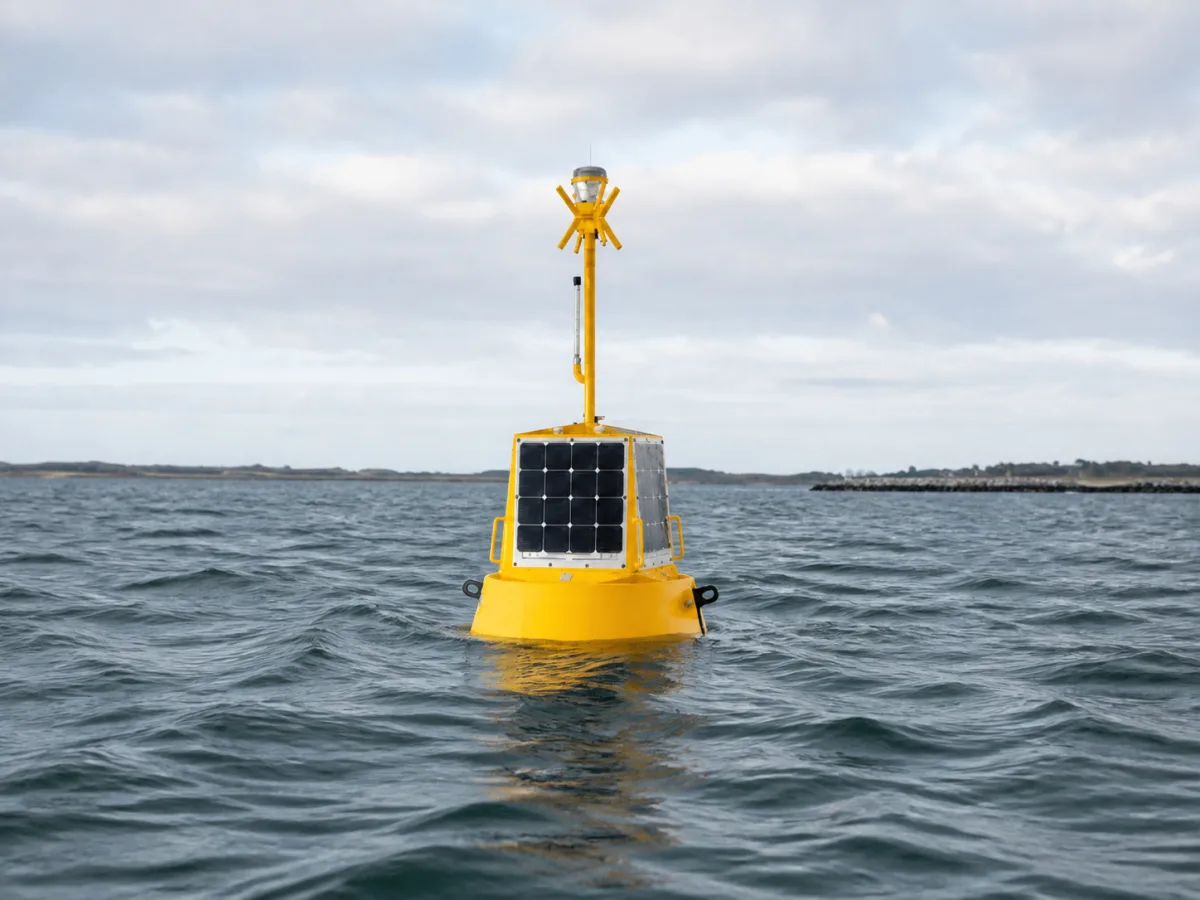
Physical and virtual marking configurations are specified from the navigation requirement. Data and measuring buoys provide project-specific sensor platforms; the supplied buoy range and instrument package are confirmed in the quotation.

AtoN monitoring and supported control
NaviGuard connects supported equipment to Emiko for status, alarms and available measurements. Remote settings and position information depend on the installed instrument and released integration.
02 - Applications
Applications and specification requirements
The marking plan defines the function, position and required performance of each aid to navigation. Site exposure, power availability and maintenance access determine the installation configuration.
Harbour approaches and channels
The optical specification defines colour, flash character, nominal range and beam or sector geometry. Lateral marking follows the applicable IALA Maritime Buoyage System region and direction of buoyage.
Coastal and floating marking
Buoy selection includes hull, ballast, mooring and fitted equipment. Water depth, exposure and handling requirements are assessed together, with supported monitoring functions confirmed for the installation.
Fixed and offshore structures
Structure marking is specified for the required visual or radar identification. Mast, foundation, electrical supply and backup autonomy are coordinated with the selected equipment and site conditions.
Aquaculture and marine work areas
Marker lights and virtual AIS marks are selected for the defined equipment or work-area marking task. The configuration includes operating period, required visibility or AIS coverage and the applicable marking documentation.
03 - Project delivery
Specification, delivery and operational support
Vikingegaarden coordinates equipment selection and installation through to commissioning and service. The agreed scope and acceptance requirements are recorded for each project.
- 01
Specification
The marking plan, site conditions, performance requirements and authority documentation define the project. Vikingegaarden confirms the technical basis for equipment selection.
- 02
Configuration
The equipment configuration records colour, flash character, range, mounting and power requirements. Monitoring is included where the equipment supports the specified functions.
- 03
Installation and commissioning
Vikingegaarden installs and commissions the equipment or provides agreed support for the installation contractor. Functional checks and settings are documented at handover.
- 04
Monitoring
Emiko receives supported status, measurements and alarms from the connected installation. Available signals and notification responsibilities are confirmed during commissioning.
- 05
Service
Inspection, maintenance and technical support are planned for the installed equipment. Service documentation records responsibilities, access requirements and the agreed support scope.
04 - Questions
Technical questions about aids to navigation
Which information defines an AtoN specification?
The specification requires the marking function, coordinates, required range, colour and flash character. Mounting, power, exposure and monitoring requirements complete the installation basis.
How is nominal range stated?
Nominal range uses atmospheric transmissivity T=0.74. Manufacturer photometric data must be confirmed for the selected colour and optical configuration; actual visibility also depends on site and weather conditions.
Which equipment can be monitored through Emiko?
NaviGuard connects supported equipment to Emiko for status, alarms and available measurements. Remote settings and position information depend on the installed instrument and released integration.
Which approvals and power calculations are required?
The responsible authority and application determine the required documentation. Power and autonomy are calculated for the selected equipment, operating character and site conditions, including seasonal solar generation where relevant.
05 - The company
More from Vikingegaarden
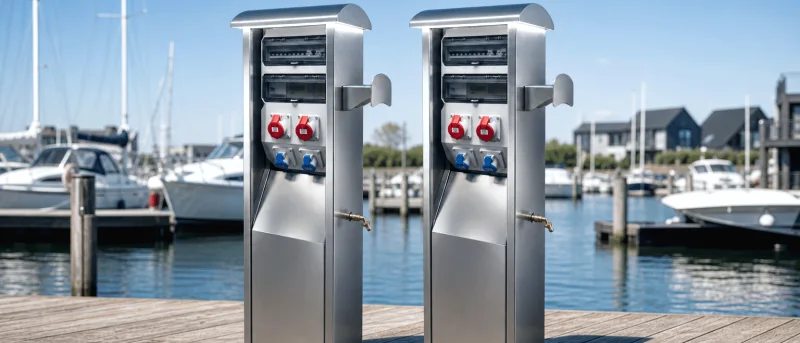
Green Harbor Technology
Infrastructure systems for marinas, commercial harbours and industrial harbours.
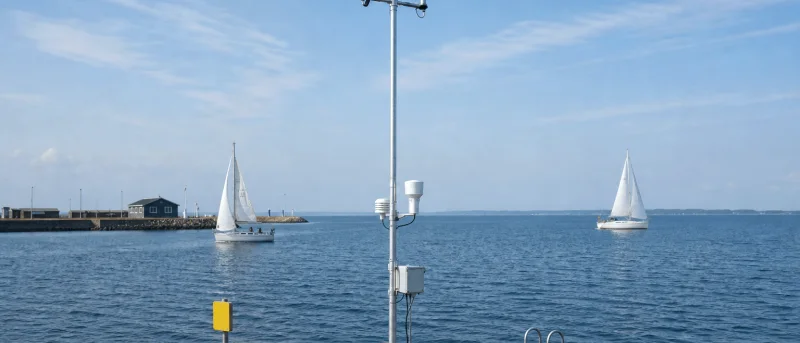
Cumulus Systems
Site-specific weather and water data for operational decisions.

NordWatch Automation
Remote control and telemetry for distributed equipment.

Cloud Data Services
Software for operations, metering and settlement.
AtoN House Nordic
AtoN project enquiries and quotations
The enquiry should include the marking plan, site information and required equipment performance. Vikingegaarden confirms the proposed configuration, documentation and supply scope in the quotation.