Defined colour sectors
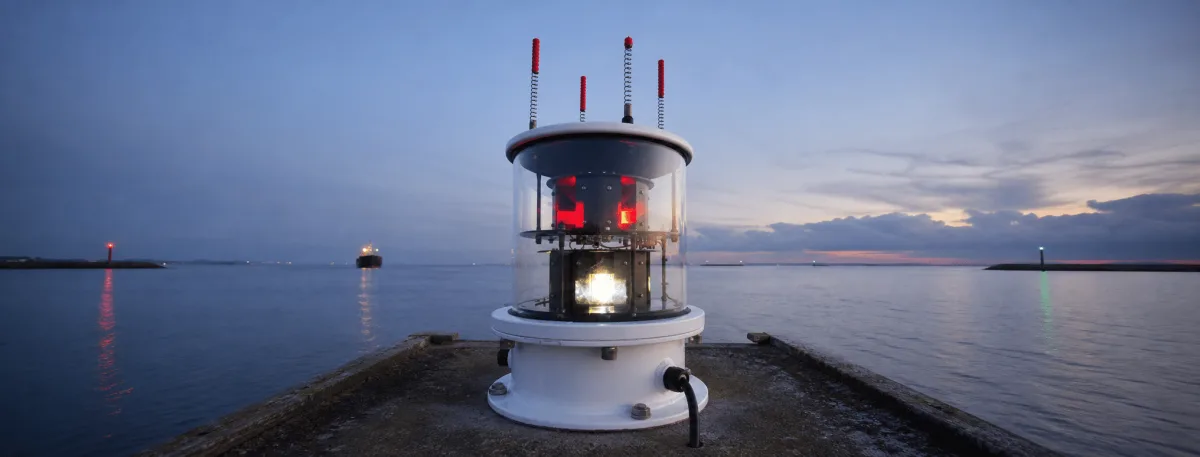
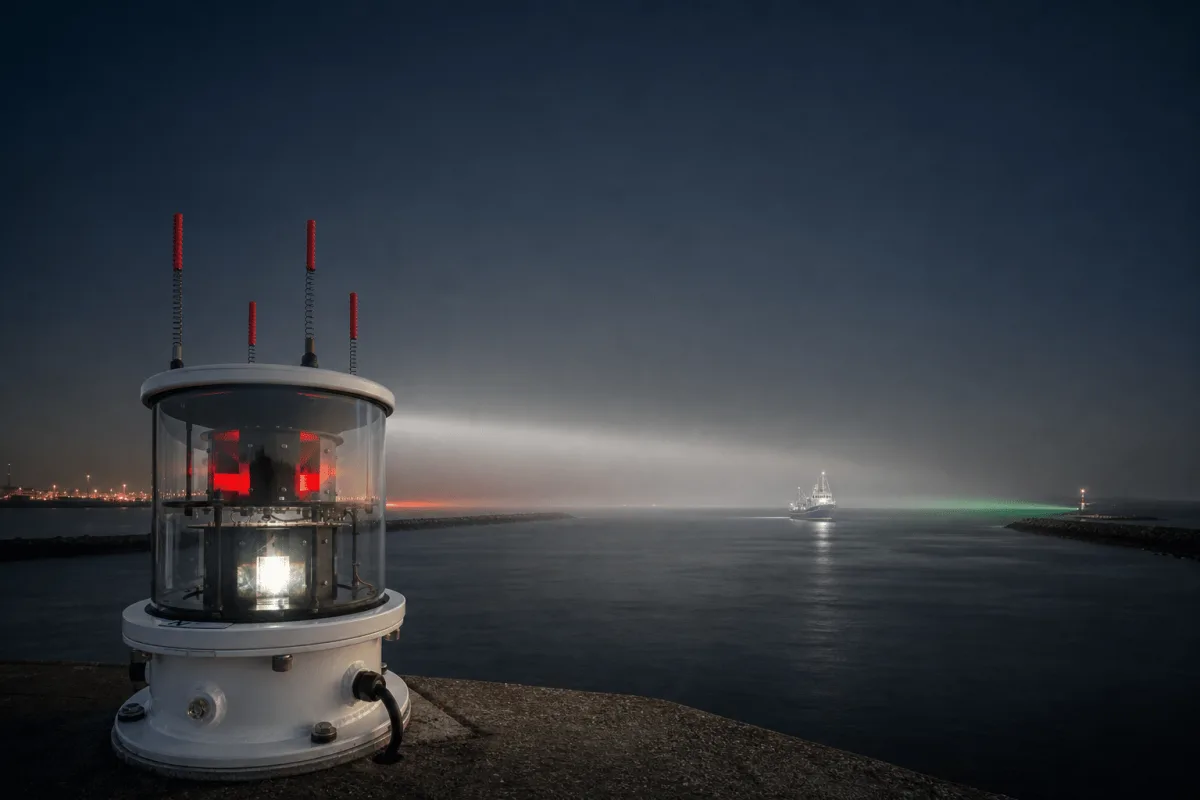
The marking plan establishes the colour and bearing of each sector boundary. Red, white and green sectors must be interpreted using the published arrangement for the site.
AtoN House Nordic
Sector lights and PEL for defined navigation sectors
Sector lights display different colours over defined horizontal sectors to indicate the relationship between a vessel and the charted approach. Vikingegaarden specifies, supplies, installs and commissions MSM sector lights and Tideland Signal port entry lights, with Emiko monitoring where supported.
Key features
Sector bearings, colours and required range are specified for the approach. Optical accuracy and mounting stability are assessed together.
The marking plan establishes the colour and bearing of each sector boundary. Red, white and green sectors must be interpreted using the published arrangement for the site.
MSM publishes 0.5° sector accuracy for the MBL 400S and boundary accuracy better than 0.05° for the MEL port entry lights. These values describe different optical configurations and must be checked against the required sector layout.
Nominal range is assessed at atmospheric transmissivity T=0.74. Luminous intensity, colour, background lighting and observer height are included in the optical assessment.
The electrical design includes light output, operating character and required backup autonomy. Emiko status and alarm functions are confirmed for the selected equipment and interface.
Specification
The surveyed approach defines the sector layout. Installation and acceptance checks verify the boundary bearings and coverage.
Vikingegaarden specifies the optical configuration from the marking plan, required range and available mounting position. The installation includes alignment, power verification and documentation of the commissioned sector boundaries.
The marking plan defines sector bearings and colours.
The optical assessment confirms range, intensity and boundary accuracy.
The installation specification defines mounting, power and monitoring.
Commissioning documents alignment and the observed sector boundaries.
Models
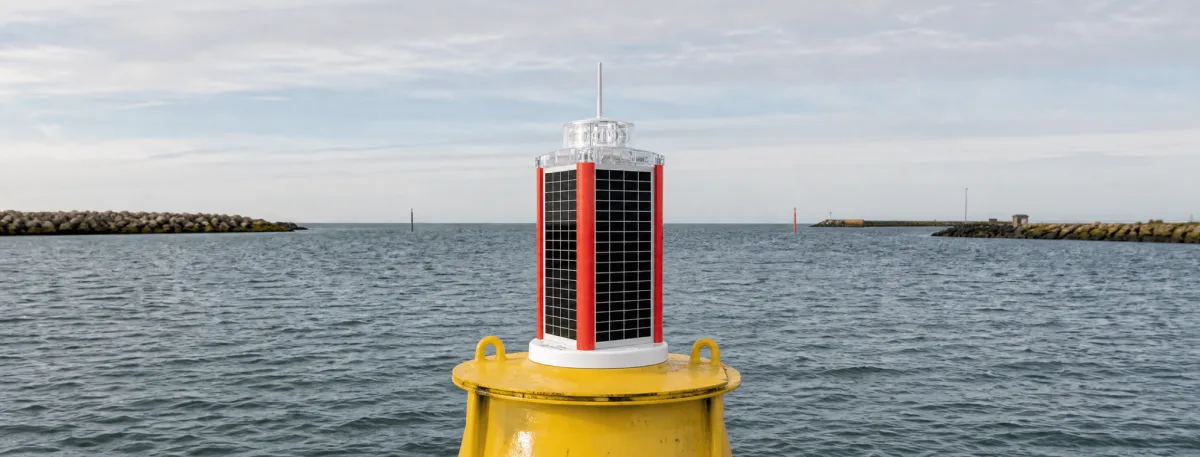
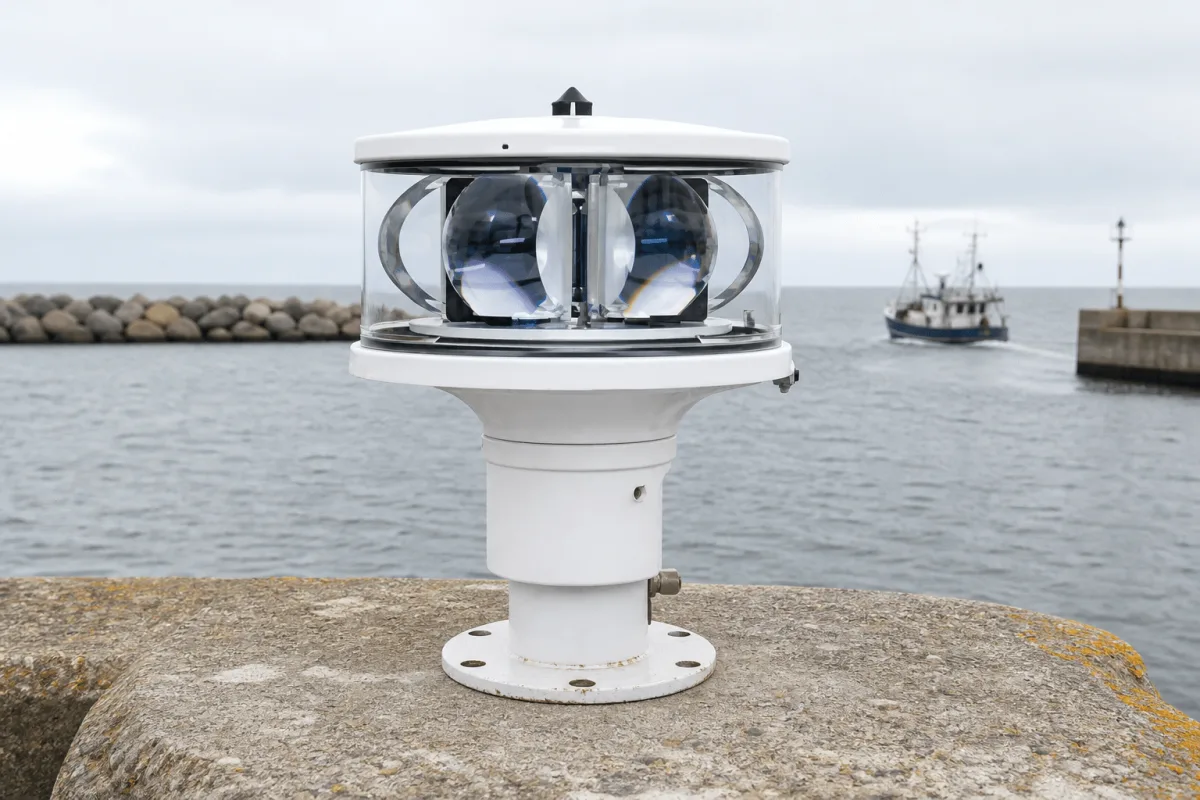
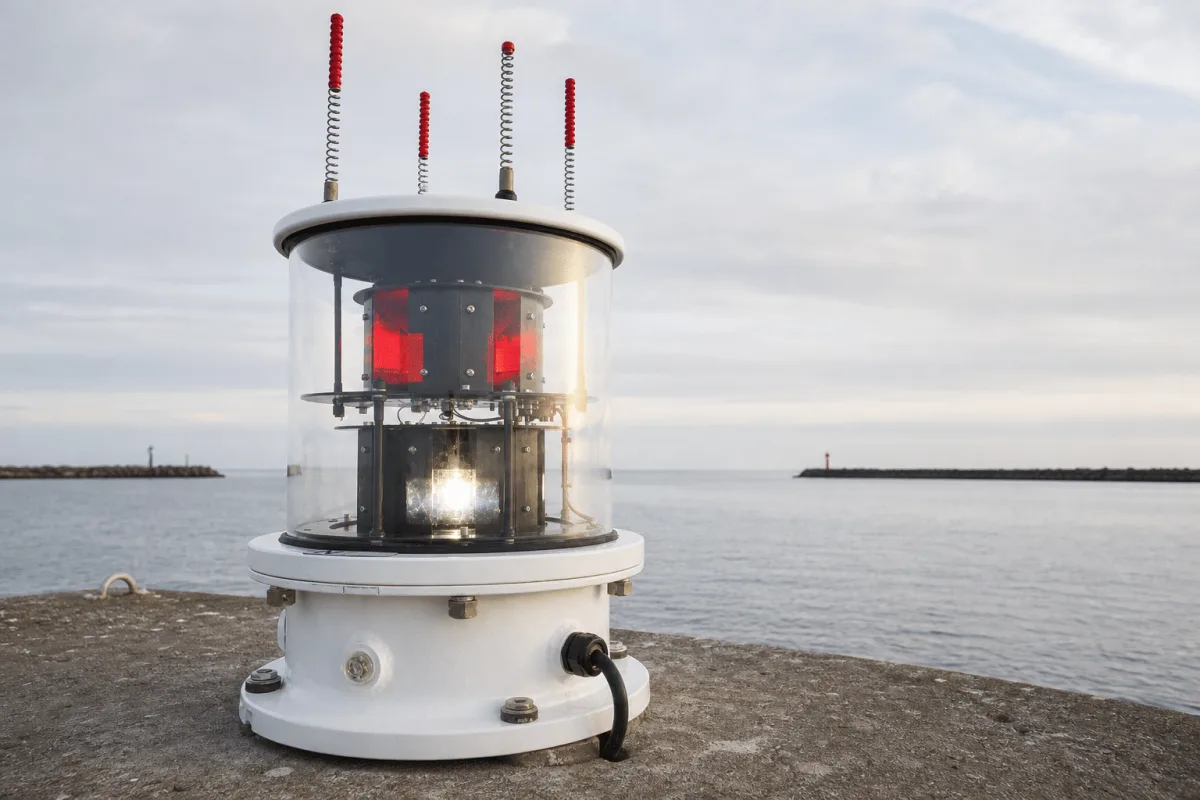
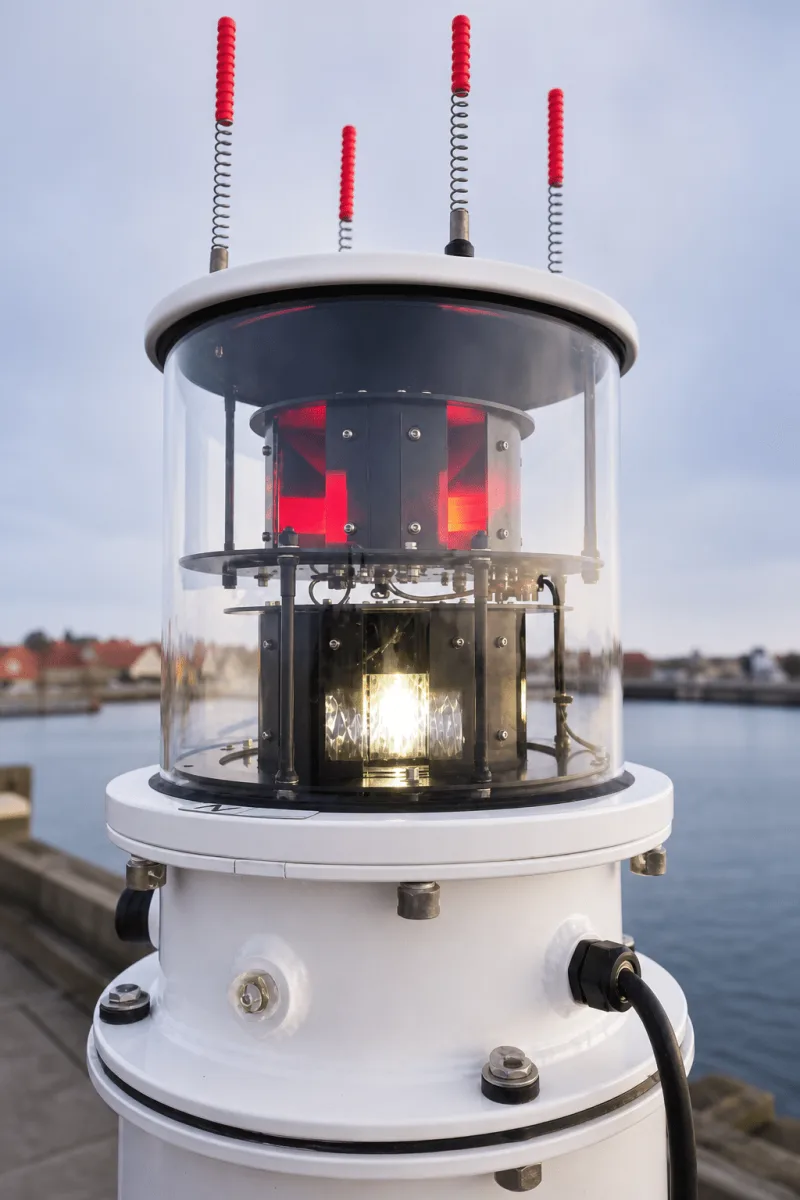
MSM manufactures the MBL 400S LED sector light with independently adjustable sector light levels. Its published nominal range is up to 12 NM at T=0.74.
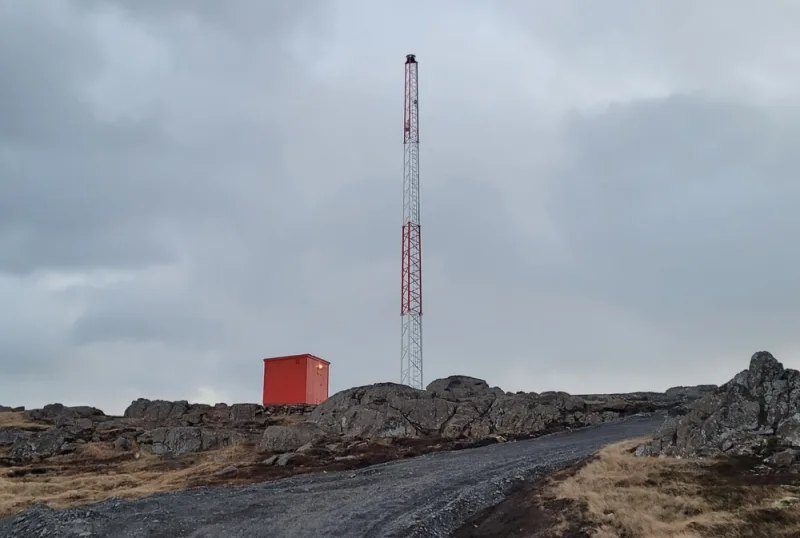
Vikingegaarden installed the Sabik ODSL HI sector light at Gjögur Lighthouse in Iceland. The documented installation uses a 24 m mast and reports a range up to 14 NM; these are reference-project values.
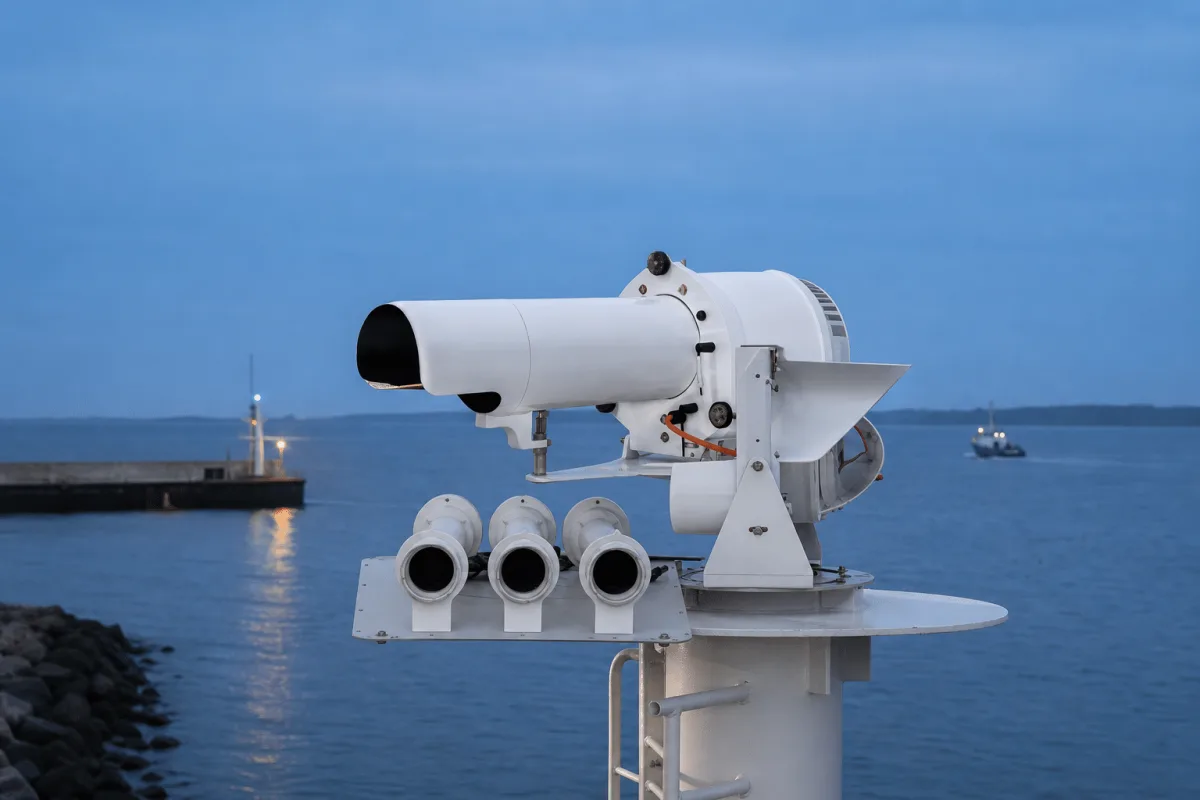
The TSL-100 is a projector-type port entry light with published luminous intensity up to 600,000 cd. The optical configuration is selected for the required approach coverage.
The MEL250L and MEL500L are precision port entry lights from MSM. Published boundary accuracy is better than 0.05°, with an oscillating boundary option.
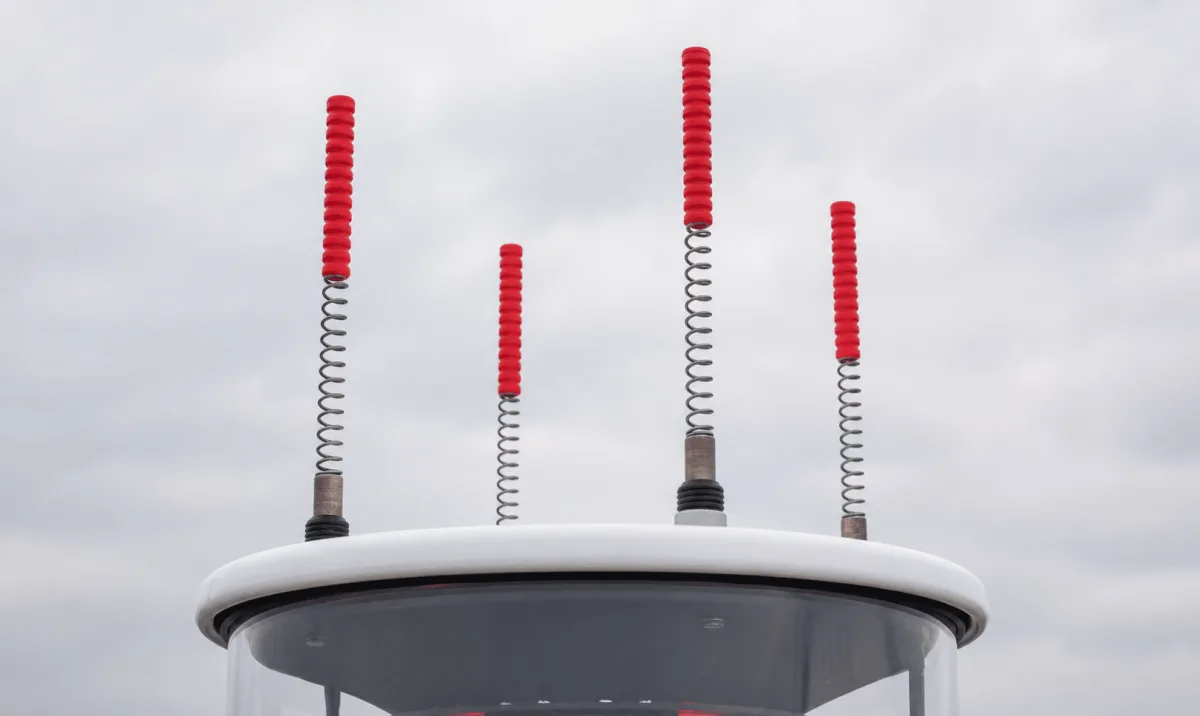
Equipment photographs
Technical questions
The marking plan establishes the colour and bearing of each sector boundary. Red, white and green sectors must be interpreted using the published arrangement for the site.
The MBL 400S is published at up to 12 NM at T=0.74. Other models require confirmation by colour and optical configuration; the Gjögur ODSL HI figure is a reported project value.
The electrical design includes light output, operating character and required backup autonomy. Emiko status and alarm functions are confirmed for the selected equipment and interface.
The enquiry requires surveyed sector bearings, colours, nominal range, mounting height and available power. The responsible authority should identify the marking and acceptance requirements.
Technical enquiries and project specifications
Contact VikingegaardenExplore
Tinnetvej 70, 7173 Vonge, Denmark