Internal backup battery
The built-in battery is intended to maintain the connected load during a power interruption. Required autonomy is calculated for the load and battery configuration.
Green Harbor Technology · Remote equipment power
Battery and solar power for remote marine equipment.
Supply remote navigation lights and sensors with an internal battery and optional solar charging. PowerGuard combines power backup with GSM monitoring, GPS and alarms, with autonomy sized for the connected load and location.
Key features
A power supply layer for equipment that has to keep working where there is no mains connection.
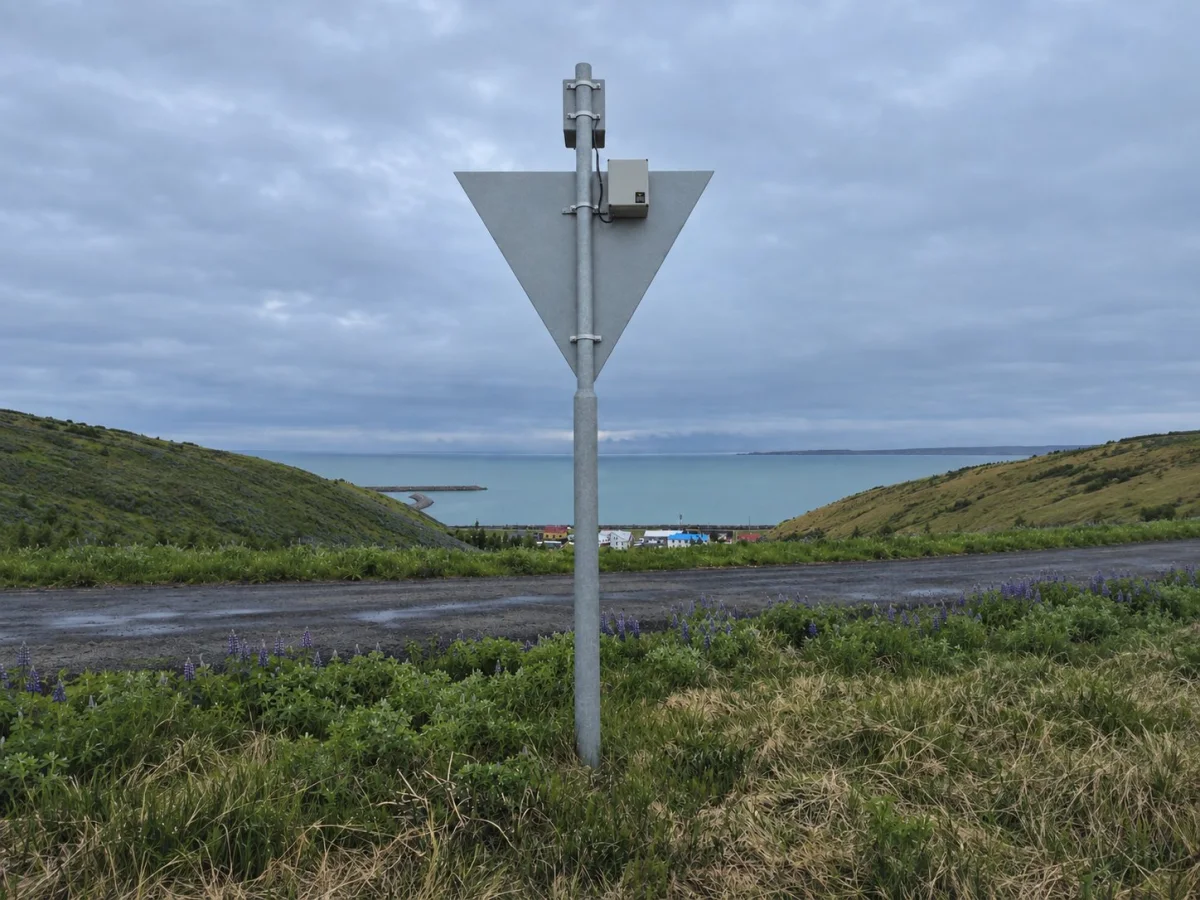
The built-in battery is intended to maintain the connected load during a power interruption. Required autonomy is calculated for the load and battery configuration.
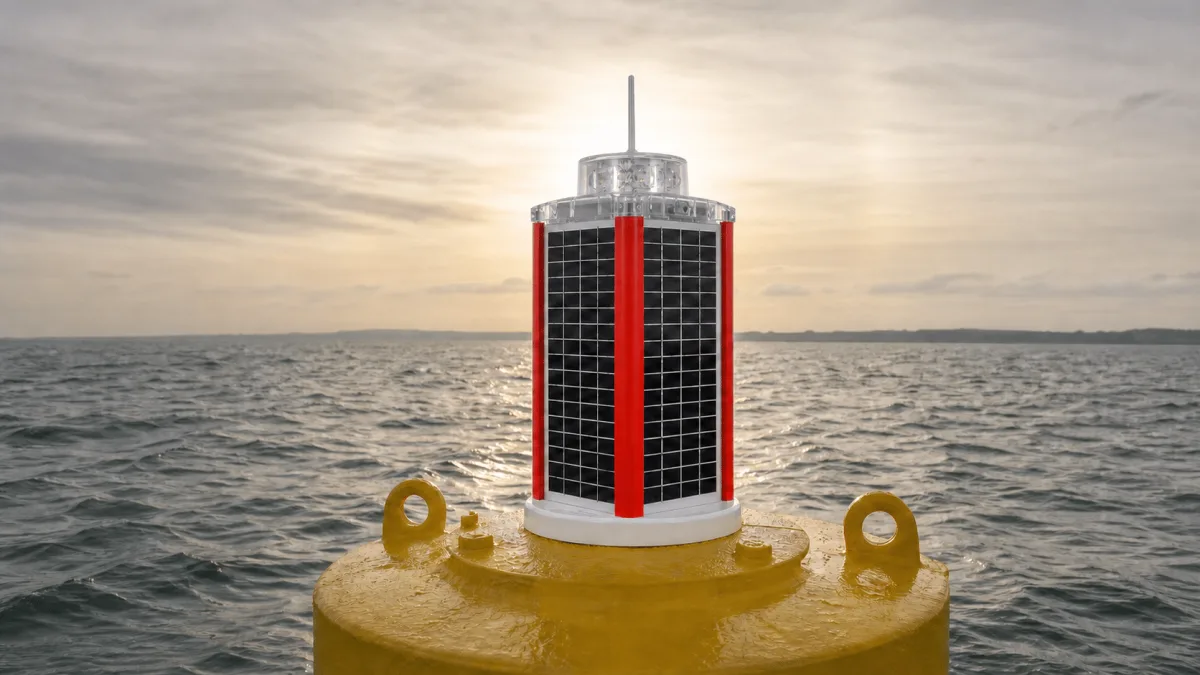
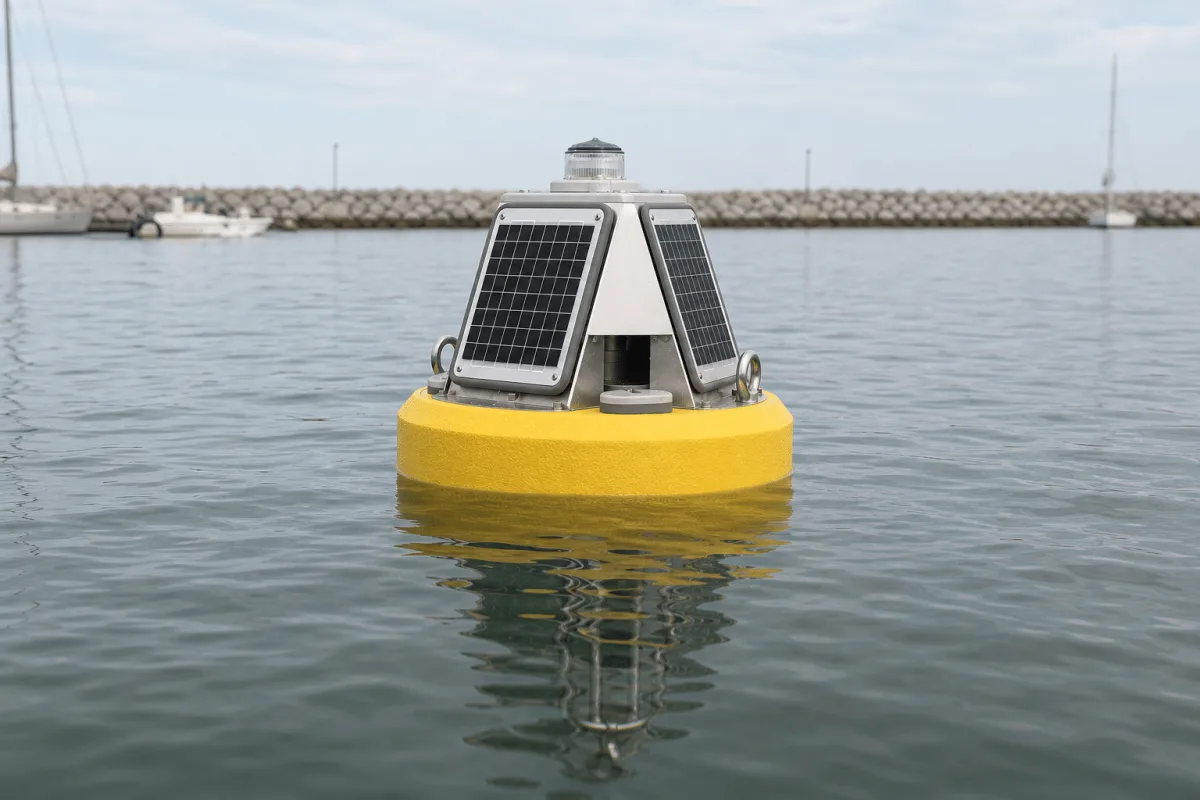
Optional solar panel integration charges the battery at remote sites. The panel and charging arrangement are selected for the load and local solar conditions.
A solar and battery configuration can supply remote locations where a grid connection is unavailable. Load and autonomy are calculated for the site.
The documented battery autonomy is more than 24 hours without sunlight. The required duration is checked against the connected load and selected battery configuration.
GSM and GPS monitoring give real time tracking, remote control and location awareness of the powered equipment, from anywhere.
The system alerts users during power outages and other critical conditions, so a fault is handled quickly instead of being discovered on a site visit.
Battery and solar requirements are calculated from equipment consumption, seasonal solar conditions and the required duration without charging.
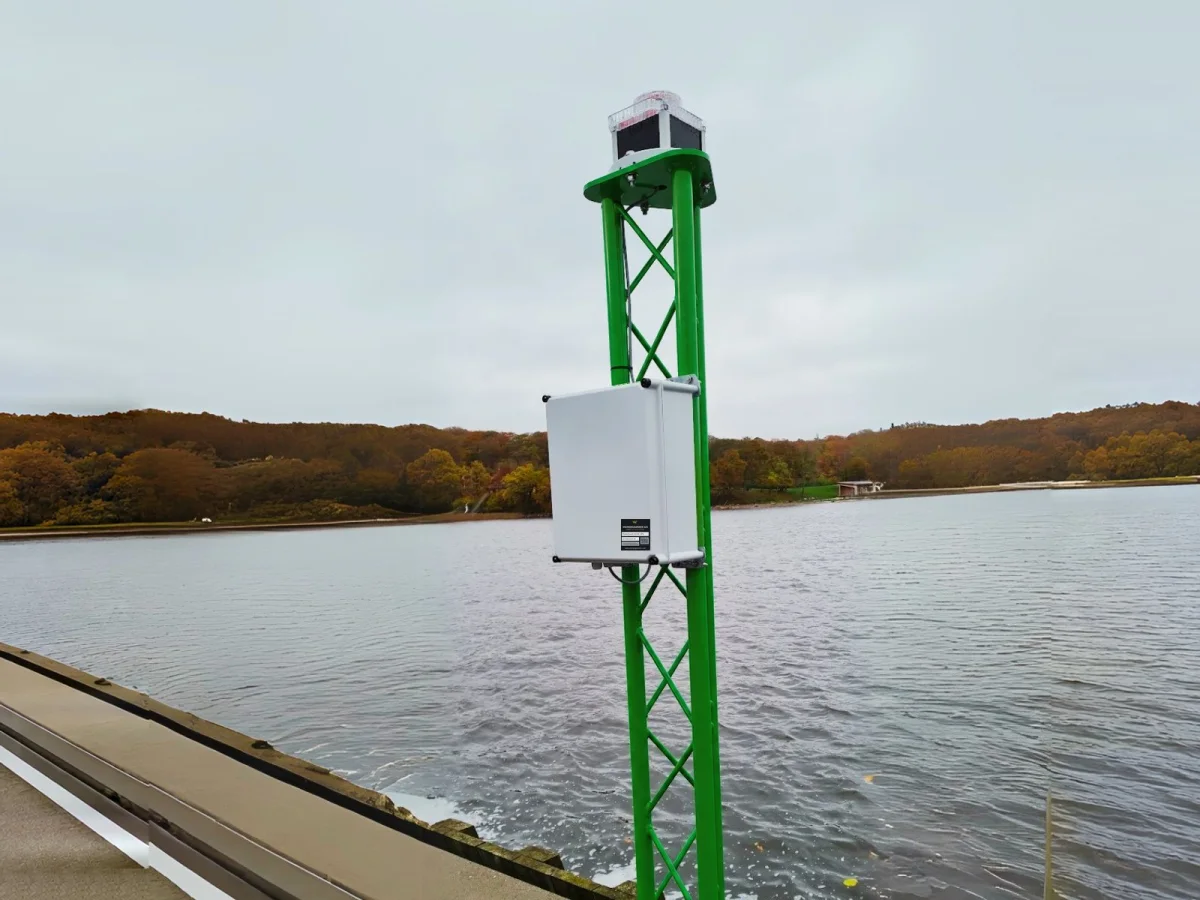
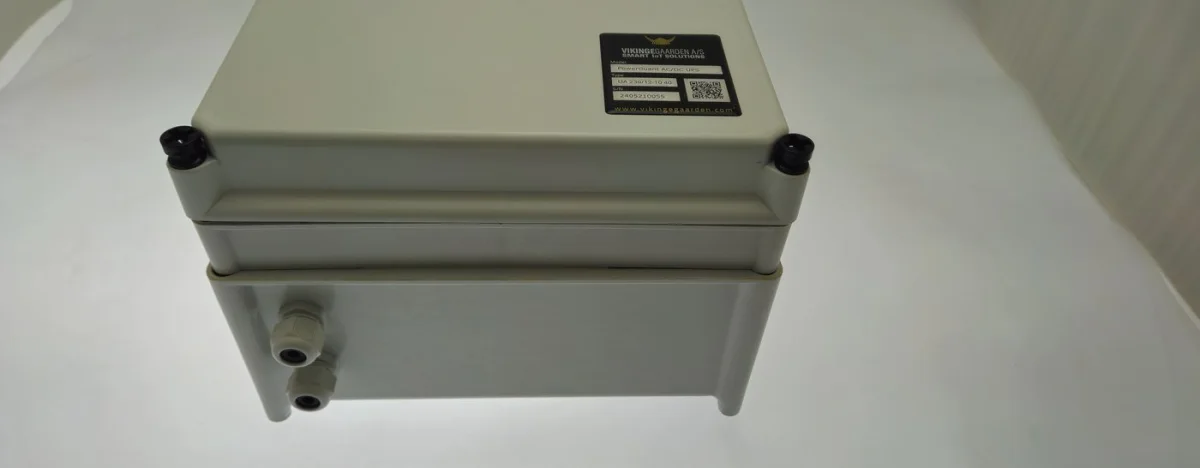
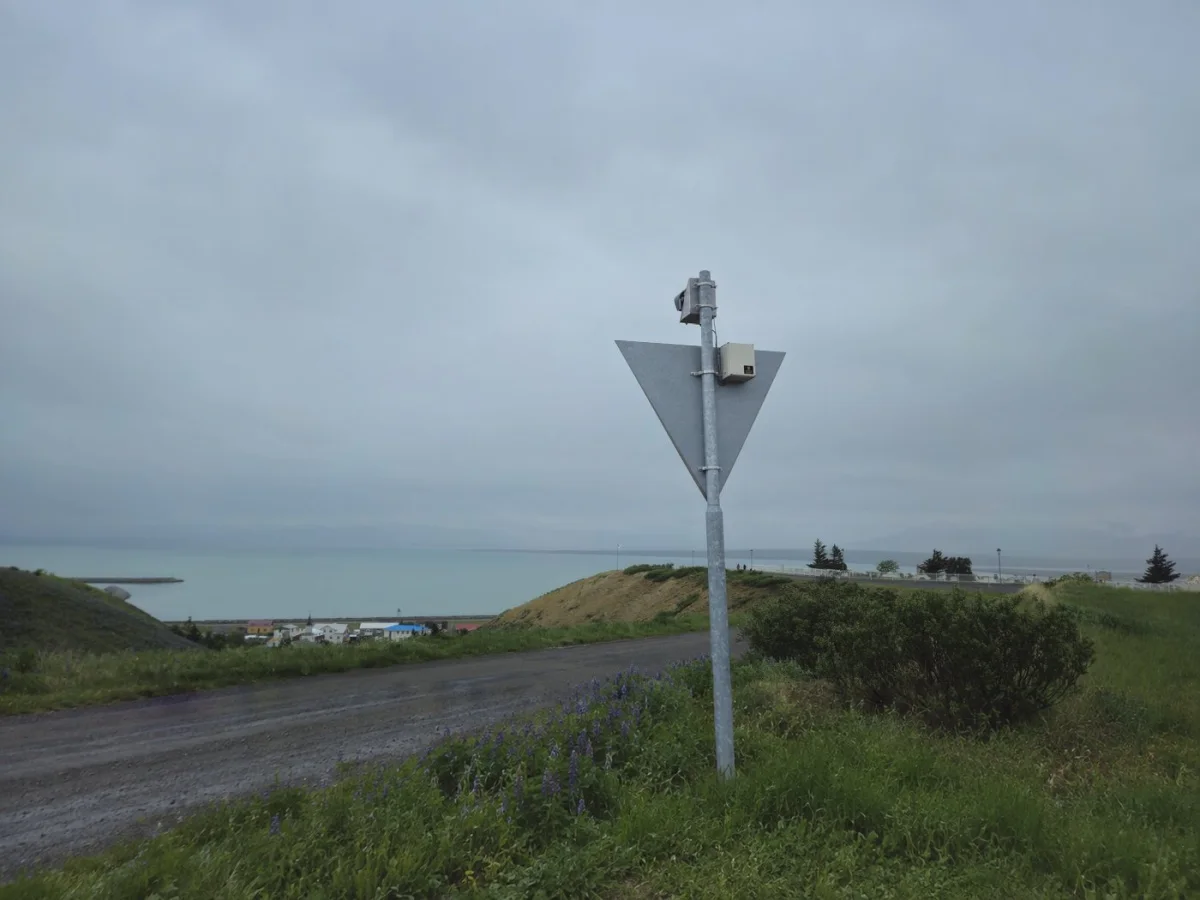
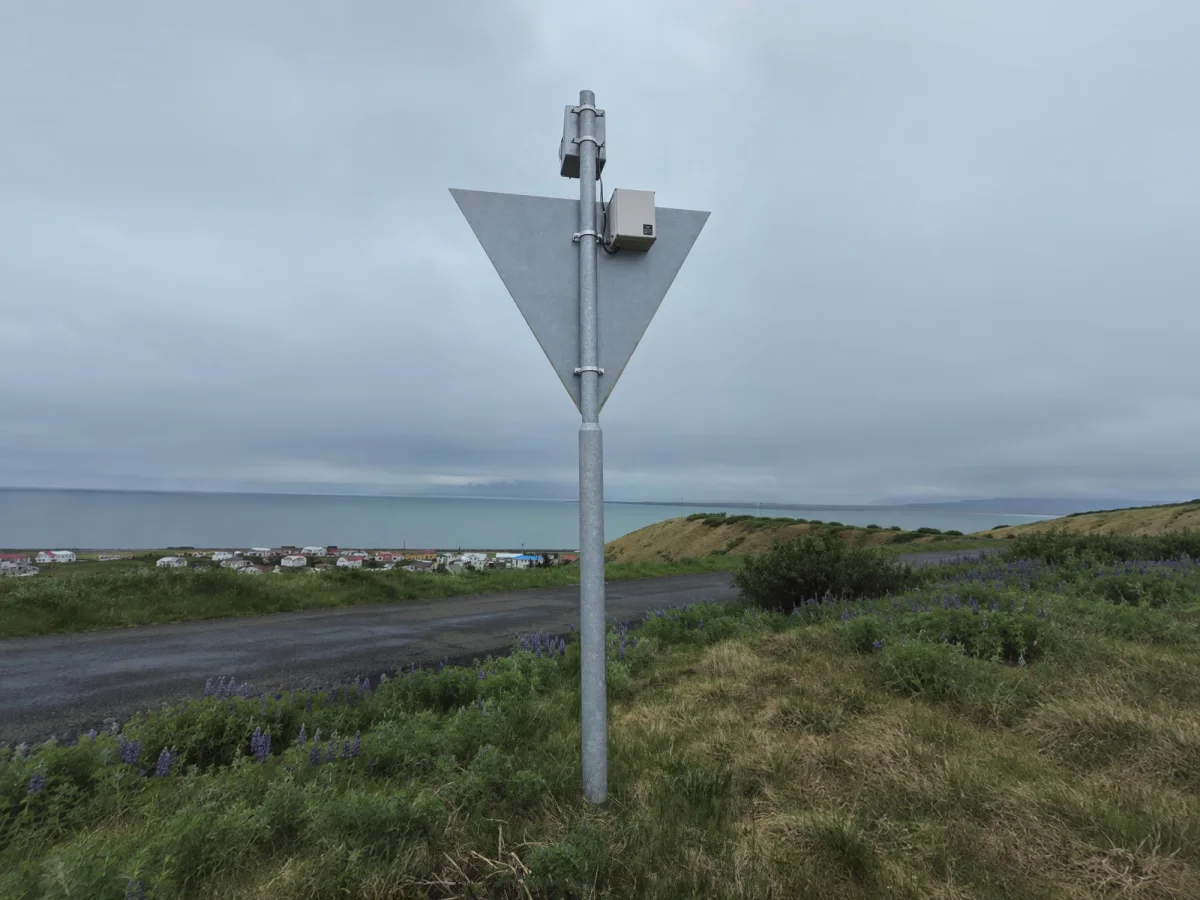
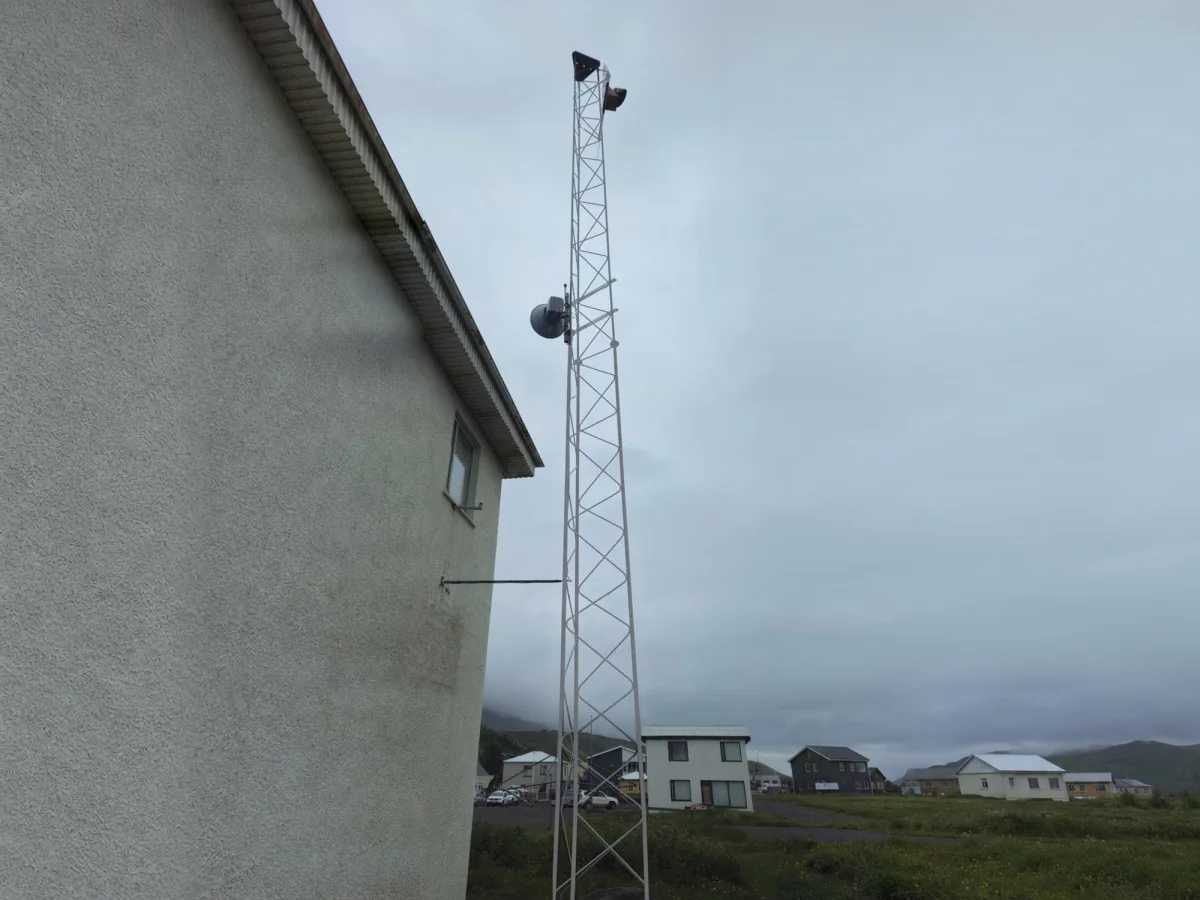
A compact white weatherproof enclosure that clamps to a mast or structure and powers the navigation lantern, day mark or sensor above it.
How it works
The battery supplies the equipment, optional solar charging replenishes it, and remote monitoring reports status and alarms.
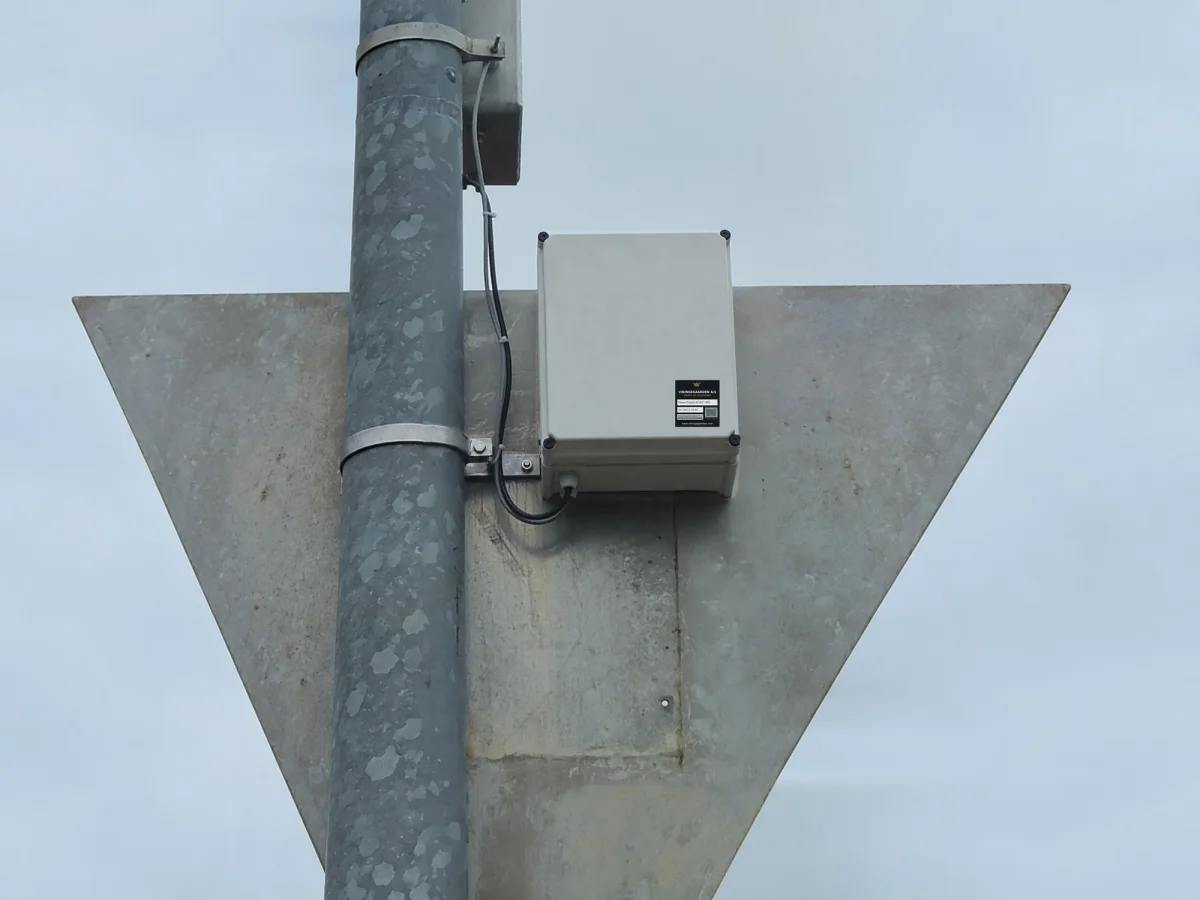
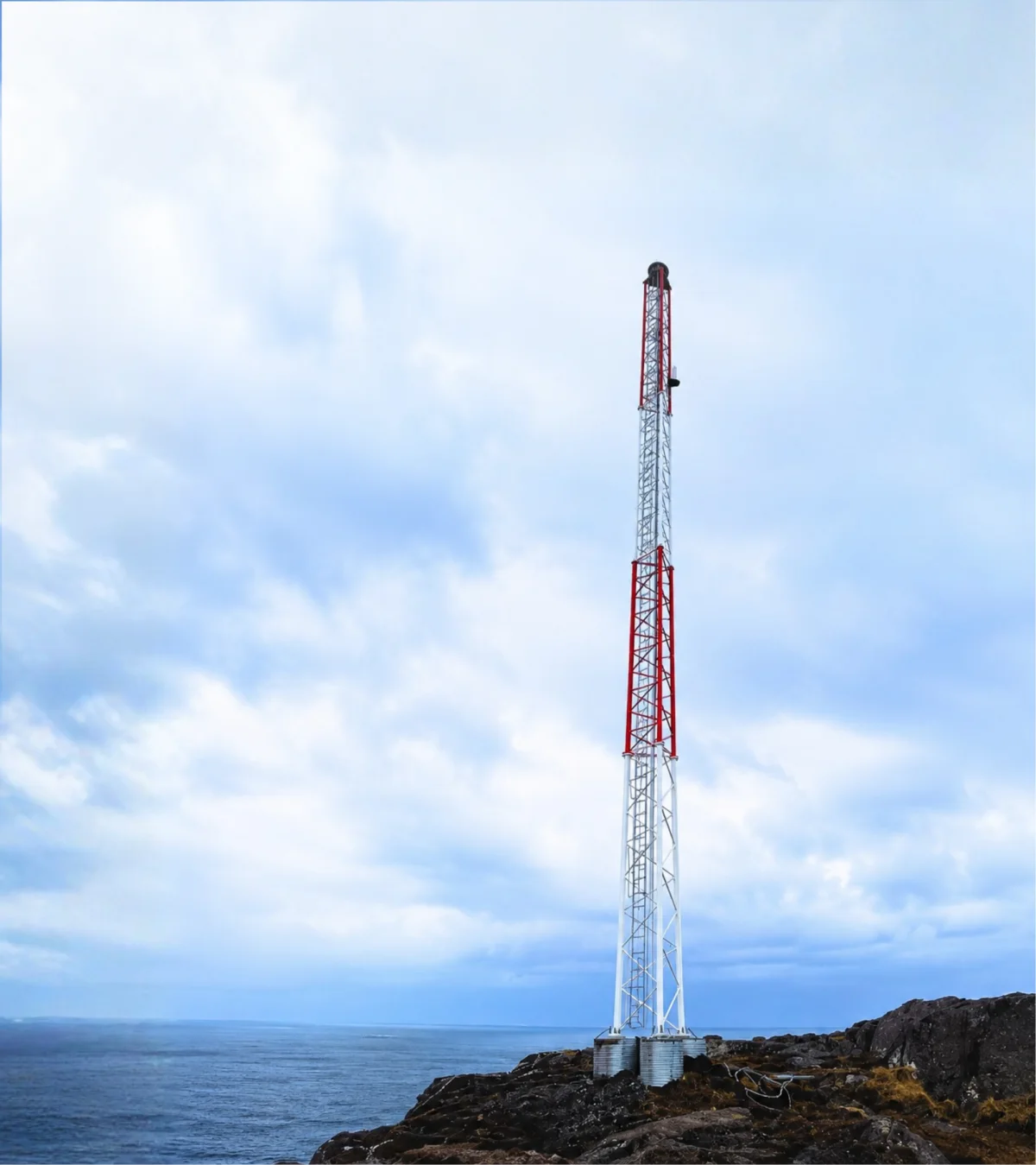
PowerGuard is the power supply behind other unattended equipment rather than a standalone sensor or display product. In a typical installation, a solar panel and the equipment sit at the top of a mast at the water's edge, and the PowerGuard enclosure is clamped partway down the mast with a short cable run up to the lantern it powers.
The solar panel charges the internal battery, the battery carries the load when there is no sunlight, and GSM and GPS monitoring report status, position and alarms.
Mount the PowerGuard enclosure on the mast or structure and connect the equipment
Connect the solar panel where included in the specified power configuration
The internal battery supplies the connected load when solar charging is unavailable
GSM and GPS report status, position and remote control from anywhere
Alarms are raised during outages and critical conditions so you can respond quickly
Ecosystem
PowerGuard is the off grid power layer for the navigation lanterns, day marks and monitoring sensors Vikingegaarden installs in remote places.
Where there is no mains connection, PowerGuard supplies the equipment and its GSM and GPS link keeps the operator informed. It sits alongside Vikingegaarden's aids to navigation and monitoring products, and its status and alarms are followed remotely to support planned inspection and service visits.
| Spec | PowerGuard |
|---|---|
| Power sources | Internal battery with optional solar panel integration |
| Battery autonomy | More than 24 hours without sunlight |
| Connectivity | GSM and GPS for monitoring, remote control and location tracking |
| Monitoring | Alarms on power outages and critical conditions |
Product guide
PowerGuard combines an internal battery with optional solar charging for remote navigation lights and monitoring equipment. Load, seasonal solar conditions and service access determine the configuration.
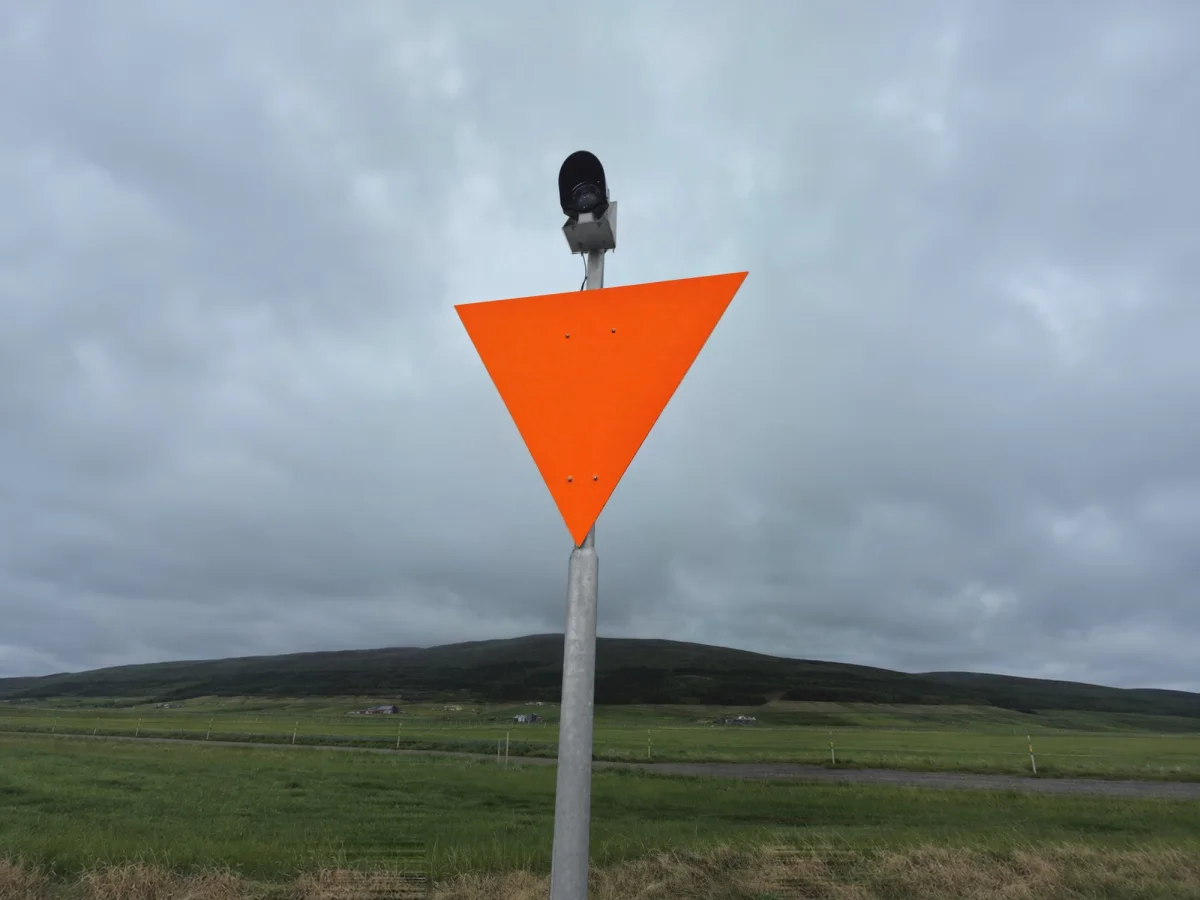
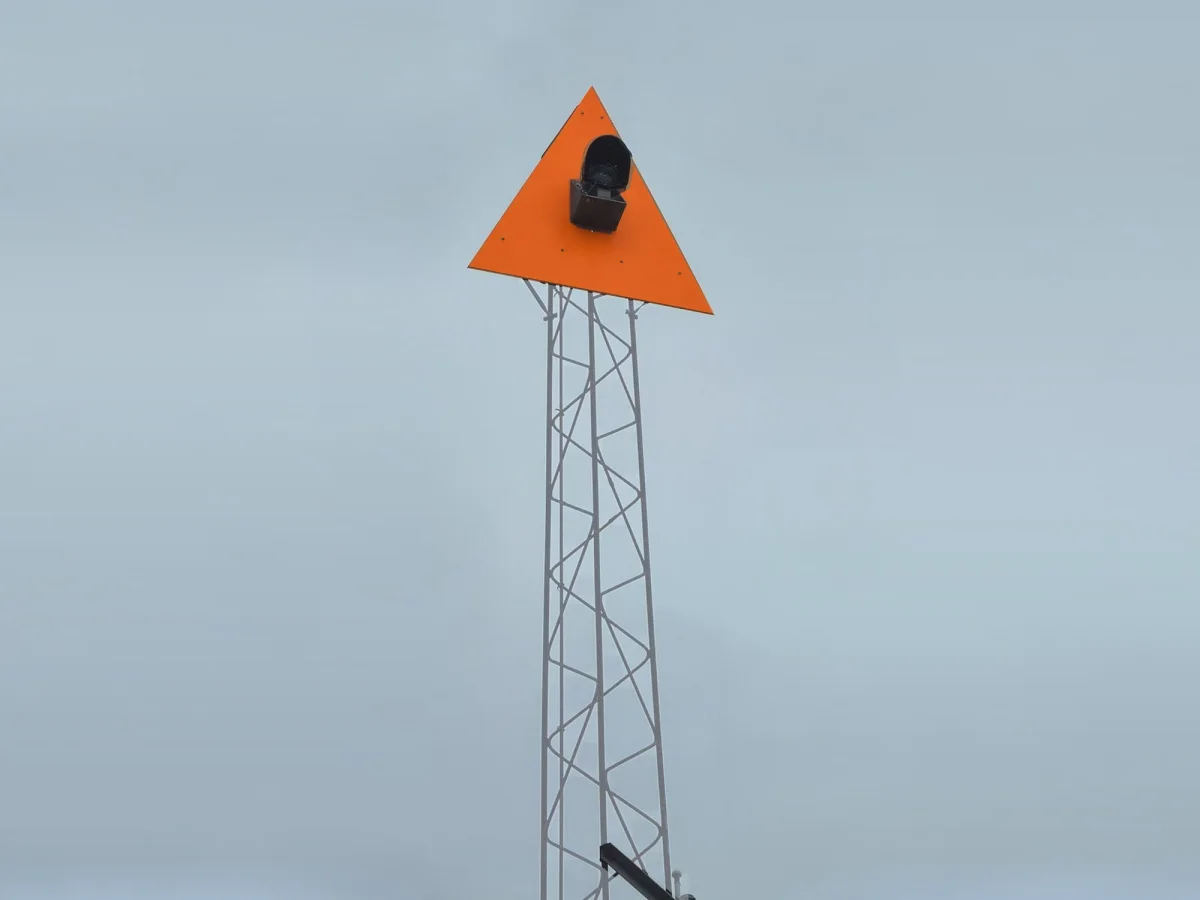
PowerGuard is built for equipment that has to work unattended in places with no power infrastructure: a lantern on a channel marker mast, a day mark at a harbor entrance, a monitoring station on a breakwater or a remote stretch of coast. At sites like these, traditional grid power is unavailable or unreliable, and the cost of a failure is not the electricity, it is the dark navigation light or the silent sensor.
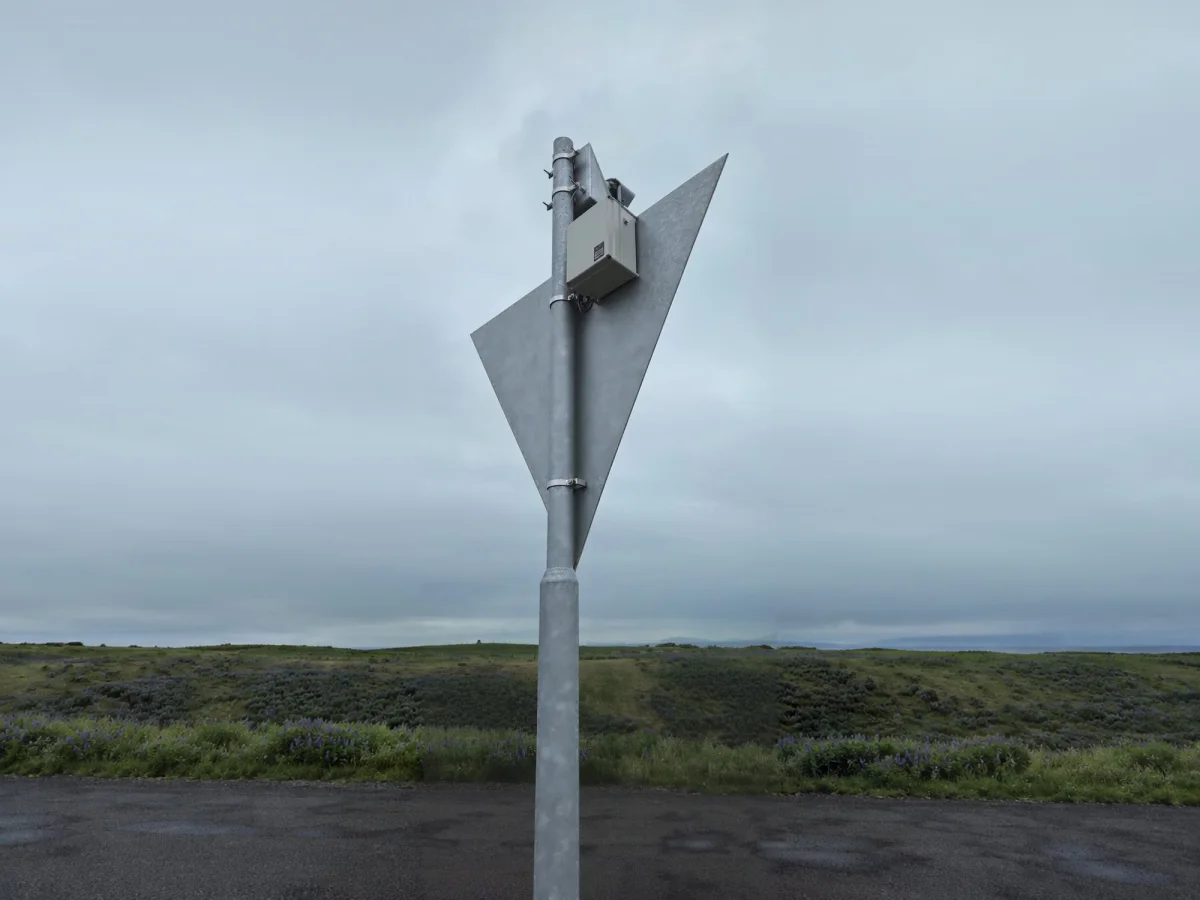
PowerGuard is deliberately the power supply layer behind other equipment rather than a product you look at. On site it is a compact white weatherproof enclosure clamped to a mast or structure, with a short cable run up to the lantern or sensor it powers.
Start with the equipment load, the solar conditions across the year and the time the equipment must operate without charging. PowerGuard has documented battery autonomy of more than 24 hours, but the required duration is calculated for the selected load and battery configuration.
Nordic winter conditions are part of that assessment. Provide the installation location and operating pattern so Vikingegaarden can size the power configuration and agree the inspection and service plan.
A typical installation is simple by design. The solar panel and the powered equipment sit at the top of a mast at the water's edge, and the PowerGuard enclosure is clamped partway down the same mast. Mount the enclosure, connect the equipment, connect the panel, and the system takes over: sun charges the battery by day, the battery carries the load at night and in bad weather.
A solar and battery configuration can avoid extending a mains connection to a remote site. Local cables still connect the battery enclosure, solar panel and powered equipment, and mounting is specified for the structure.
GSM and GPS provide remote status, control and location information. PowerGuard alerts users to outages and other critical conditions so staff can assess the issue.
Remote records support planned inspections and service visits. They do not replace the maintenance schedule for the battery, solar panel or connected navigation equipment.
A remote solar configuration can avoid the cost of extending a grid connection to the site. The actual comparison depends on the cable route, civil work, connected load, inspection intervals, battery replacement and solar conditions.
Solar power has no combustion exhaust at the point of use, but whole-life environmental claims require evidence for panels, batteries, transport and replacement. The project calculation therefore focuses on load, required autonomy, available solar energy and service access.
Gallery
Illustrative views of the product and its waterfront setting.
Good to know
PowerGuard is a power module for remote navigation lights and monitoring equipment. It combines an internal battery, optional solar panel integration, GSM monitoring, GPS and alarms. The configuration is sized for the equipment and location.
Yes. PowerGuard supports grid free operation and is ideal for remote areas where traditional power infrastructure is either unavailable or unreliable. It runs on solar power with the internal battery as backup.
The documented battery autonomy is more than 24 hours. The duration required at your site is checked against the connected load, battery configuration and seasonal charging conditions.
PowerGuard includes GSM and GPS monitoring for real time tracking and remote control, giving users the flexibility to manage their power system and see where the equipment is from anywhere.
PowerGuard is equipped with an alarm system that alerts users during power outages or other critical conditions, enabling them to respond quickly to system changes or potential issues rather than discovering them on a site visit.
PowerGuard is the power supply layer behind unattended equipment such as navigation lights, day marks and monitoring stations. Battery capacity and solar panel wattage options are not published on this page, so contact us with your load and location for sizing.
Solar panel integration is optional. The battery and charging arrangement are specified around the available power source, connected load and required autonomy. For a site without mains power, solar conditions are included in that assessment.
On masts and structures at the water's edge: channel marker masts, harbor entrances, breakwaters and other remote spots without power infrastructure. The white weatherproof enclosure clamps to the mast, with a short cable run up to the lantern or sensor it powers.
Have a question about your project?
Talk to our teamExplore
Let’s talk about your project
Tell us what equipment you need to power, where it stands and how far it is from the grid. We help with sizing, solar integration and monitoring.
Tinnetvej 70, 7173 Vonge, Denmark