Specified service life
The project specification confirms service-life assumptions for the selected structure, materials, exposure and maintenance plan.
Green Harbor Technology · Floating structures
Concrete pontoons for marina and harbor infrastructure.
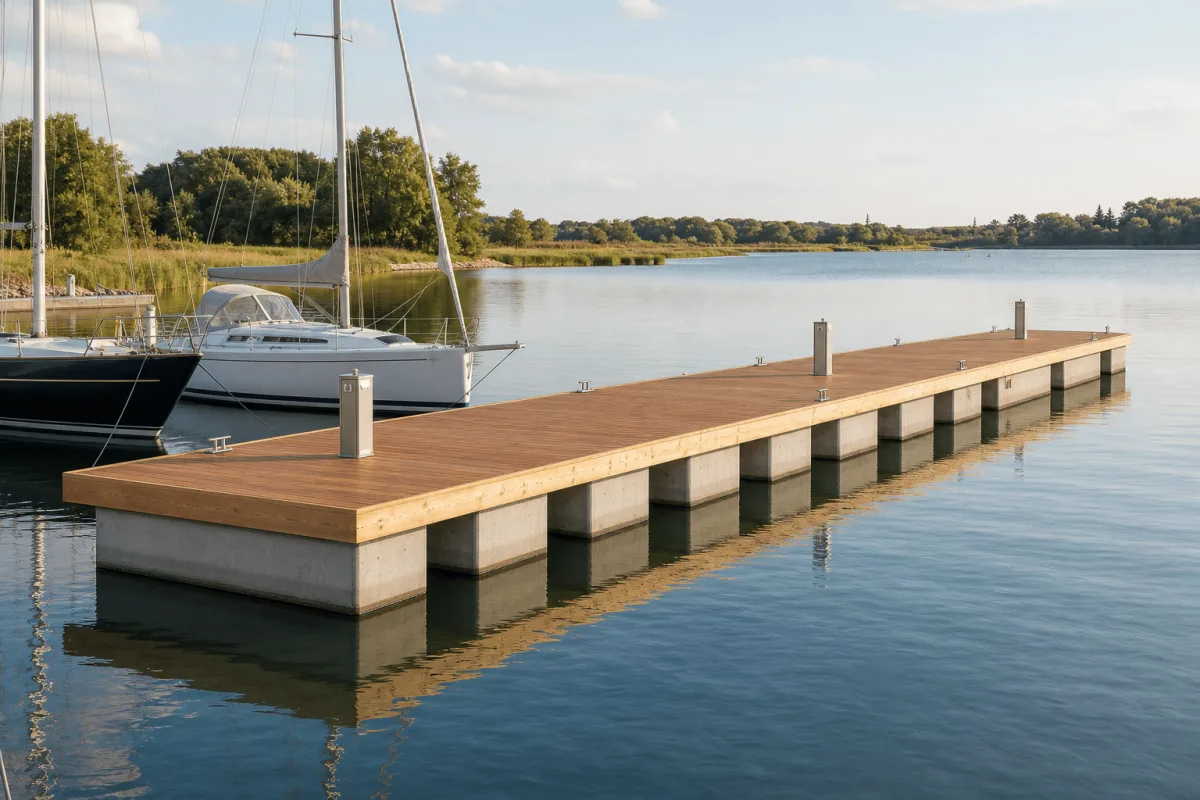
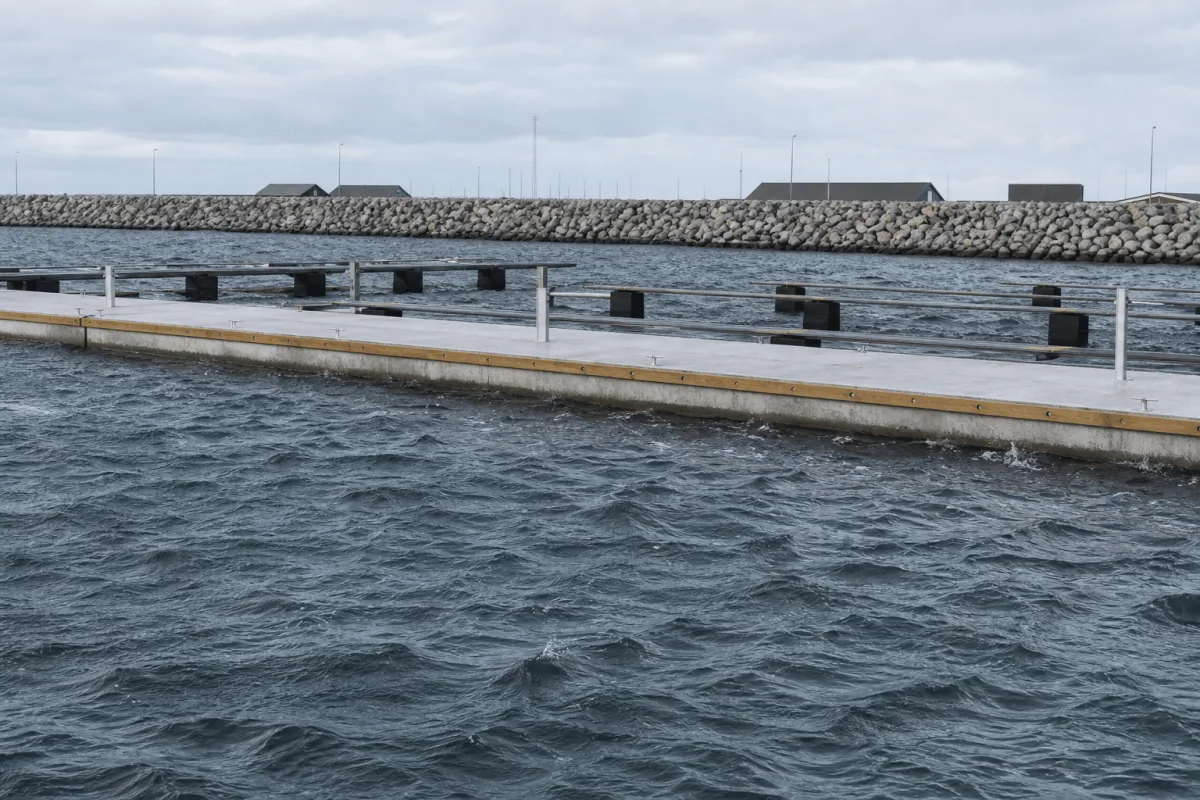
Reinforced concrete pontoons with a cellular plastic core for marina piers, floating bridges and other waterfront structures. Layout, loading and mooring are specified for the site.
Key features
Reinforced concrete construction, cellular core buoyancy and a layout planned around the site.
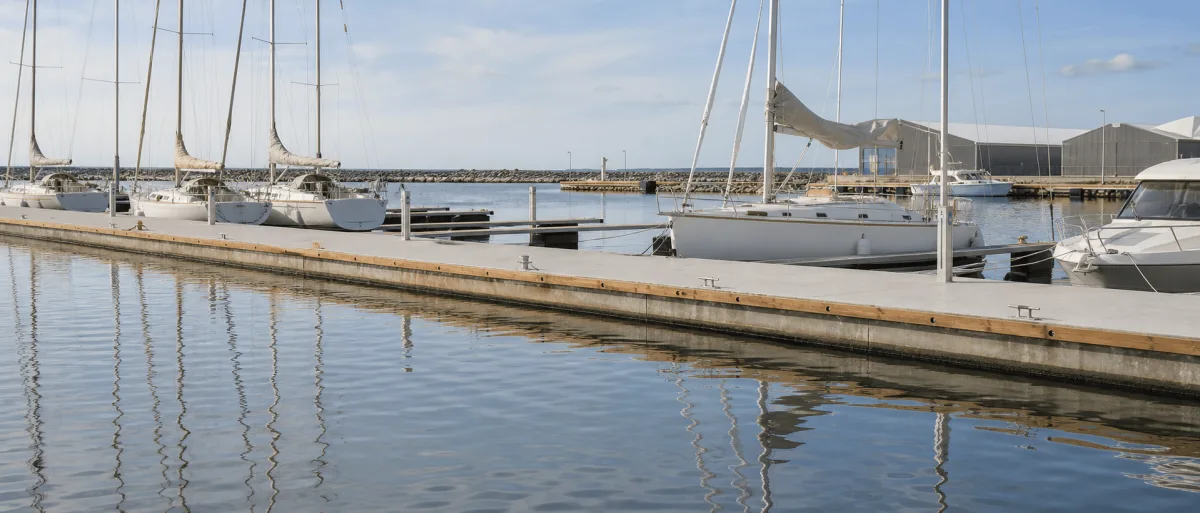
The project specification confirms service-life assumptions for the selected structure, materials, exposure and maintenance plan.
Inspection, cleaning and any required repairs are included in the service plan for the structure, connections and mooring.
Concrete, reinforcement, core material, transport, service life and end-of-life treatment are evaluated for the selected system and site.
The reinforced shell and cellular plastic core form a floating platform. Loading, stability and mooring are assessed for the intended use and water conditions.
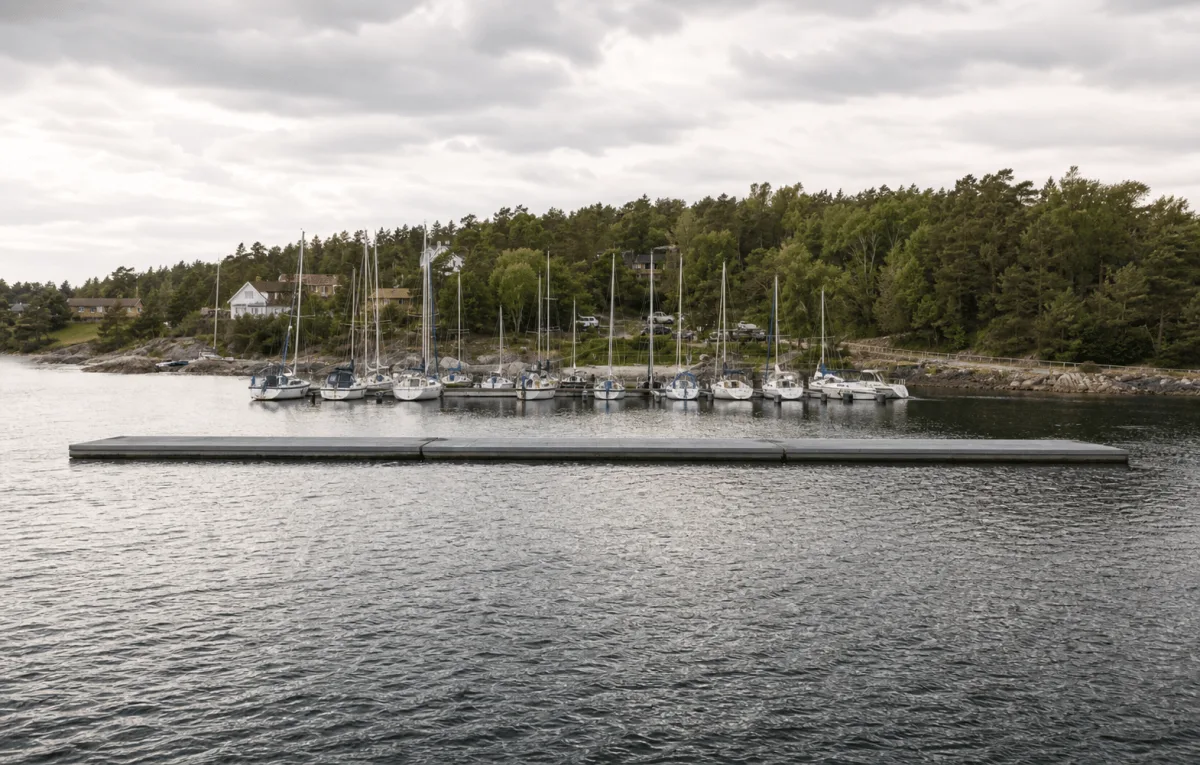
Various sizes, shapes and configurations enable bespoke floating platforms, docks and marinas that align with the needs of a specific project.
Thanks to their robust construction, concrete pontoons have a long operational life and can withstand heavy loads.
From recreational facilities to critical transportation hubs, the pontoons accommodate varying water levels, tidal fluctuations and challenging weather.
Compare the installed structure, mooring, service equipment and maintenance over the planned service life when assessing the project cost.
Applications
Diverse maritime contexts, from leisure to critical infrastructure.
Stable floating moorings and service piers that follow the water level.
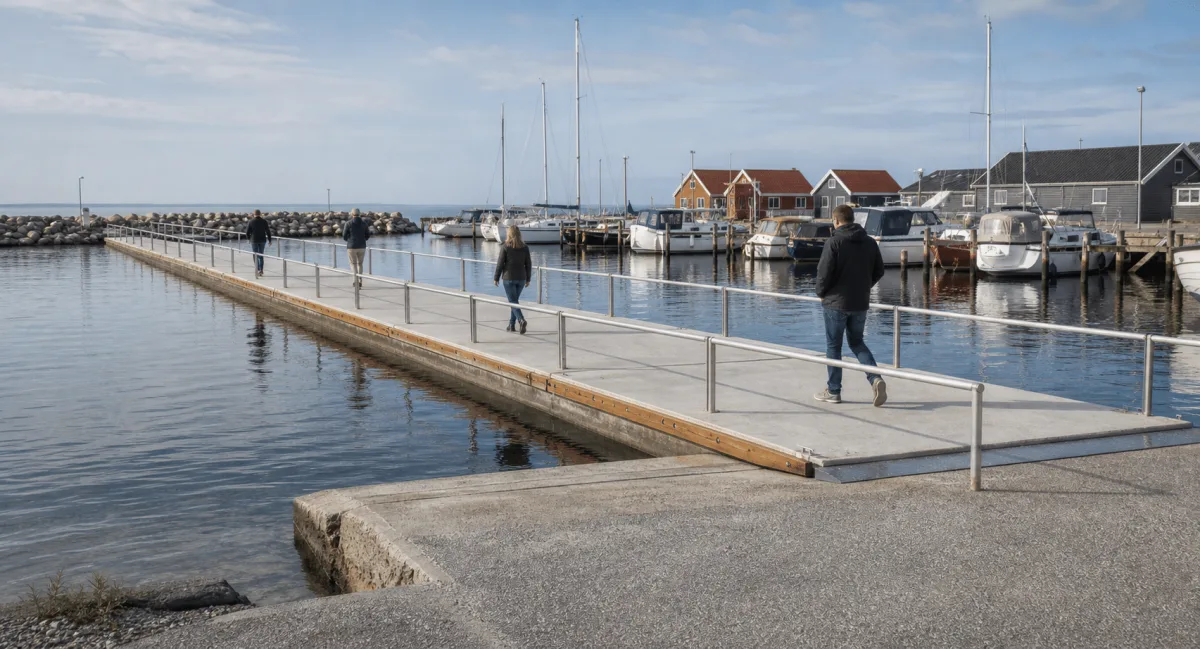
Floating walkways and bridges, with loading and mooring specified for the intended use.
Wave protection where the pontoon structure is specifically assessed for a breakwater role.
Recreational facilities and transportation hubs built on a floating foundation.
How it works
The strength of reinforced concrete and the buoyancy of a cellular plastic core, combined into a floating platform.
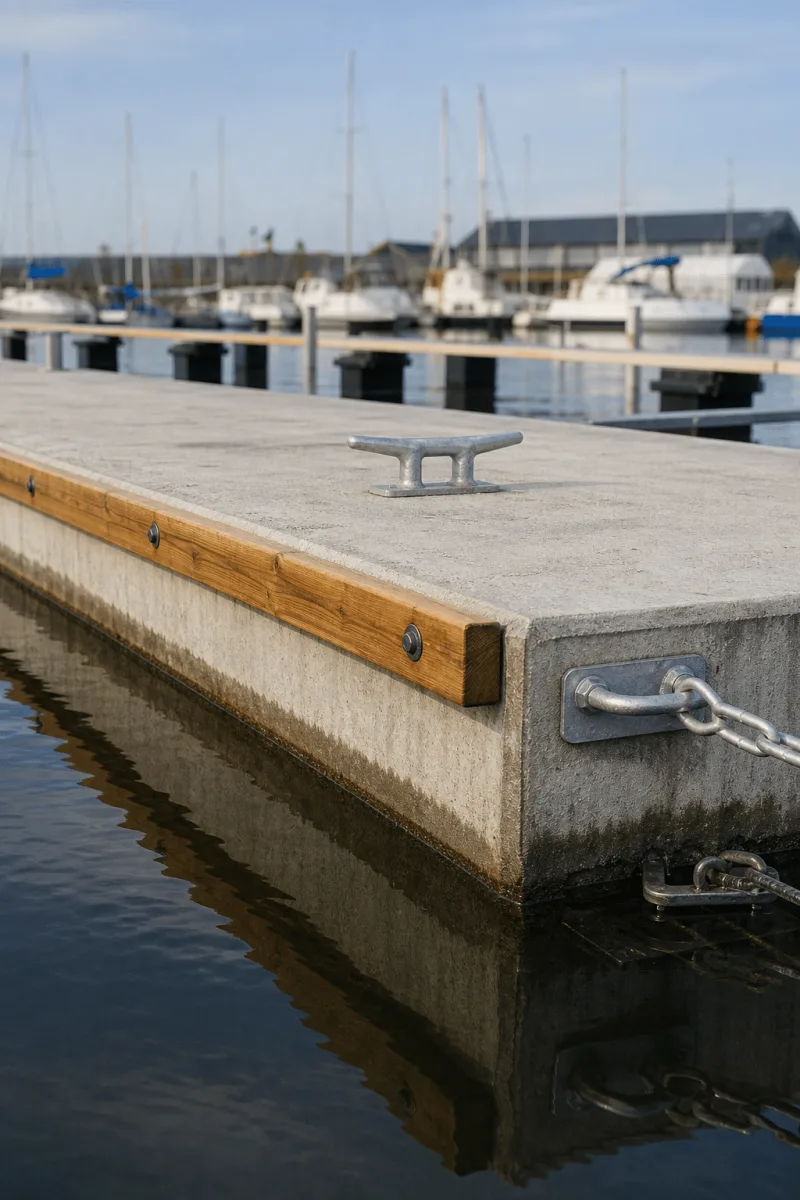
Each pontoon has a reinforced concrete shell around a cellular plastic core, providing buoyancy without a sealed air chamber. The pontoons are made in various sizes, shapes and configurations and are used as the foundation for docks, marinas, floating bridges and breakwaters.
Vikingegaarden helps you plan the layout, the sizes and the anchoring for the site, and delivers pontoons that fit the water levels, tides and weather it must handle.
Reinforced concrete shell around a cellular plastic core
Sized and configured for the project: marina, dock, floating bridge or breakwater
Loading, water levels and environmental conditions are checked for the selected layout
Inspect the structure, connections and mooring and carry out cleaning or repairs as required
Material and environmental documentation confirmed for the selected project
Ecosystem
A pontoon is the foundation. Vikingegaarden also delivers what goes on top of it.
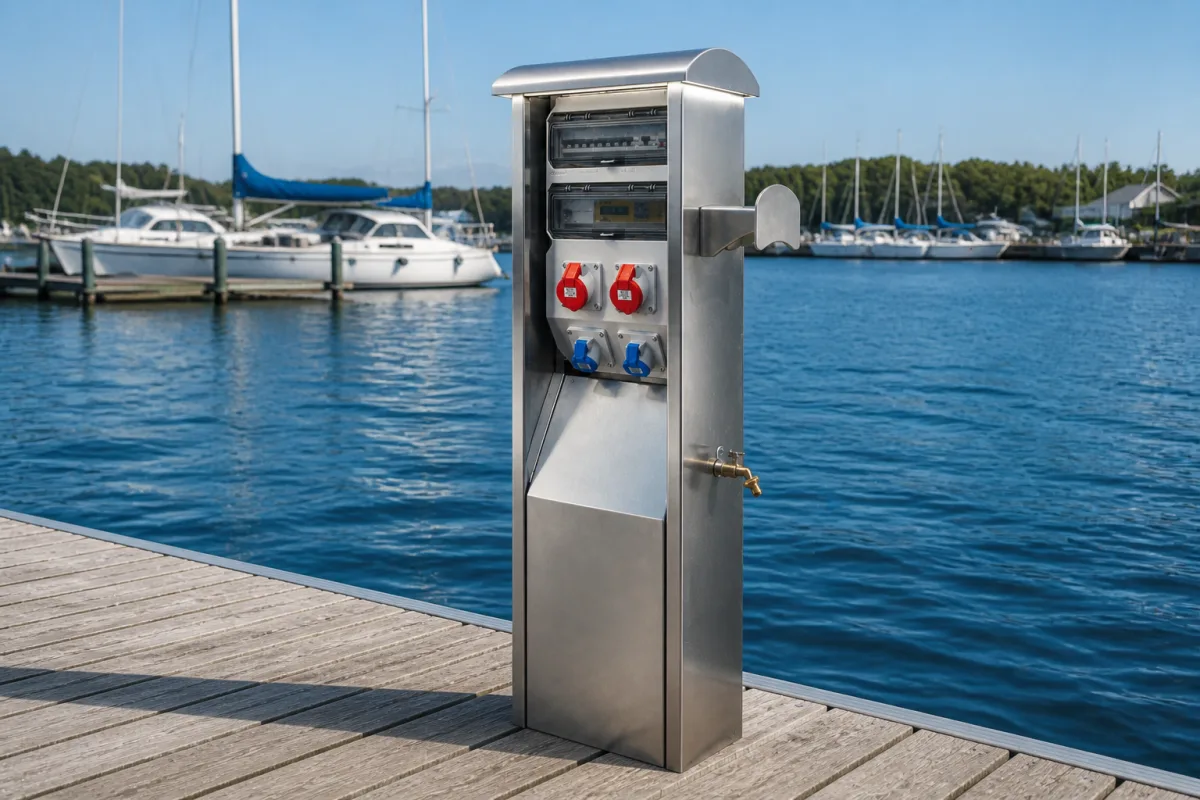
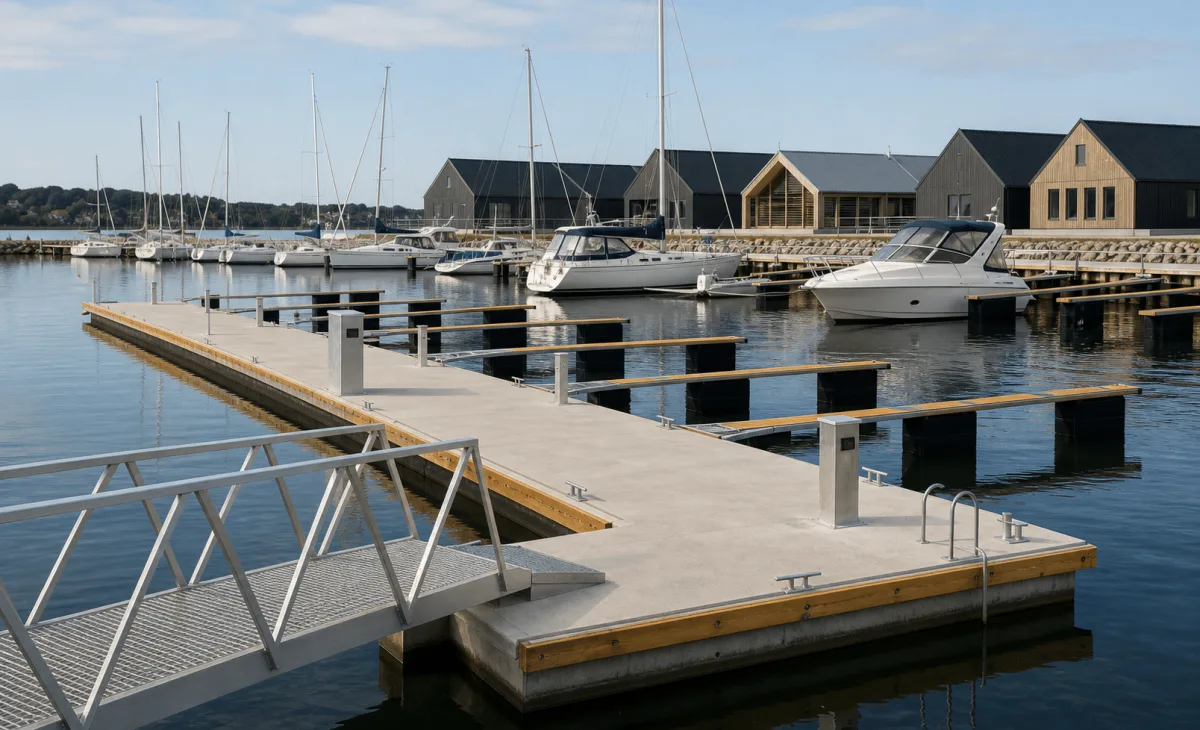
Vikingegaarden plans and delivers concrete pontoons as part of complete floating structures: piers, bridges, breakwaters and swim docks. On the same pontoons we install our own marina equipment, such as Marinella service pedestals for power and water, lighting and access control, with connected service equipment managed on the Emiko platform. One supplier for the floating structure and the services on it keeps the project simple and the interfaces clean.
Product guide
Choose concrete pontoons around the intended use, water conditions, loads and service equipment. The structure and its mooring are designed together.
Concrete pontoons are used for marina and harbor piers, floating bridges, walkways and recreational platforms. The reinforced shell and cellular core provide a floating structure that follows changes in water level.
Each application sets different requirements for loading, stability and mooring. For an exposed location requiring wave protection, assess a floating breakwater design for that purpose.
There is no single standard pontoon for every site, and Vikingegaarden deliberately publishes no one size fits all specification sheet. The pontoons are made in various sizes, shapes and configurations, and the right combination follows from the site: how exposed it is, how much the water level moves, what the structure must carry, and whether it will serve as a pier, a floating bridge, a breakwater or a platform.
Dimensioning is therefore a dialogue rather than a catalogue lookup. Vikingegaarden helps plan the layout, the element sizes and the anchoring for the specific location, and delivers pontoons that fit the water levels, tides and weather they must handle. Heavier duties, such as a floating bridge on a transport route or a breakwater on an exposed side, simply lead to a different configuration than a sheltered marina pier.
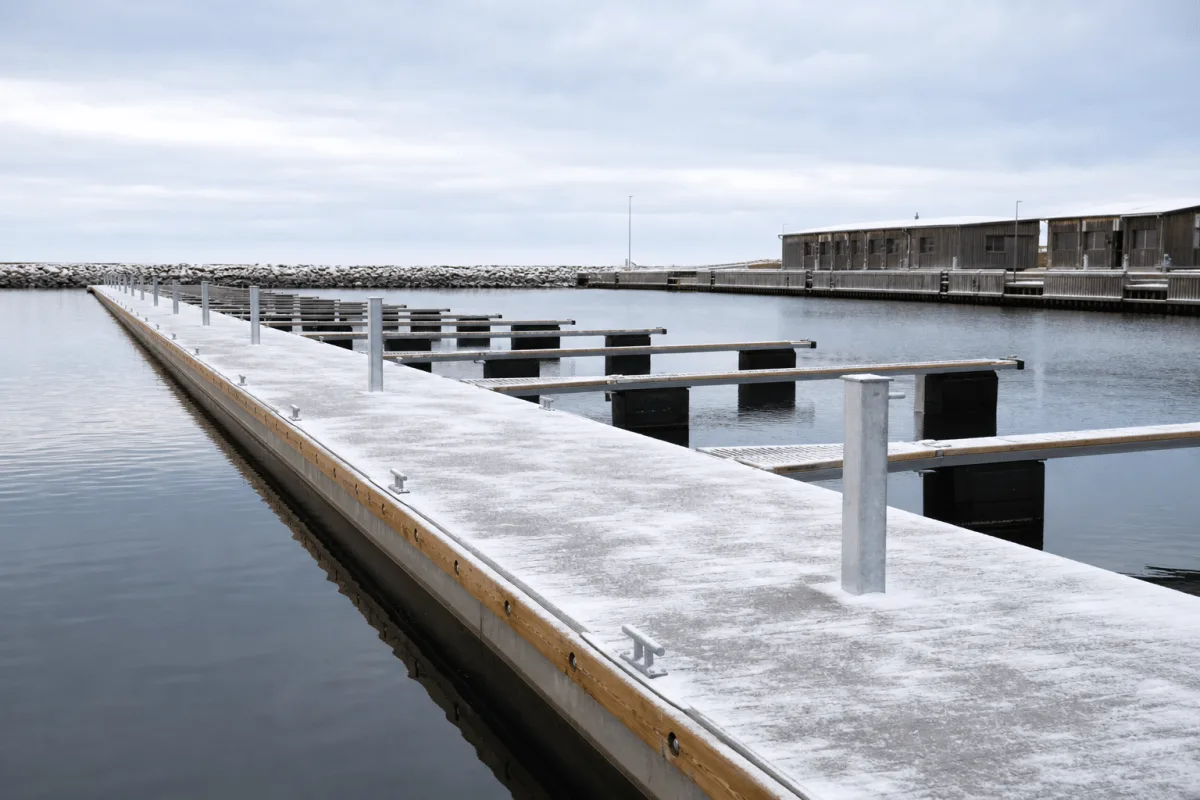
Each element is a reinforced concrete shell cast around a cellular plastic core. The concrete provides mass and structural strength; the core provides buoyancy without relying on a sealed air chamber. Element dimensions, reinforcement, load and service-life assumptions are part of the project design.
Environmental impact cannot be inferred from the word concrete alone. It depends on material quantities, production, transport, anchoring, service life, maintenance and end-of-life treatment. Request the available declarations and project-specific material information when environmental criteria form part of procurement.
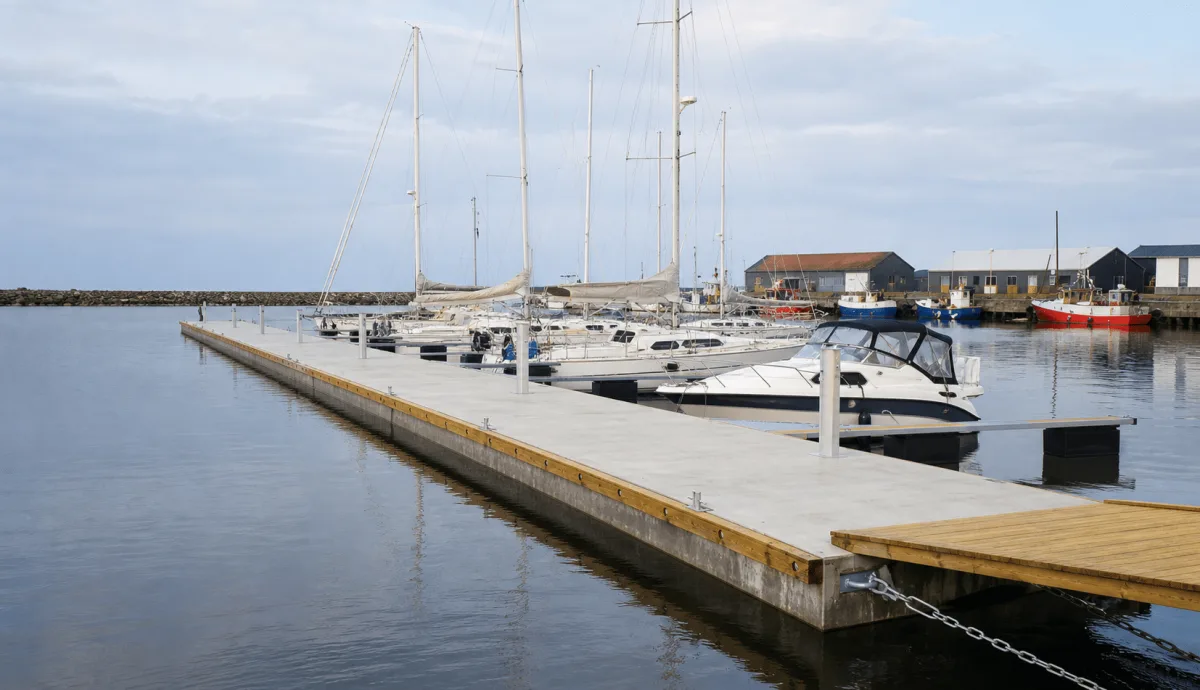
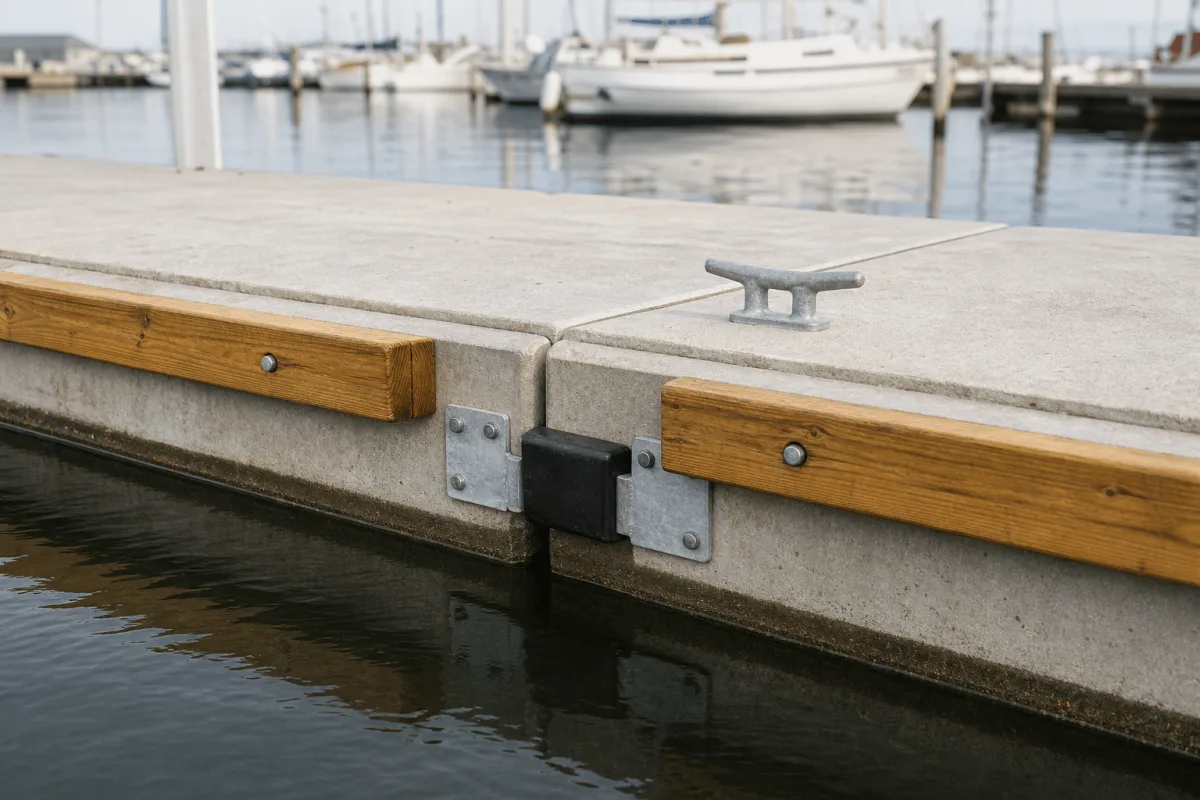
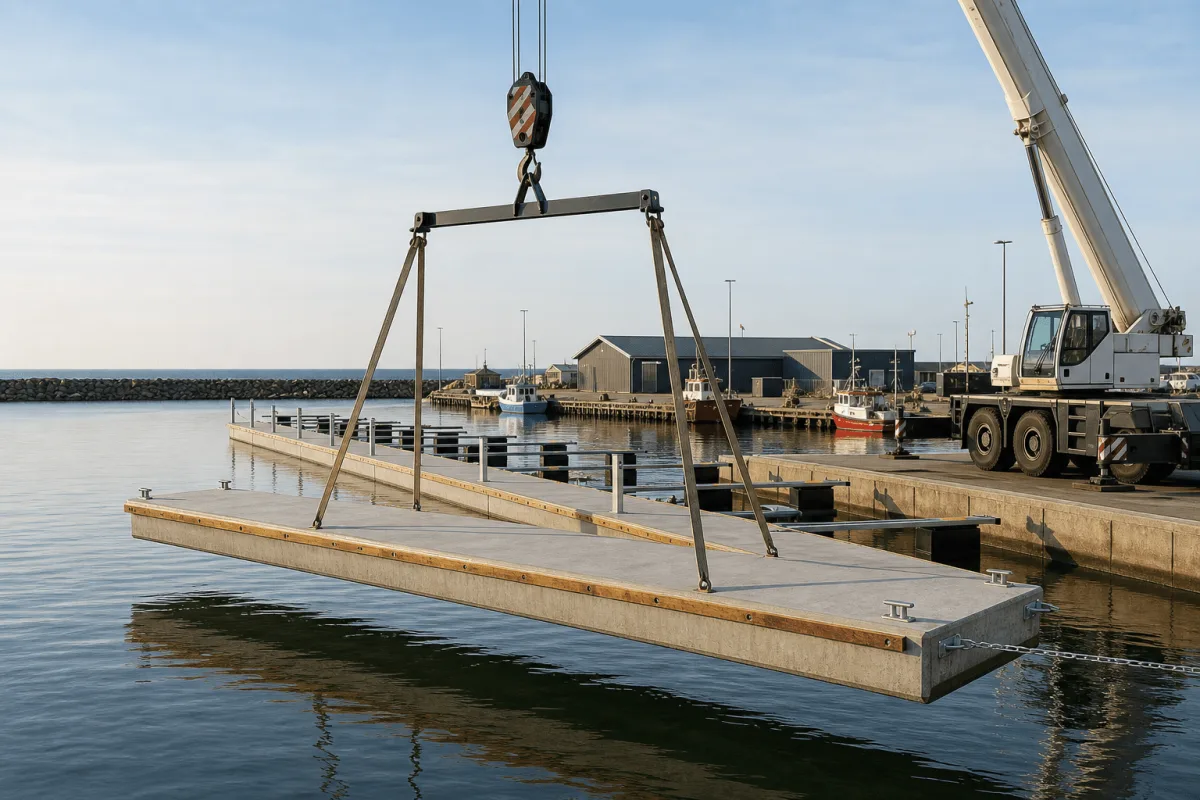
Elements are lifted into the water, joined into the specified layout and anchored for the site. Fender rails, cleats, gangways and service equipment are coordinated with the floating structure.
The maintenance plan covers the pontoons, connections and mooring, with inspection, cleaning and repair as required. Service-life assumptions are confirmed for the chosen structure and operating environment.
A pontoon is rarely the whole project. On the same elements, Vikingegaarden installs its own marina equipment: Marinella service pedestals for power and water, lighting and access control, with connected service equipment managed on the Emiko platform. Having one supplier for the floating structure and the services on top of it keeps the interfaces clean, from the anchoring below the waterline to the app the boat owner uses at the mooring.
A closer look
Good to know
Concrete pontoons are floating structures made of reinforced concrete with a cellular plastic core. They serve various purposes in maritime applications, such as docks, marinas, floating bridges and breakwaters, and are designed for challenging environments.
The project specification sets the service-life assumptions for the selected structure, exposure and maintenance plan. Components and service equipment can have different inspection and replacement requirements.
Plan inspection of the structure, connections and mooring, together with cleaning and any repairs required. The maintenance schedule is set for the selected system and operating conditions.
Yes. Concrete pontoons can be customised in size, shape and configuration to meet the specific requirements of different waterfront projects, providing versatility in design for floating platforms, docks and marinas.
Use project-specific evidence: material quantities and declarations, transport, anchoring, expected service life, maintenance and end-of-life options. Vikingegaarden does not treat the product as environmentally harmless without a documented assessment for the selected configuration.
Compare the pontoon structure, mooring, installation, service equipment and maintenance over the planned service life. The site layout and operating requirements determine the complete project scope.
The reinforced concrete shell surrounds a cellular plastic core, so buoyancy does not depend on a sealed air chamber. Loading, stability and mooring are checked for the intended use and site conditions.
A structure intended to attenuate waves must be assessed for that purpose and location. Compare the dedicated floating breakwater range when wave protection is a project requirement.
Yes. Vikingegaarden delivers the pontoons as part of complete floating structures and installs its own marina equipment on them, such as Marinella service pedestals for power and water, lighting and access control, with connected service equipment managed on the Emiko platform.
Have a question about your project?
Talk to our teamExplore
Let’s talk about your project
Tell us about the site, the water conditions and what the pontoons will carry. We help with sizes, configuration and anchoring.
Tinnetvej 70, 7173 Vonge, Denmark