Water level and current readings
The WLM models monitor water level using radar. WCM 100 adds acoustic Doppler current measurement. Temperature measurement and other options are confirmed for the selected configuration.
Cumulus Systems · Water and environment
Water level and current data for your harbor.
OceanWatcher brings water measurements into the Emiko platform. Choose WLM radar monitoring for water level, or WCM 100 when current data is also required, with power and sensor options selected for the site.
Key features
Choose surface-mounted radar level monitoring or a submerged current-measurement configuration, with readings delivered through a VikMote GSM logger to Emiko.
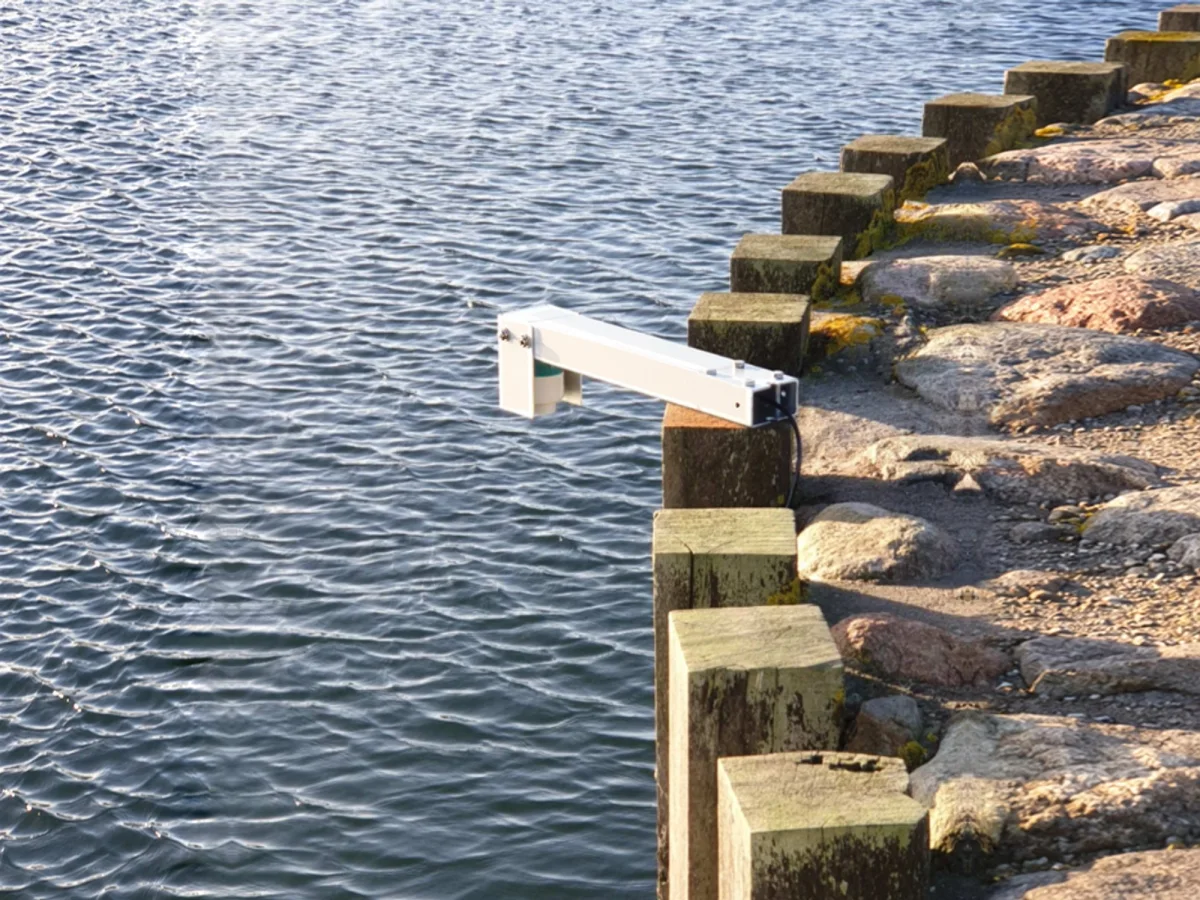
The WLM models monitor water level using radar. WCM 100 adds acoustic Doppler current measurement. Temperature measurement and other options are confirmed for the selected configuration.
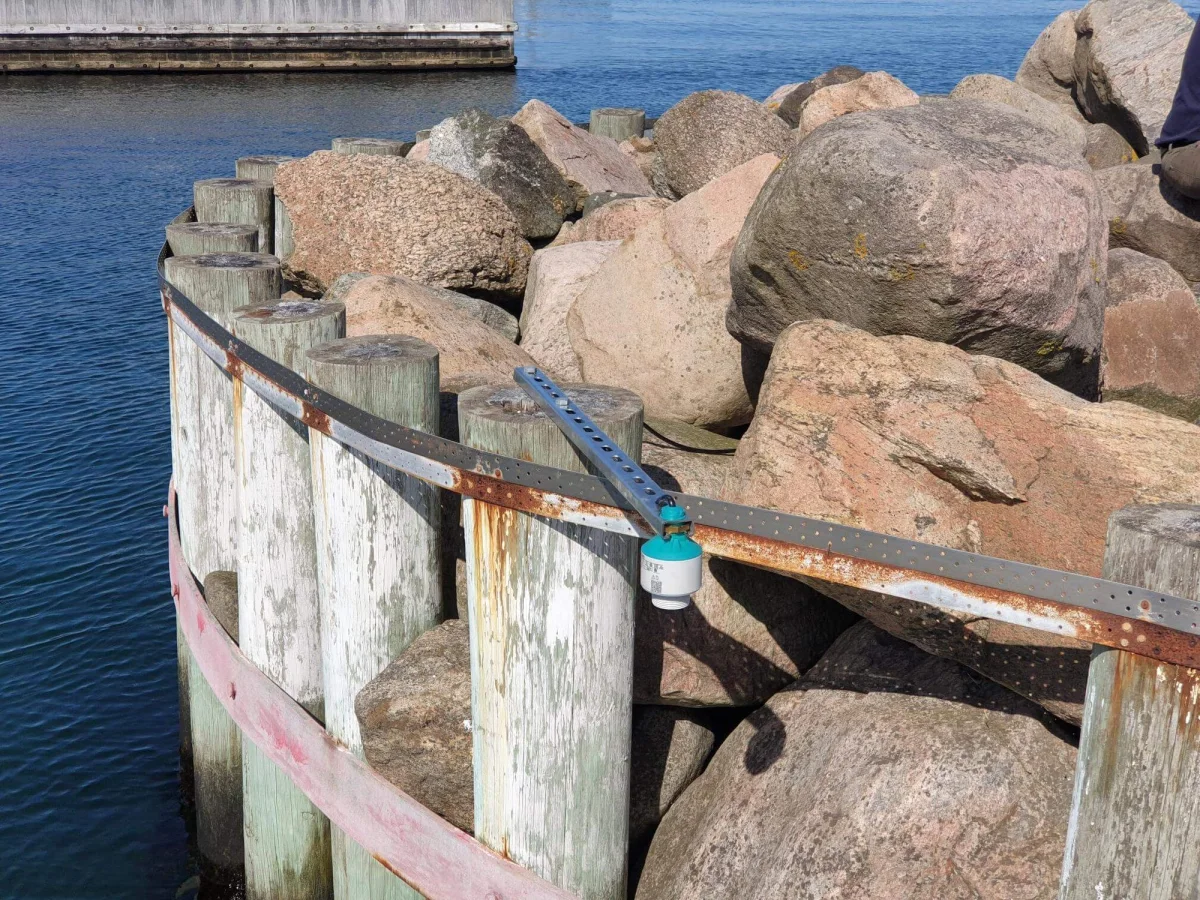
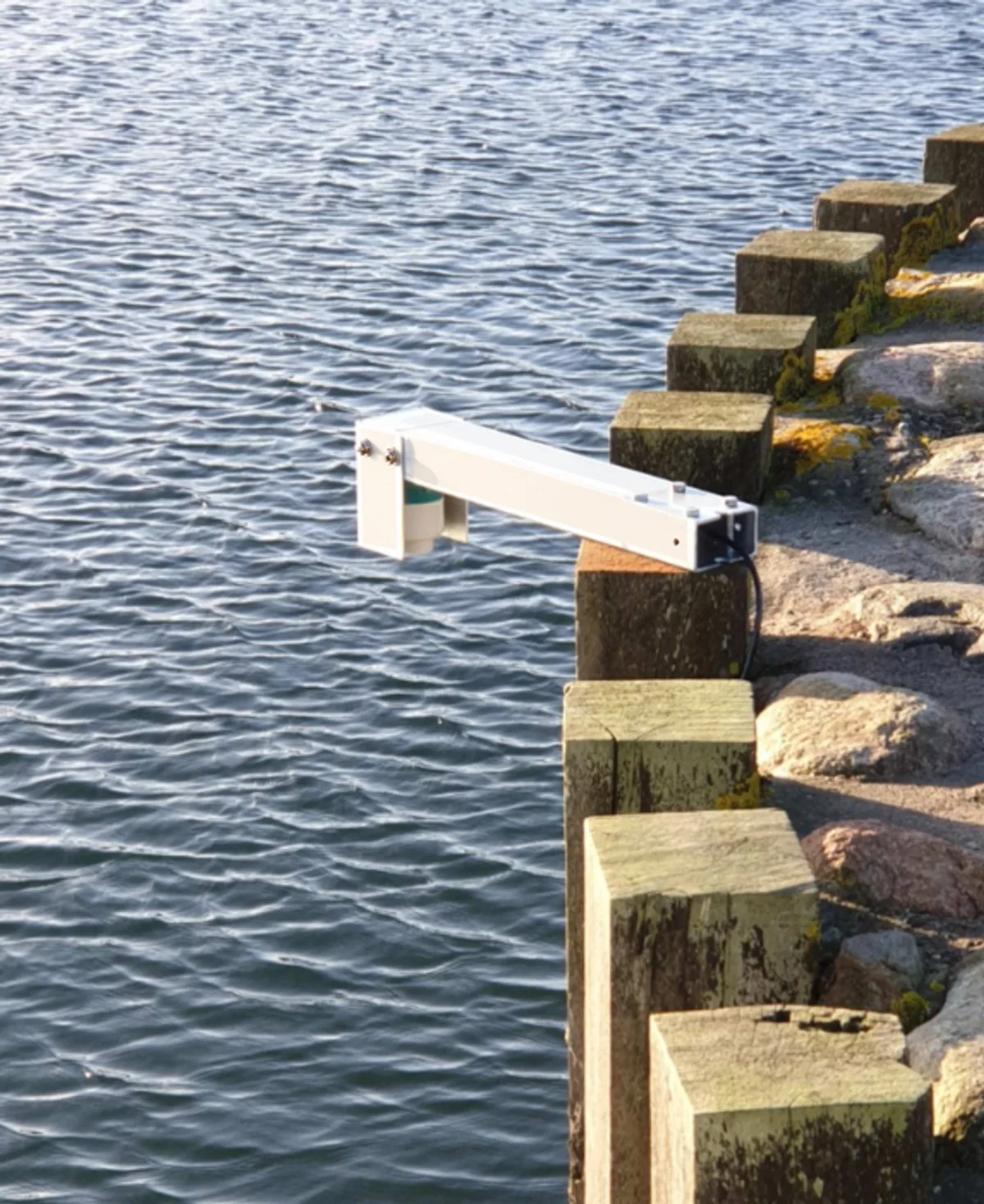
WLM radar sensors are mounted above the water surface. The sensor and mounting arrangement are selected for the site; measurement specifications are confirmed with the equipment configuration.
Live water data can be published on your own website or sent directly to the Danish Meteorological Institute (DMI) through the Emiko EasyShare module.
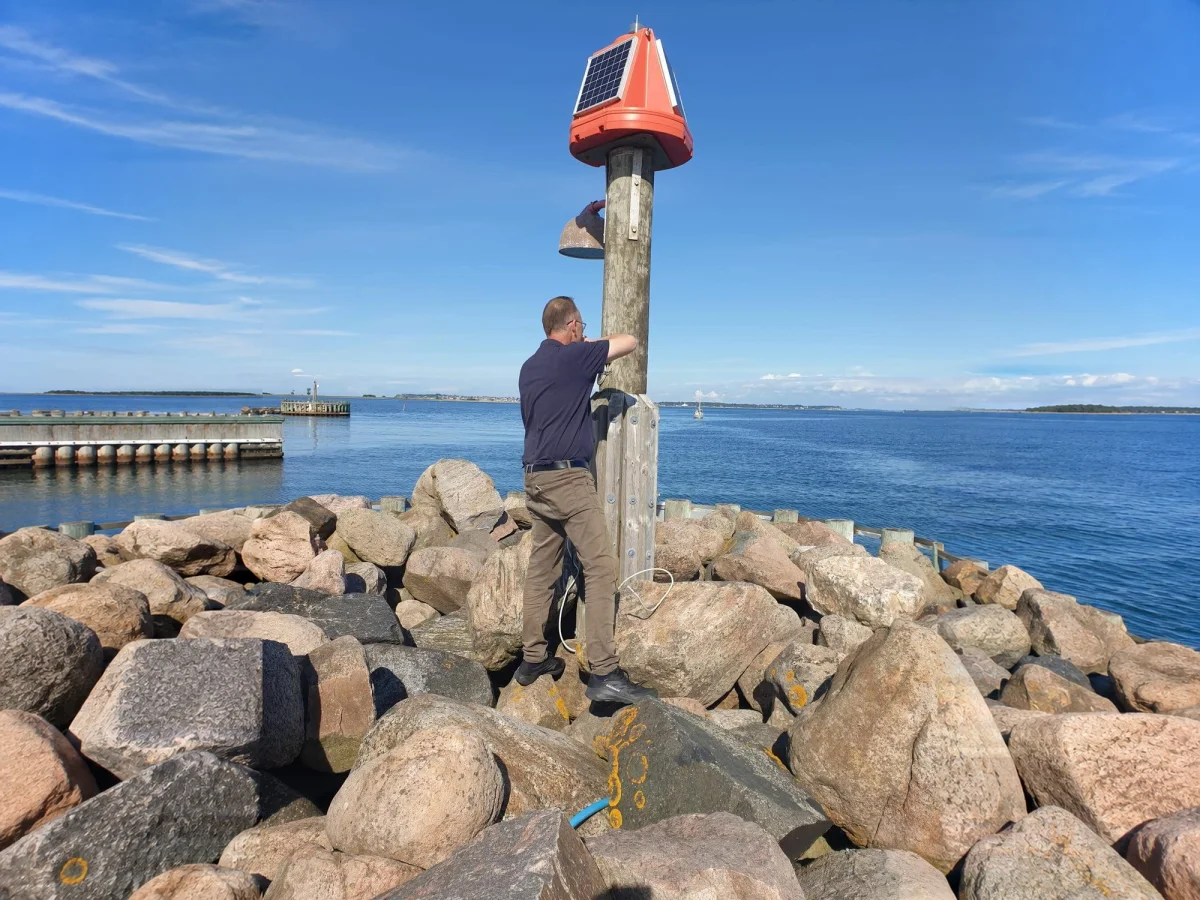
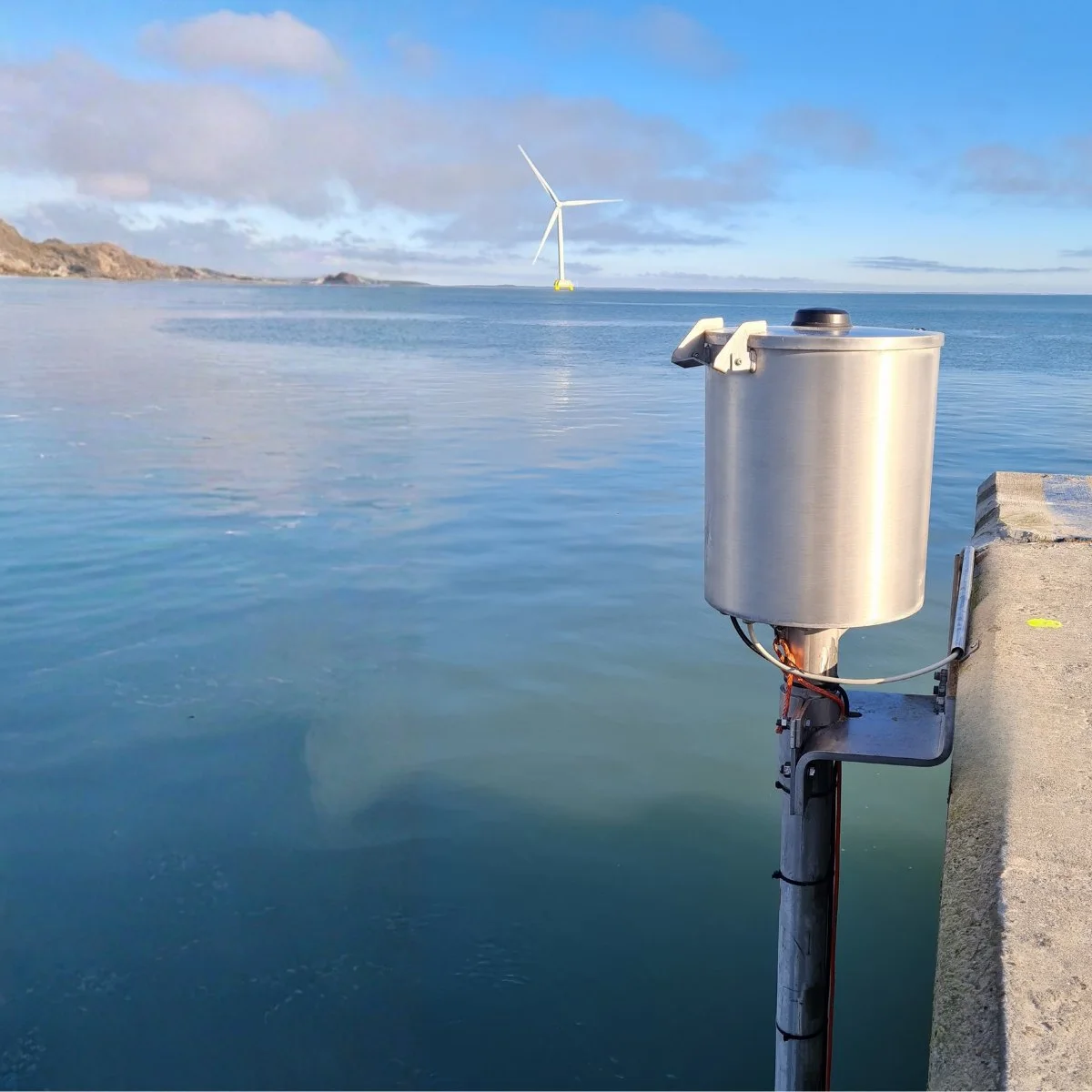
WLM radar heads are installed above the water on a suitable fixed structure. The WCM 100 current sensor is submerged on a pole and mounting bracket at the harbor wall.
Built from durable, marine grade materials for consistent performance in harsh weather and water conditions, with long service intervals.
Real time alerts on abnormal water levels help staff and vessels navigate changing conditions, and signal failures are reported automatically.
Emiko gives full access to live graphs, historical logs and device diagnostics, so long term water level trends can be analysed over time.
Runs on 24 V DC or 230 V AC, or on solar with a 60 W or 80 W panel and 20 Ah battery on the WLM 200 and WCM 100, for urban and remote locations alike.
How it works
The measurement method and installation change with the model. The common Emiko connection brings the readings into one operating view.
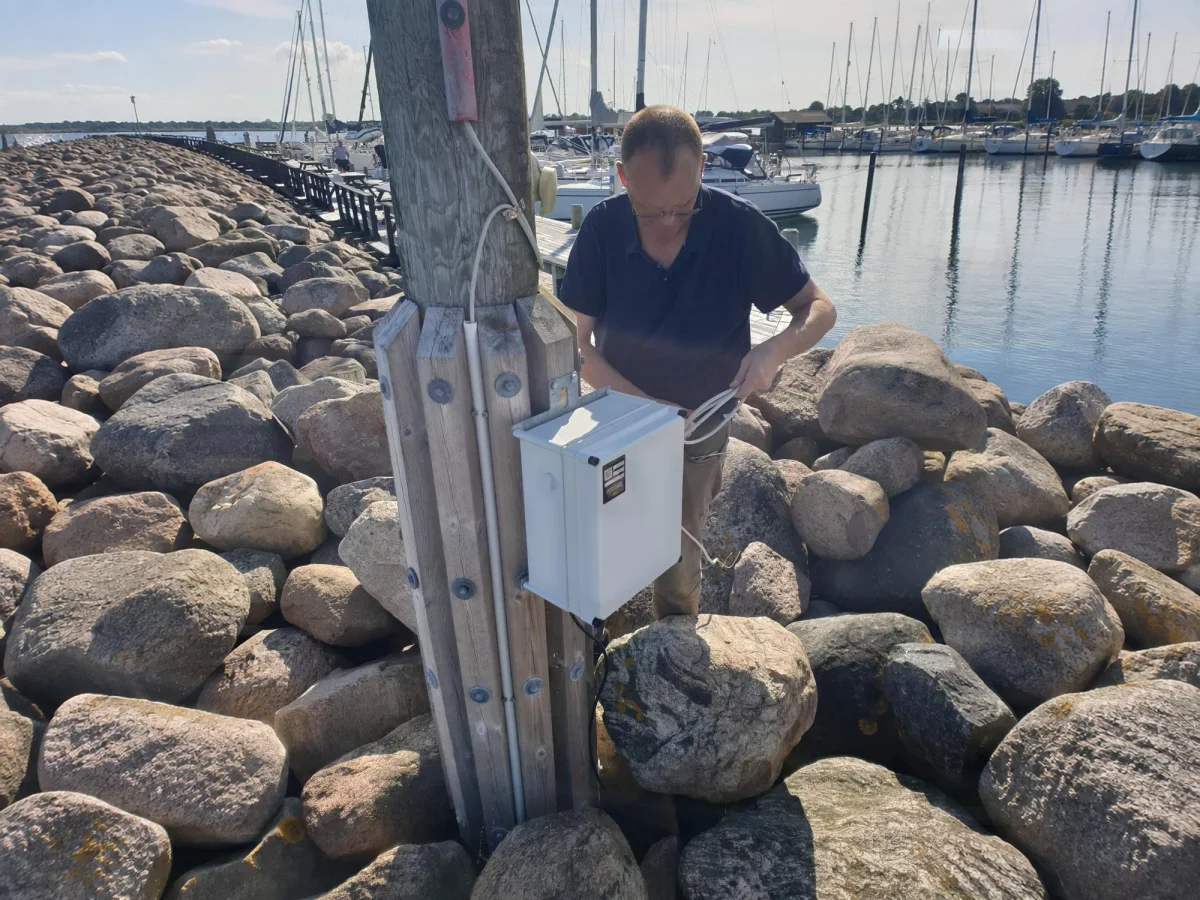
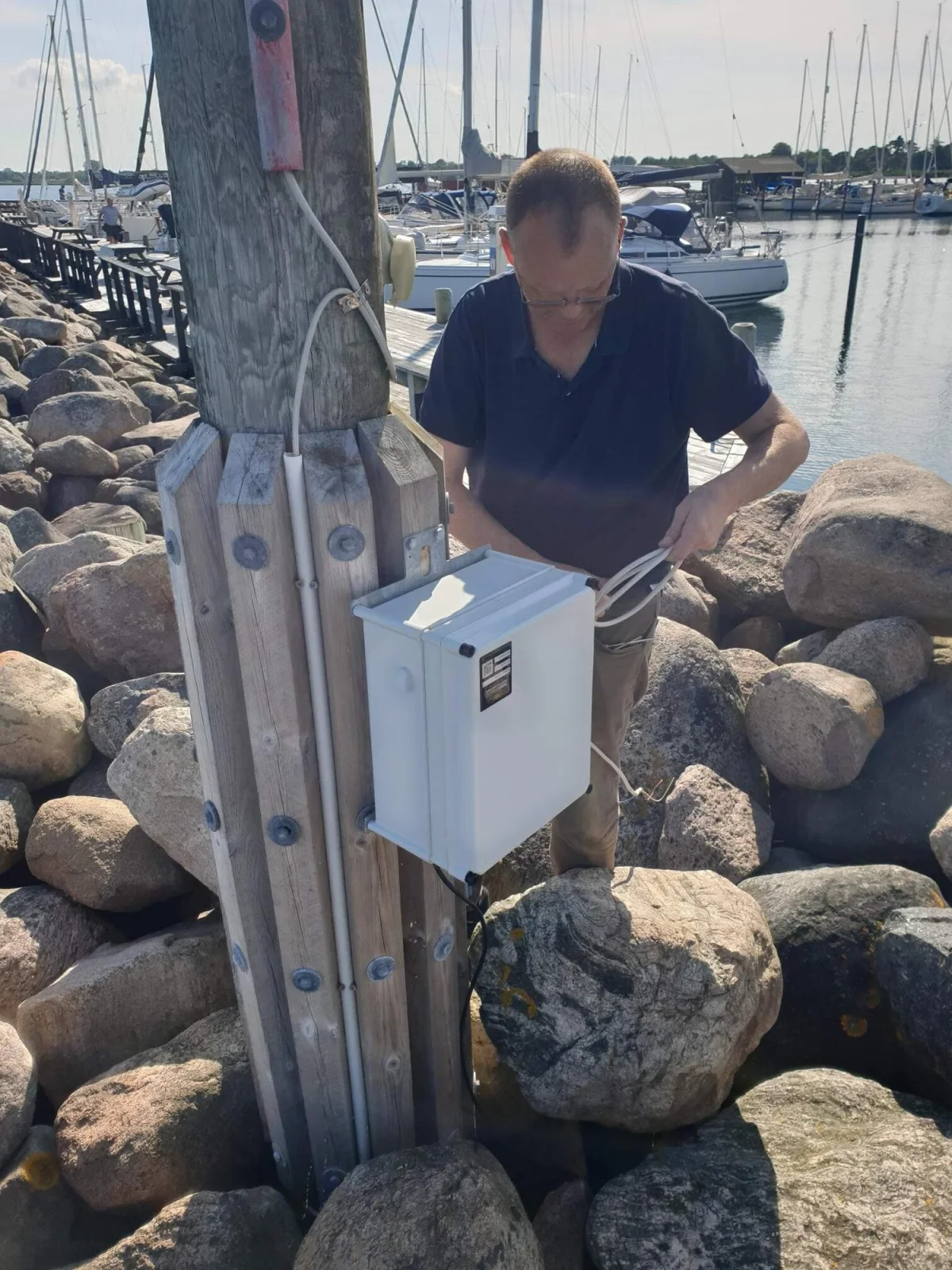
For WLM 100 and WLM 200, a radar head is fixed above the water and connected by cable to a VikMote GSM logger. The head measures the water surface without being submerged. The logger sends readings to the Emiko platform and supports status and fault monitoring.
WCM 100 uses a submerged acoustic Doppler sensor for current measurement. Its mounting, measurement area and any temperature option are specified separately from the above-water WLM installation. Choose the model from the required data and the power available at the site.
WLM 100 and WLM 200: radar water level monitoring from above the surface
WCM 100: submerged acoustic Doppler current measurement
Select the power and battery options supported by the chosen model
Send readings and operating status to the Emiko platform
Configure data sharing and alerts for the harbor team
Models
All three share the same VikMote GSM logger and Emiko integration; they differ in power configuration and, on the WCM 100, in sensor type.
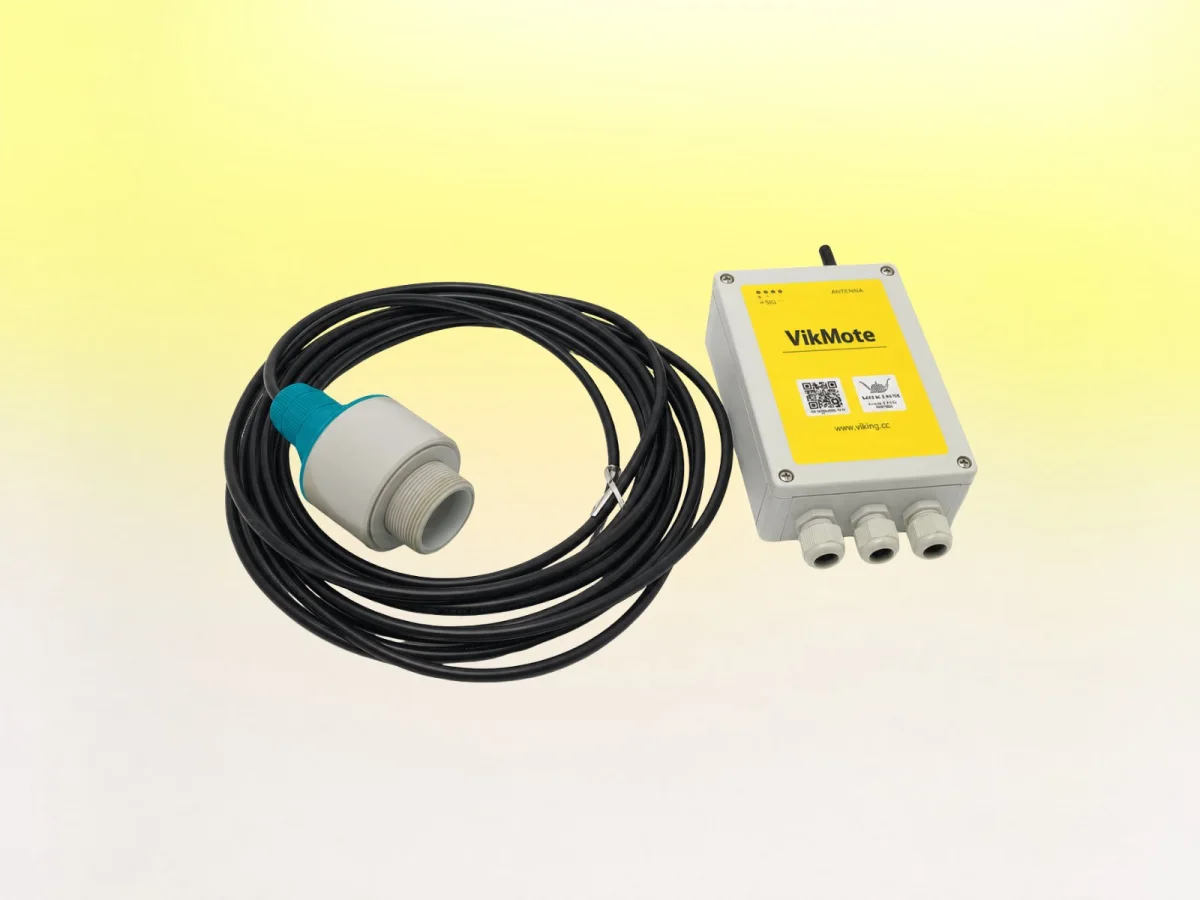
Surface mounted radar water level monitor for ports with grid access.
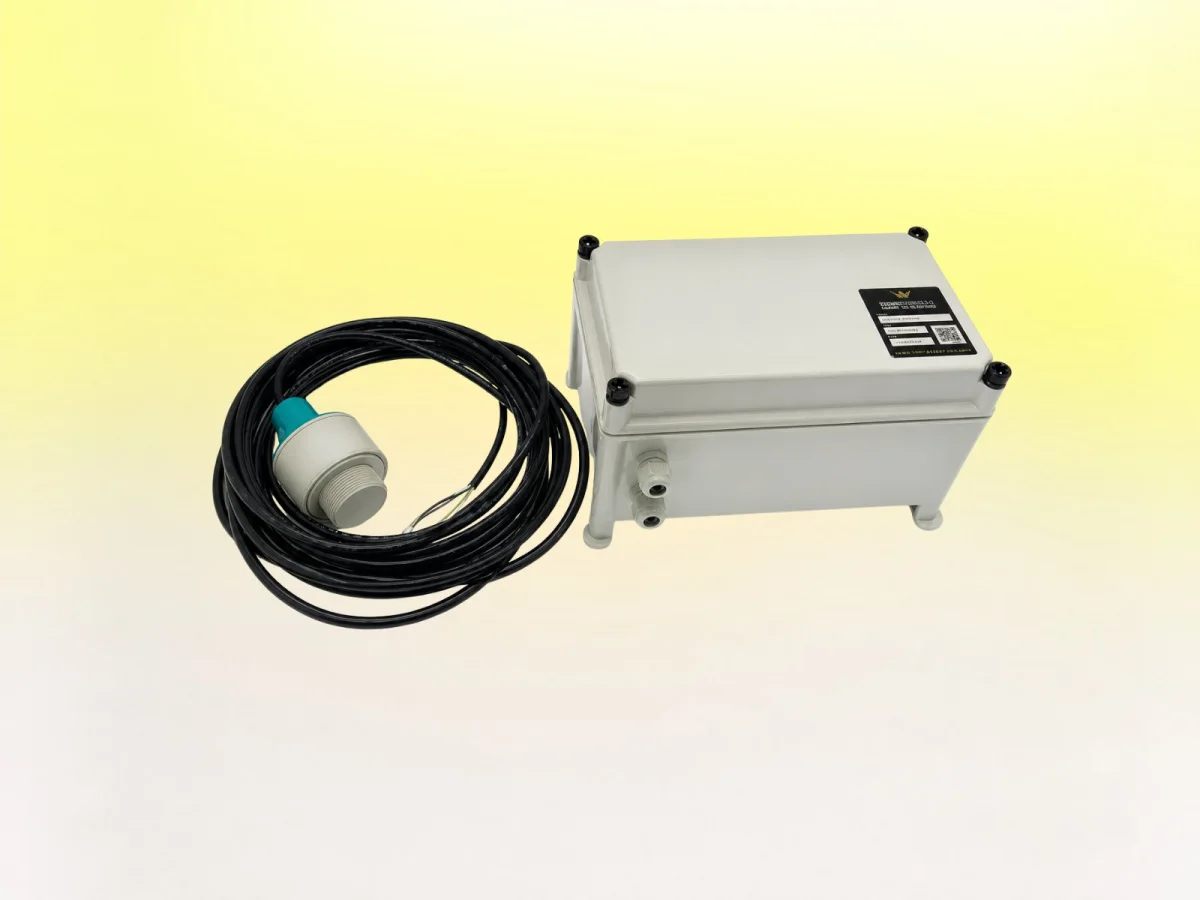
Surface mounted radar water level monitor for hybrid or remote locations with backup power and solar.
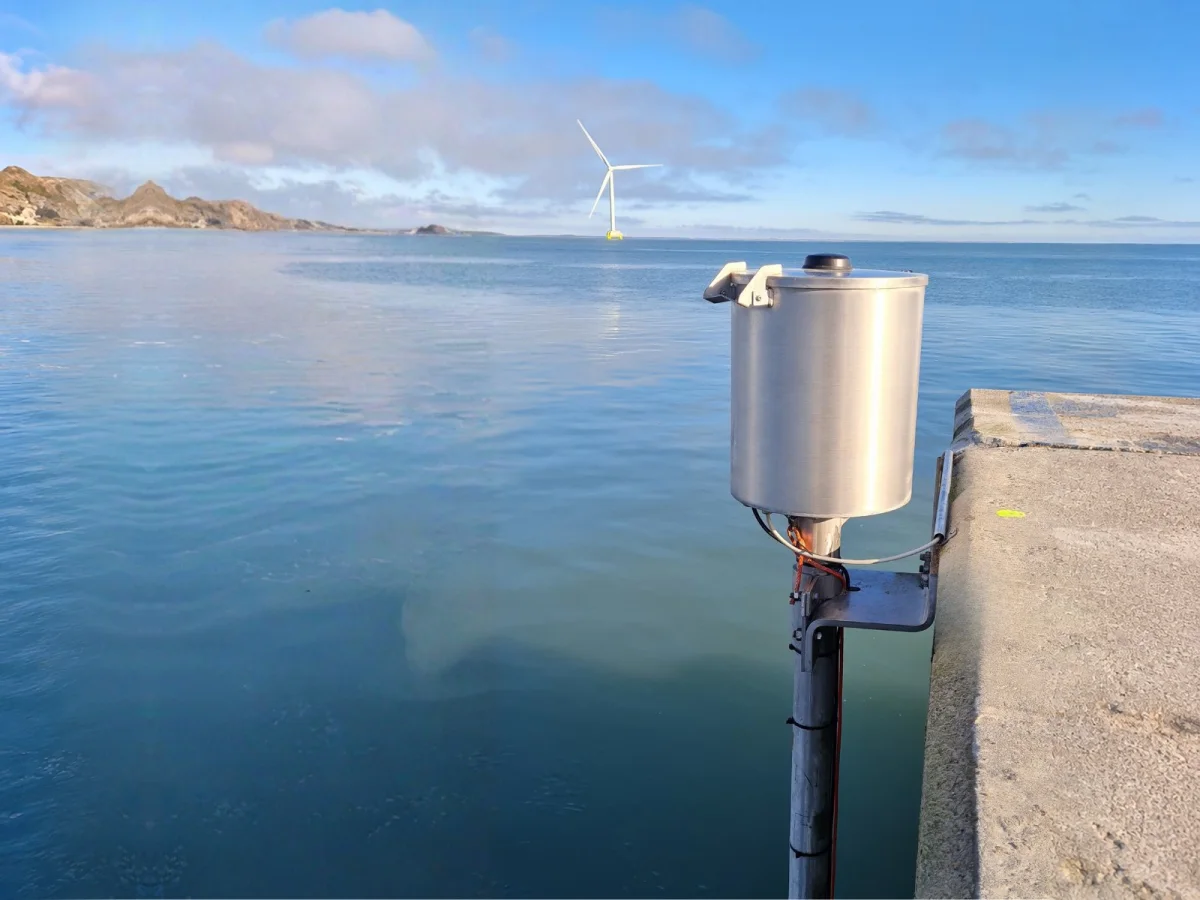
Submersible monitor for water level and water current, with an acoustic Doppler current sensor.
Ecosystem
OceanWatcher supplies water measurements to the Emiko platform alongside other connected equipment.
Emiko is Vikingegaarden's management platform for ports: live status, maps, graphs, alarms and reports for every connected device in one system. OceanWatcher readings arrive in real time, signal failures raise alerts, and the EasyShare module decides who else sees the data: your website, social media, your customers or the Danish Meteorological Institute.
Technical details
Mounting brackets and a protective cover are available as accessories. Ask us which model and power configuration fits your waterfront.
Ask about a specification| Feature | WLM 100 | WLM 200 | WCM 100 |
|---|---|---|---|
| Water level monitoring | Yes | Yes | Yes |
| Current measurement | No | No | Yes |
| Power supply | 24 V DC or 230 V AC | 230 V AC or solar | 230 V AC or solar |
| Internal battery | 2 Ah built in | Optional 20 Ah | Optional 20 Ah |
| External battery support | Not supported | Yes, 5 A at 24 V output | Yes, 5 A at 24 V output |
| Solar panel option | Not available | Optional 60 W or 80 W with 20 Ah battery | Optional 60 W or 80 W with 20 Ah battery |
| Installation type | Surface mounted | Surface mounted | Submersible in water |
| Data transmission | Emiko integration | Emiko integration | Emiko integration |
| Recommended use | Basic port water level monitoring with grid access | Hybrid or remote locations with backup and solar | Advanced monitoring including water current data |
Product guide
OceanWatcher turns the water level at your dock into live, shareable data. This guide covers who the system is for, how to pick a model, and what to expect from installation to daily operation.
A water level gauge earns its keep wherever people make decisions based on the water: ports and harbors planning safe inbound and outbound operations, locks and waterways managing flow, and coastal sites that need early warning when levels turn abnormal. OceanWatcher provides water level monitoring, with WCM 100 adding current measurement and temperature options selected for the installation, so one product family covers basic level monitoring as well as advanced current measurement.
The readings serve two time horizons at once: real time alerts that help staff and vessels navigate changing conditions today, and historical logs that let you analyse long term water level trends over the years.
A WLM installation uses radar above the water for non-contact level monitoring. A WCM 100 installation uses a submerged acoustic Doppler sensor for current measurement. The current-measurement range listed for WCM 100 is not a radar level-sensing range.
Vikingegaarden confirms the sensor specification and mounting arrangement for the measurement required at your site. Operating status and fault alerts are available through the shared logger and Emiko connection.
The choice between the three models comes down to power and data needs. The WLM 100 is the basic surface mounted level monitor for sites with grid access: it runs on 24 V DC or 230 V AC and carries a 2 Ah internal battery. The WLM 200 is made for hybrid or remote locations: it accepts 230 V AC or solar power, supports an optional 20 Ah battery, offers a 5 A at 24 V output for an external battery and can be fitted with a 60 W or 80 W solar panel. The WCM 100 is the submersible model that adds water current measurement with an acoustic Doppler sensor, measuring horizontally across 1.5 to 120 m in depth zones, with an optional external temperature sensor.
A simple rule of thumb: grid power and level data only, choose the WLM 100; no reliable power at the site, choose the WLM 200; current data required, choose the WCM 100. Mounting brackets and a protective cover are available as accessories for all of them.
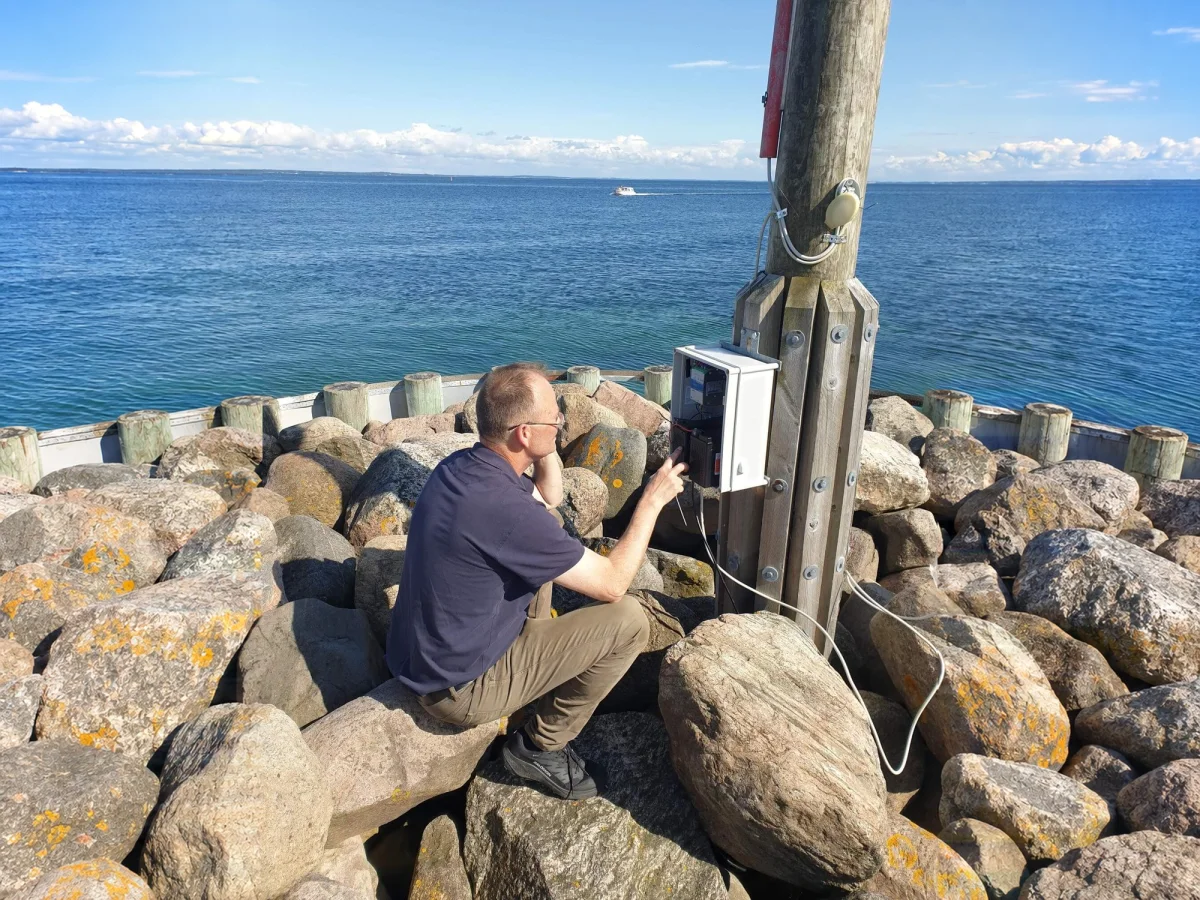
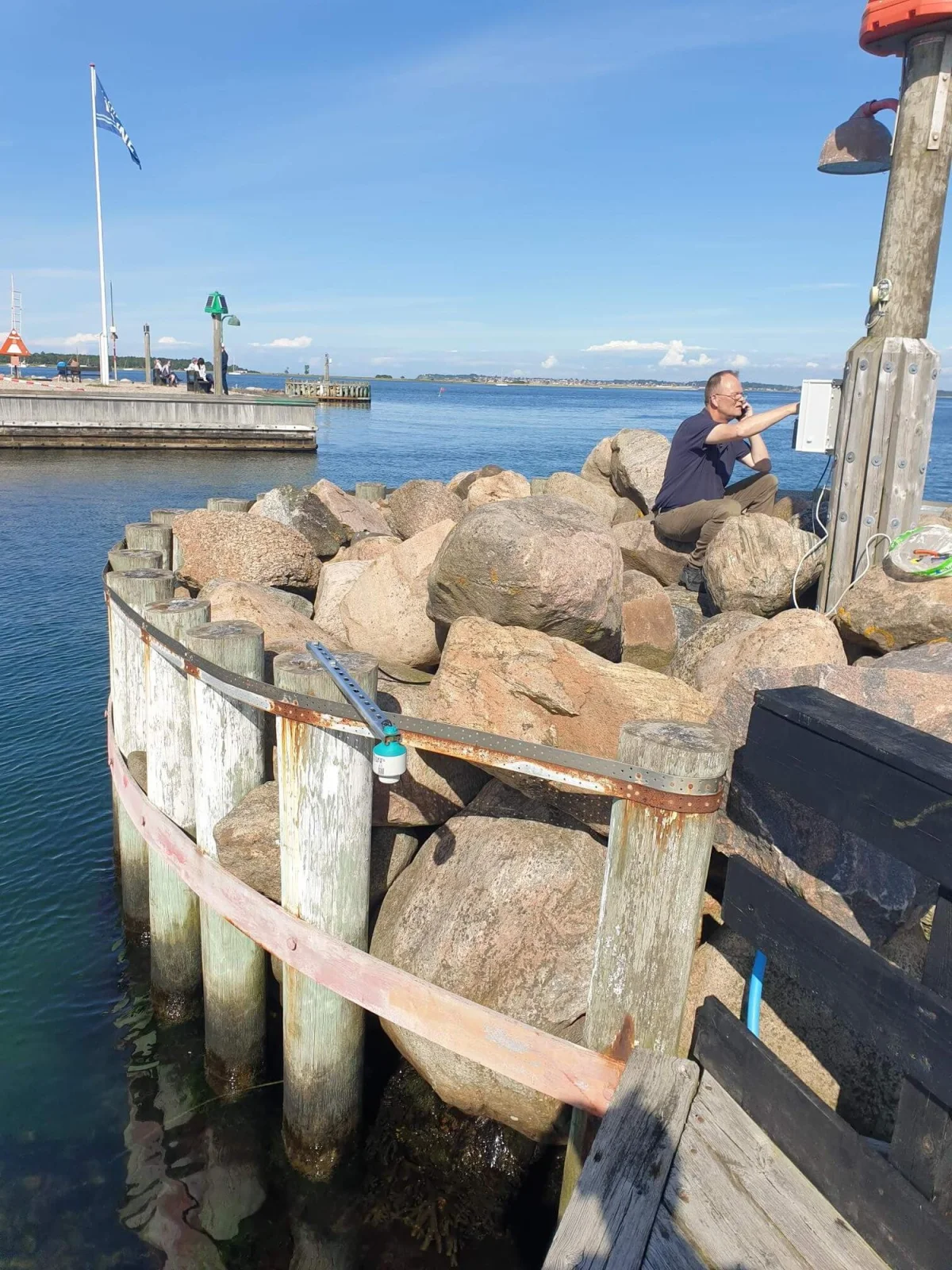
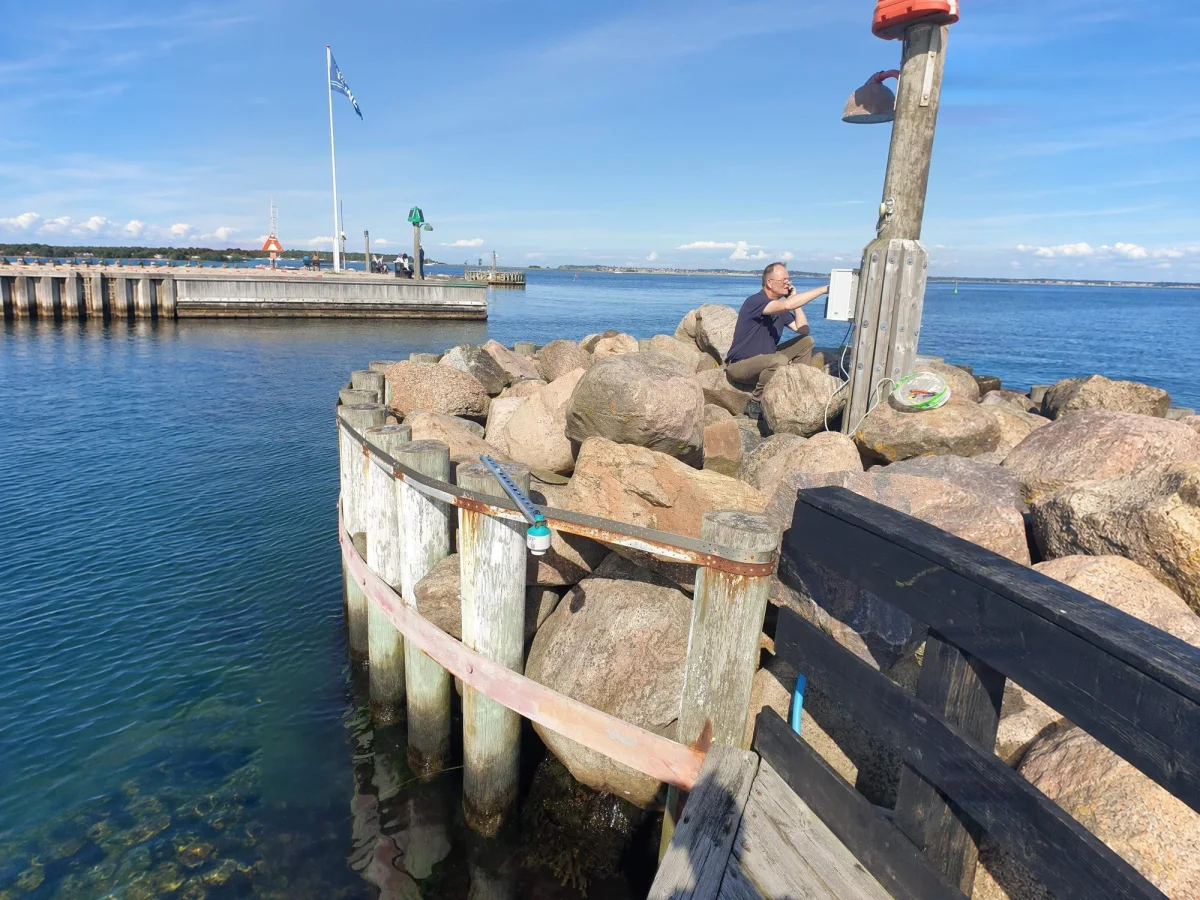
For WLM models, the radar head is mounted above the water on a suitable fixed structure and connected to the VikMote GSM logger. WCM 100 uses a pole and bracket arrangement with its current sensor underwater. Power, sensor options and service access are planned around the selected model.
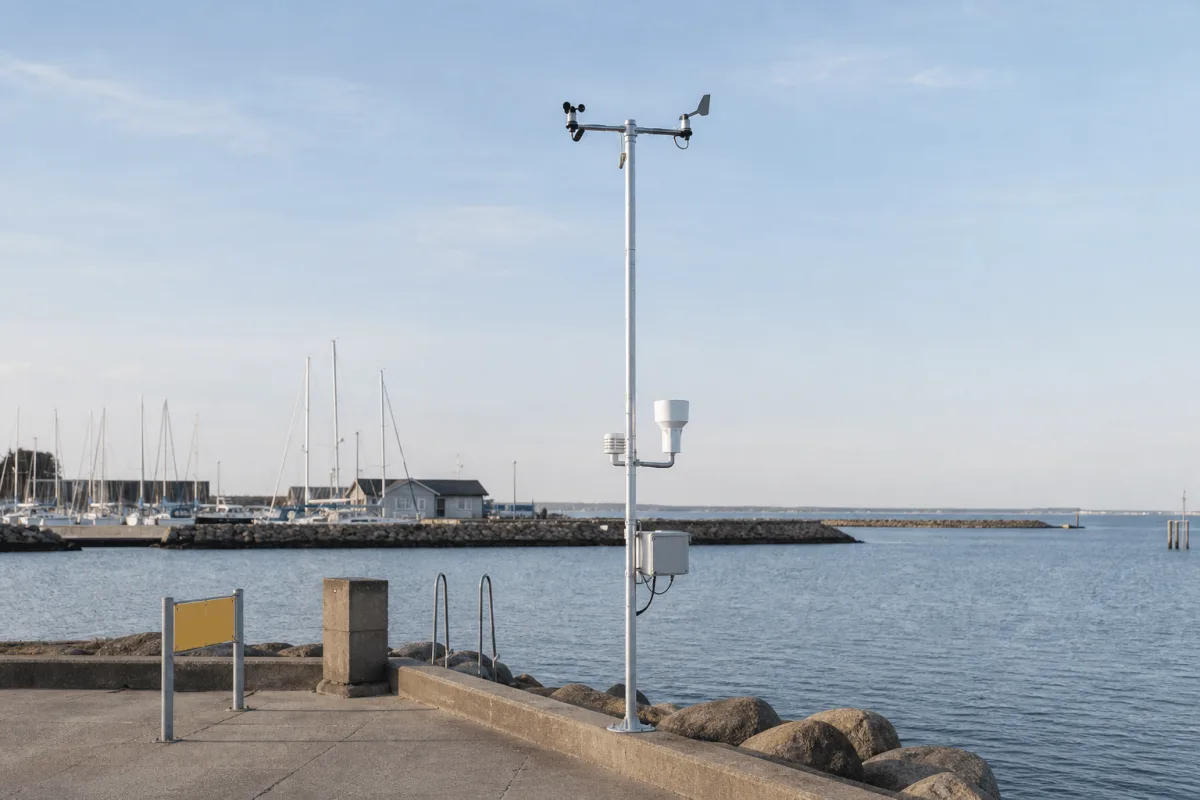
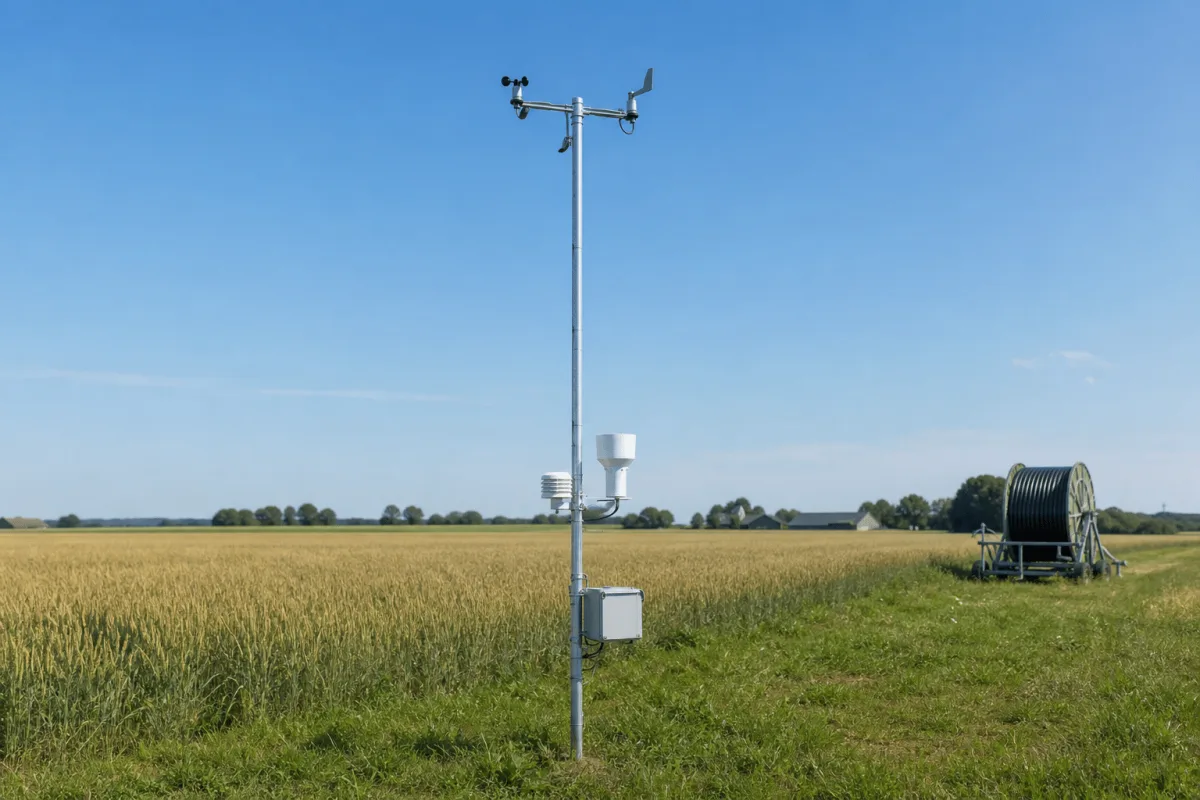
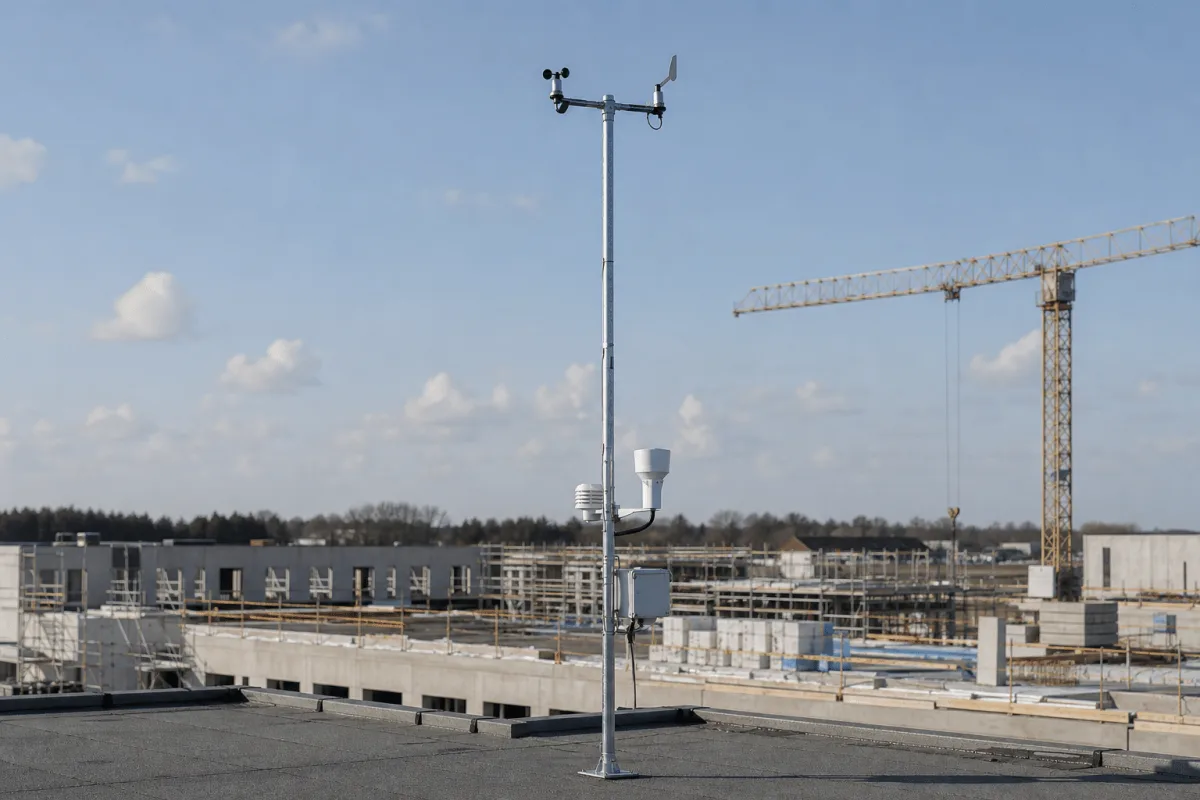
Where weather is also part of the operating decision, the Cumulus port weather station provides complementary wind and weather observations. Both product families can deliver data to the Emiko platform.
Every reading lands in the Emiko platform, where the harbor gets live status, maps, graphs, alarms and reports for each connected gauge, plus historical logs and device diagnostics. Abnormal water levels and signal failures raise alerts automatically.
Through the EasyShare module you decide who else sees the data: publish live water levels on your own website or social media, share them with your customers, or send them directly to the Danish Meteorological Institute (DMI). One gauge on the dock can inform everyone who depends on the water.
A closer look
Good to know
The WLM 100 and WLM 200 use radar to monitor water level. The WCM 100 configuration also measures water current using an acoustic Doppler sensor. Temperature measurement and other options are agreed for the selected installation, and readings are available through the Emiko platform.
WLM 100 and WLM 200 radar heads are mounted above the water on a suitable fixed dock, harbor structure or other support. The WCM 100 current sensor is submerged on a vertical pole fixed to a mounting bracket. Vikingegaarden helps confirm the location and arrangement for the required measurement.
No. WLM water level monitoring uses non-contact radar above the water. WCM 100 current measurement uses an acoustic Doppler sensor below the surface. The two measurement tasks require different sensors and mounting arrangements.
Confirm whether you need level, current and temperature data, then review the mounting location, power source, communications and data-sharing requirements. Measurement accuracy, operating limits and service requirements should be confirmed for the selected sensors and site.
Yes. The WLM 200 and WCM 100 accept solar power with an optional 60 W or 80 W panel and a 20 Ah battery, and both provide a 5 A at 24 V output for an external battery. That makes them suitable for remote jetties and sites without grid access. The WLM 100 requires 24 V DC or 230 V AC grid power.
OceanWatcher sends its readings to the Emiko platform in real time, and alerts are raised on abnormal water levels and on signal failures. Staff see live graphs and alarms, and the same data can be published externally through EasyShare, so warnings reach everyone who depends on the water.
Have a question about your project?
Talk to our teamExplore
Let’s talk about your project
Tell us where the gauge should sit, whether you have grid power at the dock and whether you need current data. We help you choose between WLM 100, WLM 200 and WCM 100.
Tinnetvej 70, 7173 Vonge, Denmark