Guides
MID Metering for Harbor Billing: What to Check
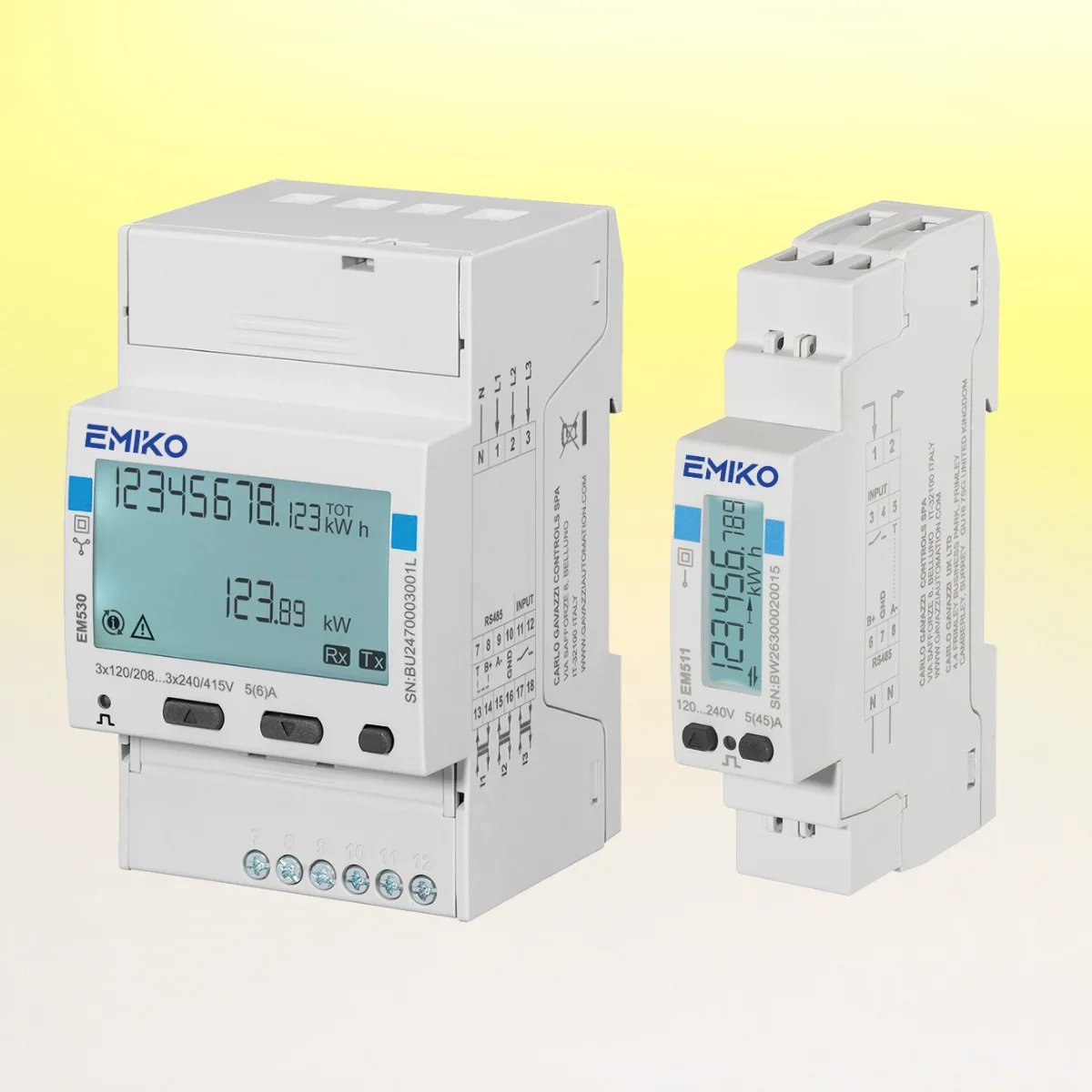
MID metering concerns the measuring instrument used to record consumption. A harbor also needs to identify the correct customer, retain the relevant readings and apply the agreed tariff. A meter's conformity documentation does not, by itself, verify every step from the outlet to the invoice.
What does MID refer to?
MID refers to the European Measuring Instruments Directive framework, which covers measuring-instrument categories including water meters and active electrical energy meters. The EU overview of measuring-instrument rules explains the framework and conformity markings.
For a selected installation, check the actual meter model and documentation, the intended use and the applicable local requirements. Avoid treating a generic claim about an entire pedestal or data logger as a substitute for the meter's documentation.
Follow the reading from outlet to invoice
A consumption-based workflow needs a clear relationship between the physical meter, the service outlet, the customer and the billing period or session. Staff should be able to find the recorded readings and understand how a charge was calculated.
- Identify which meter records the customer's service.
- Confirm how the customer and operating period are assigned.
- Check that the relevant readings reach the operating system.
- Review the tariff and how the financial process receives the data.
- Define how a missing reading or disputed charge is investigated.
This is relevant to short visits, resident boats and commercial customers. Their tariffs and settlement periods may differ even when the underlying metering arrangement is similar.
Can existing meters be connected?
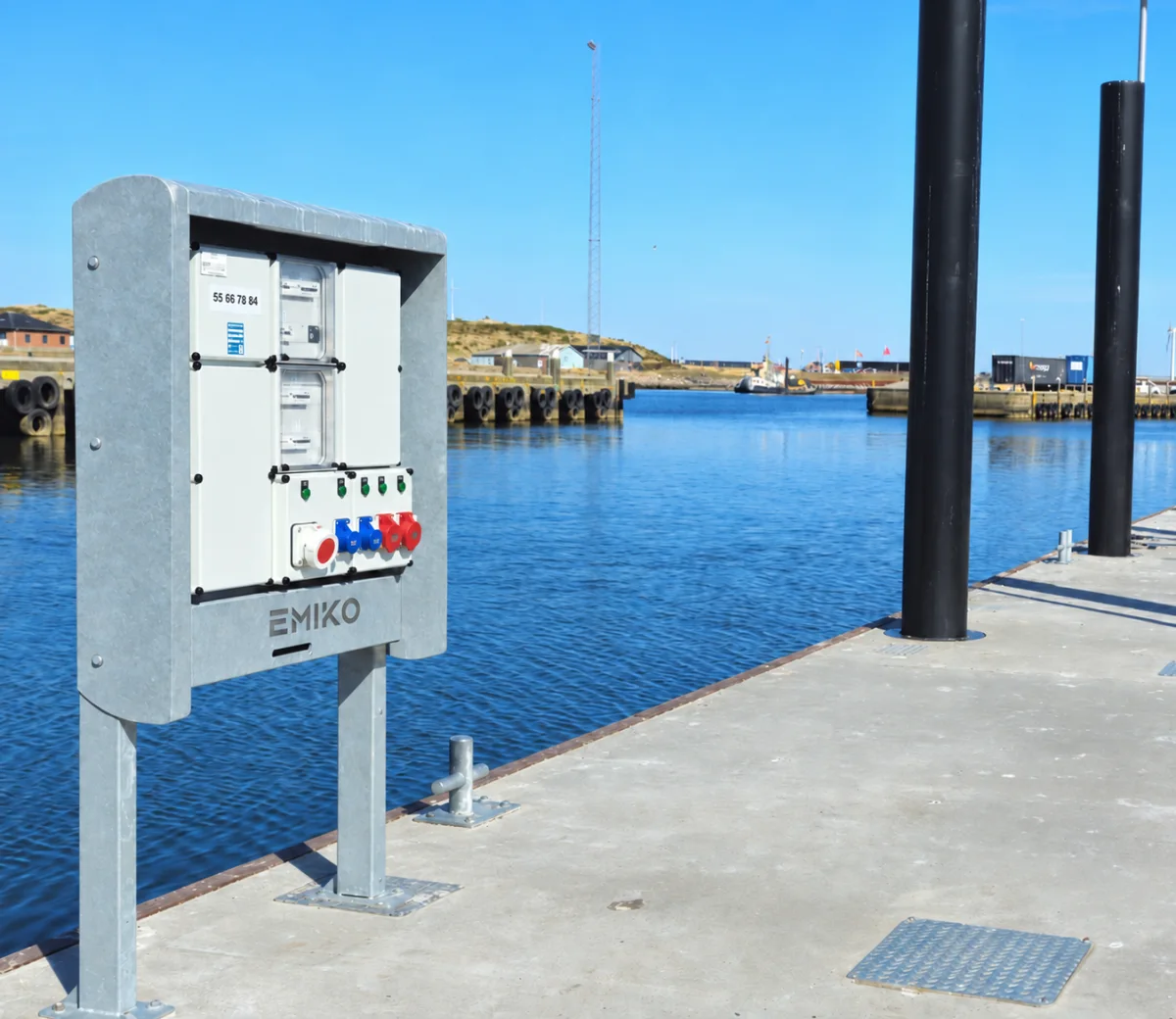
EnergyLogger collects readings from compatible meters in existing installations. Meter interfaces, controller capacity and the installation arrangement need confirmation. Connecting a logger does not change the approval status of the meter it reads.
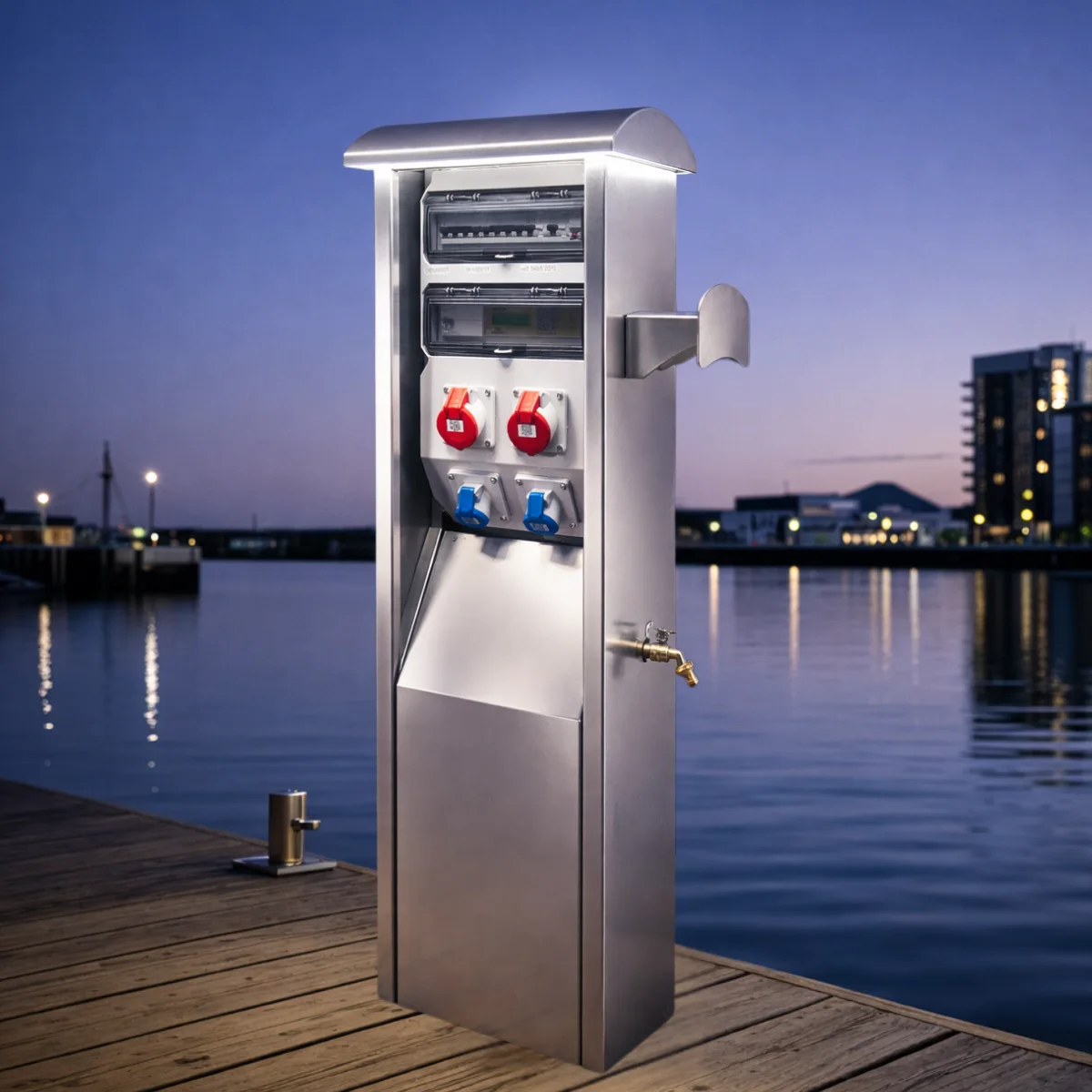
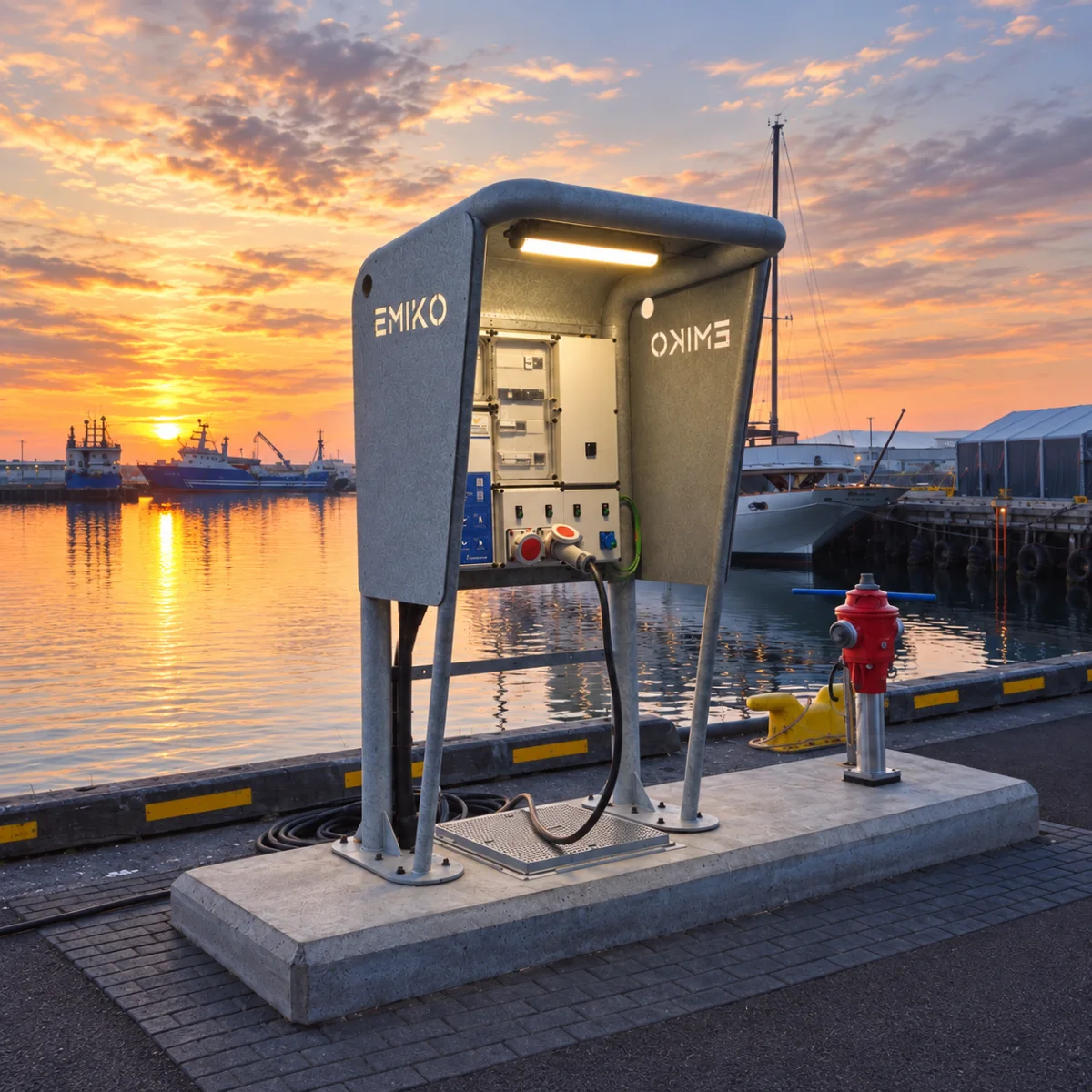
For new service points, the Marinella NEO and Marineium MarineBox pages describe their configured metering arrangements. Confirm the supplied model and meter documentation when specifying a project.
Separate meter collection from financial integration
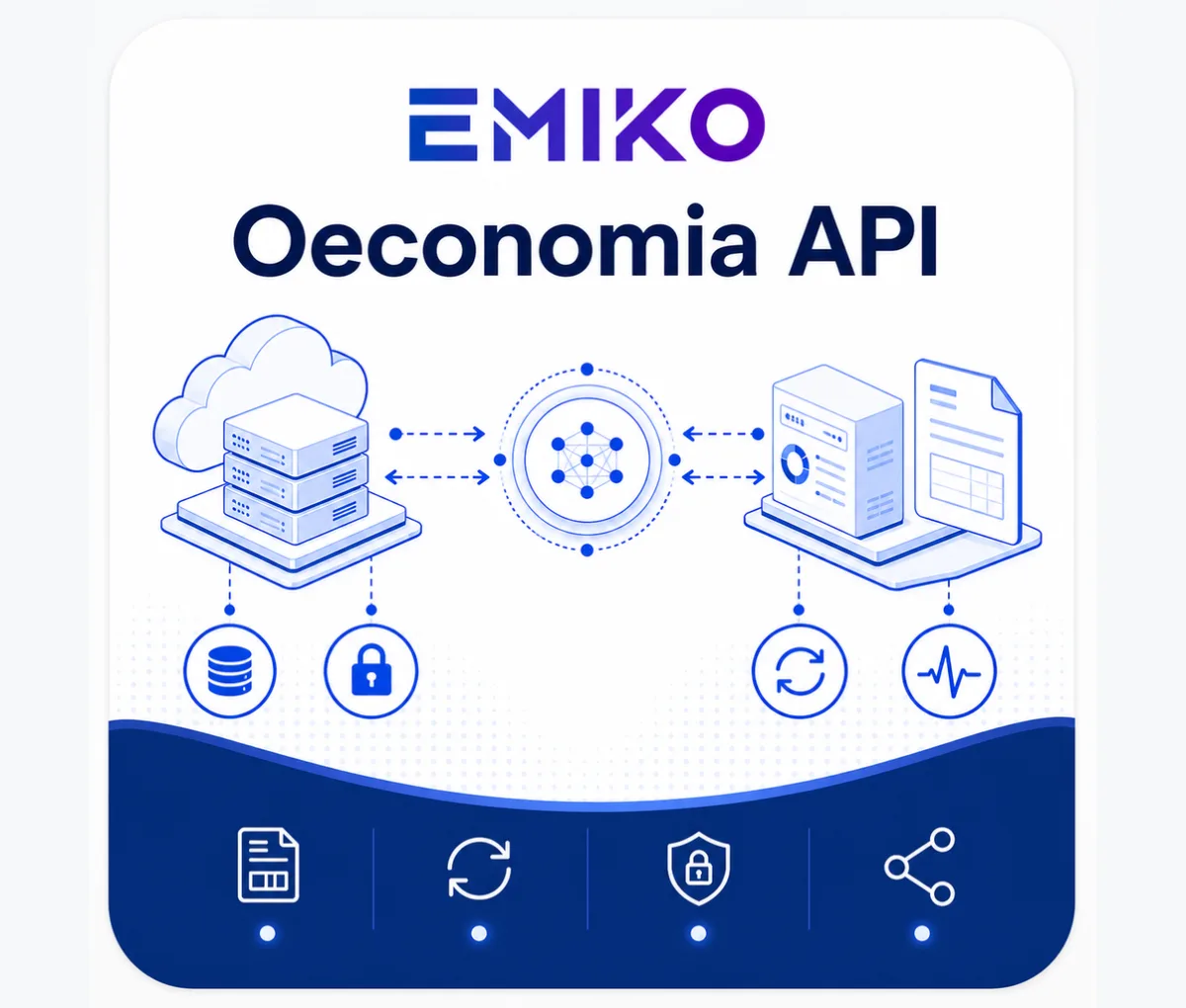
Recording consumption, accepting a payment and transferring data into a financial system are separate tasks. The Oeconomia API concerns the integration of operational data with an agreed financial workflow. The receiving system, required records and implementation scope must be defined.
For an initial review, bring the meter inventory, an example of the current invoice and a description of how customers are assigned to outlets. This makes it possible to assess the complete workflow instead of starting with an unqualified promise of automatic billing.