Guides
Five Signs Your Harbor Utility System Needs a Review
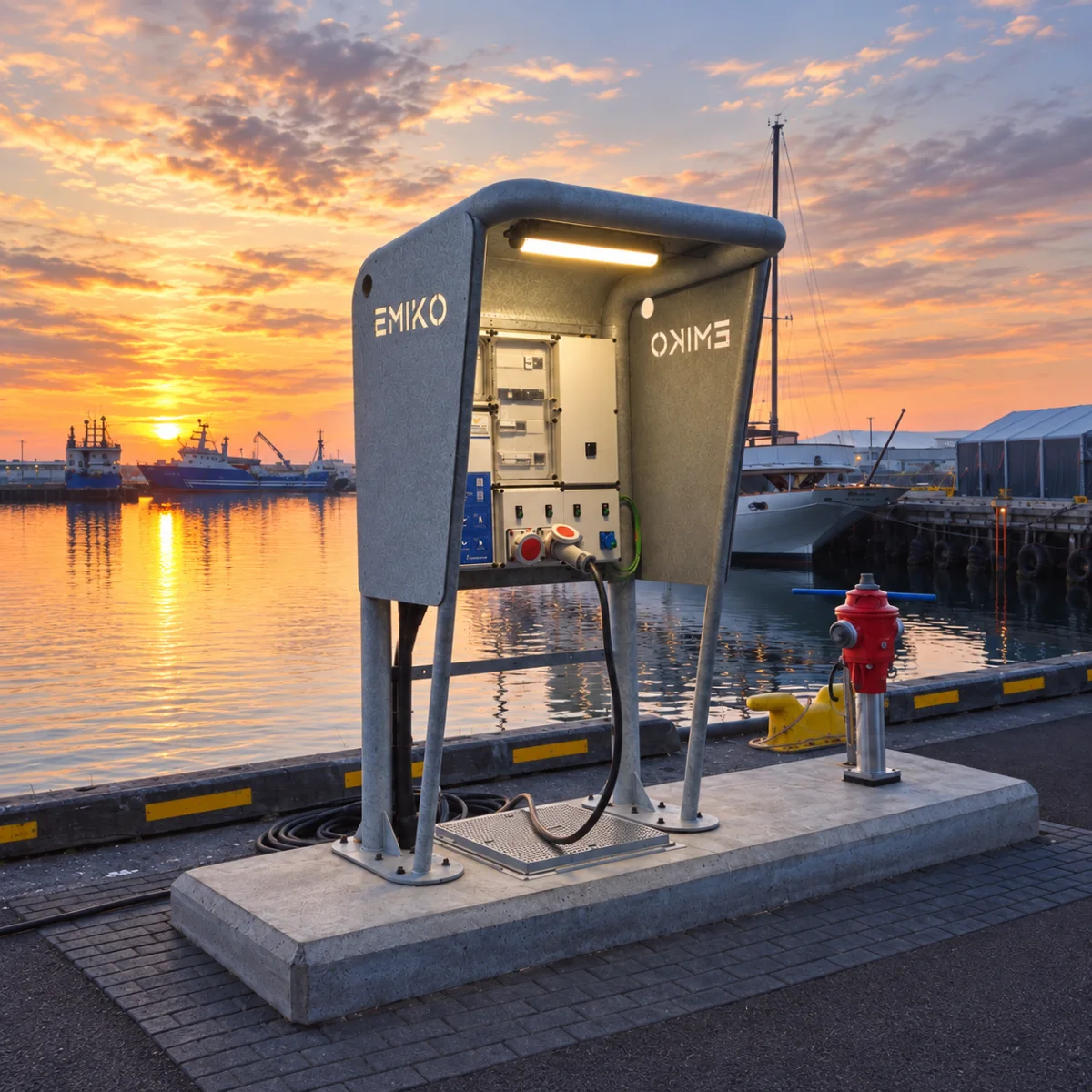
A utility-system review is useful when routine metering, customer access or fault handling creates recurring work for harbor staff. It does not automatically mean replacing every service point. These five questions help distinguish a data problem, an operating-process problem and a need for different equipment.
1. Are meter readings difficult to collect and trace?
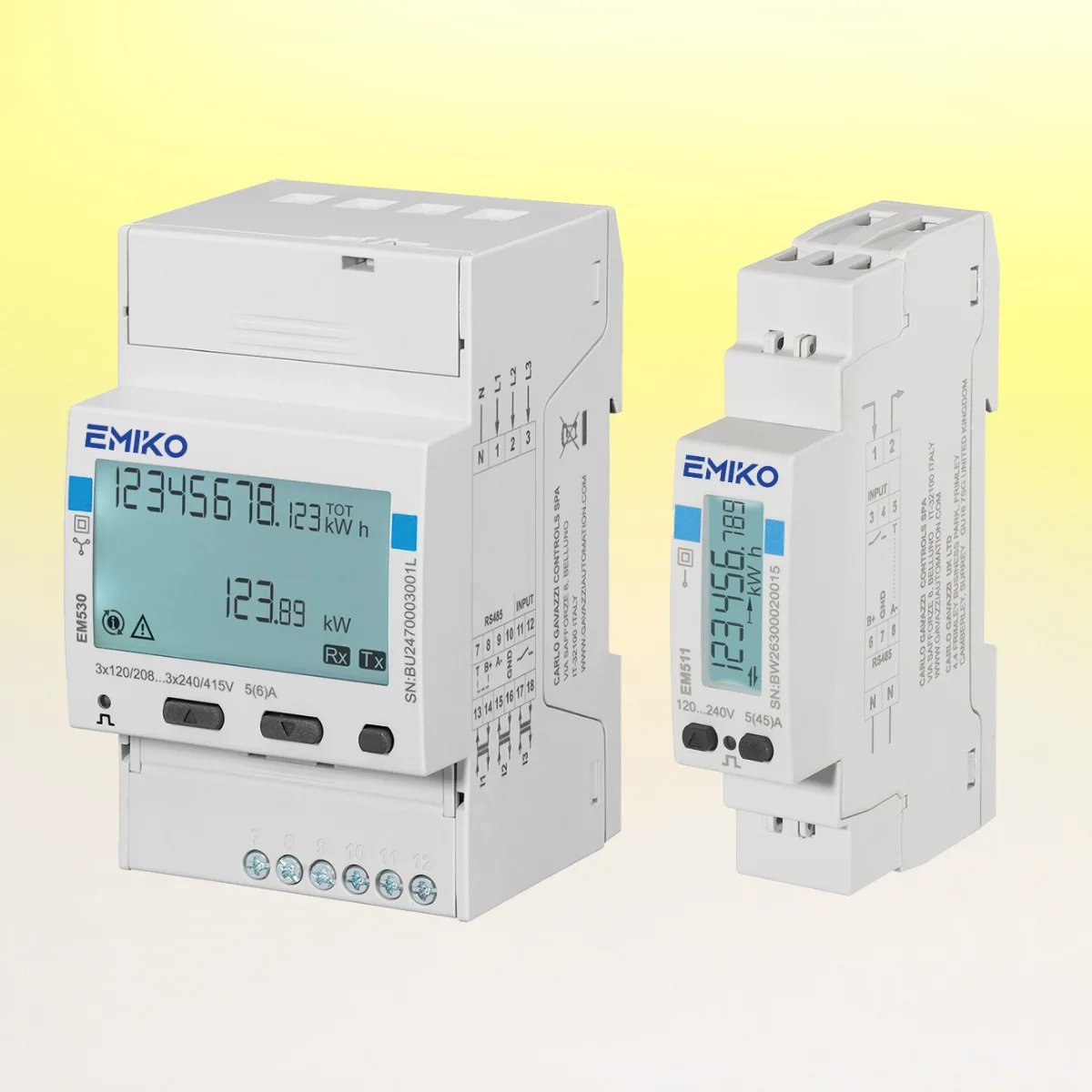
If readings are copied manually, review how often they are collected, how they are assigned and how an error is corrected. Remote collection can reduce transcription work when the existing meters and interfaces are compatible.
EnergyLogger is relevant to that assessment. Confirm the meter connections, reporting arrangement and controller capacity before assuming that a retrofit will suit the whole site.
2. Does guest access depend on office hours?
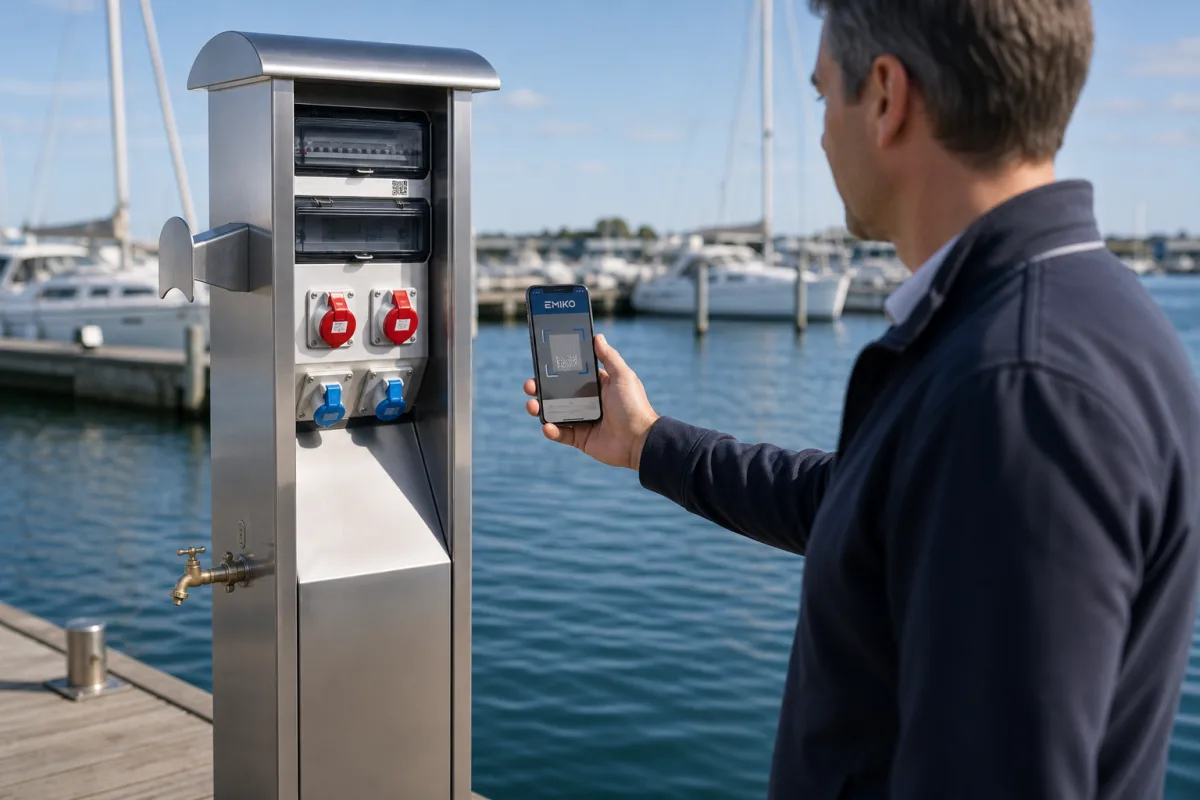
Look at how a visiting customer starts a service when staff are unavailable. A QR-based customer flow can provide self-service activation on configured equipment, but the tariff, payment arrangement and support instructions still need to be clear.
The guide to QR activation for marina electricity explains the outlet, customer and session information to review before changing the process.
3. Is it hard to explain a consumption charge?
Check whether staff can trace an invoice back to the relevant meter, customer and period. An agreed flat tariff and a consumption-based tariff are different operating choices; neither should be confused with a missing or incorrectly assigned reading.
Where measured consumption is used, review the meter documentation and billing workflow together. See the MID metering guide for the distinction between the measuring instrument and the wider process.
4. Is bought electricity difficult to compare with recorded use?
A difference between incoming supply and customer records needs investigation. Check reporting periods, services used by the harbor itself, meter coverage and the data available before drawing conclusions about losses or unrecorded use.
The Emiko platform provides operating and consumption information from compatible equipment. The usefulness of a comparison depends on how the installation and its records are configured.
5. Is responsibility for faults unclear?
Review how an equipment problem reaches the team and who acts on it. Connected status and configured alerts can support that workflow; they do not guarantee that every failure is detected in advance. Customer reporting, inspection and a defined service response still matter.
Choose an upgrade that addresses the actual issue
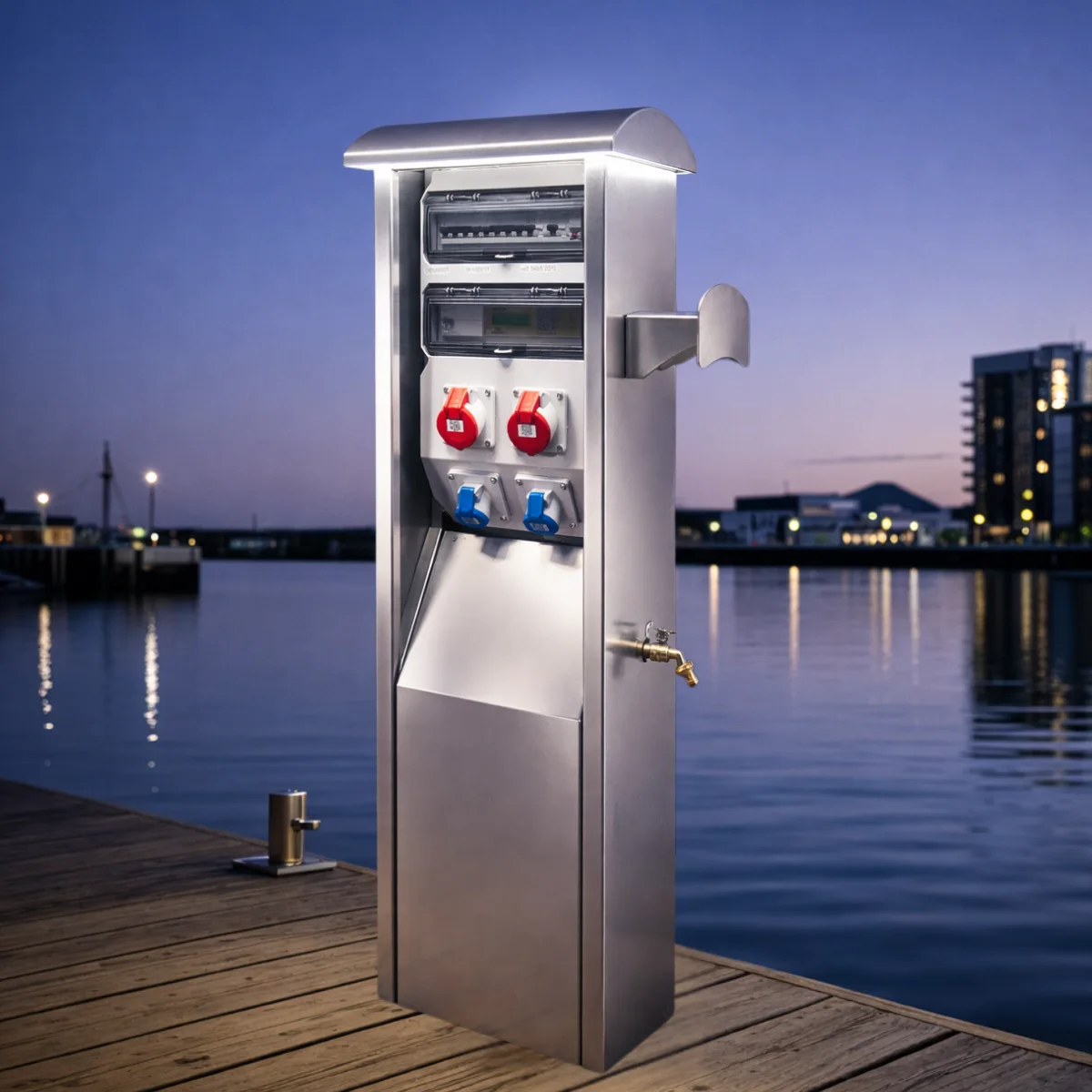
A review may lead to a change in meter collection, software configuration, customer instructions or physical equipment. The Thyborøn Port case study provides a documented example of an operating-system update. For new service points, compare the Marinella NEO and MarinePro formats against the site layout.
Bring the existing equipment list and examples of the operational problem to an initial discussion. That gives the project a defined purpose and avoids replacing equipment simply because its appearance is dated.