Guides
Shore Power for Ports: How to Plan the First Installation
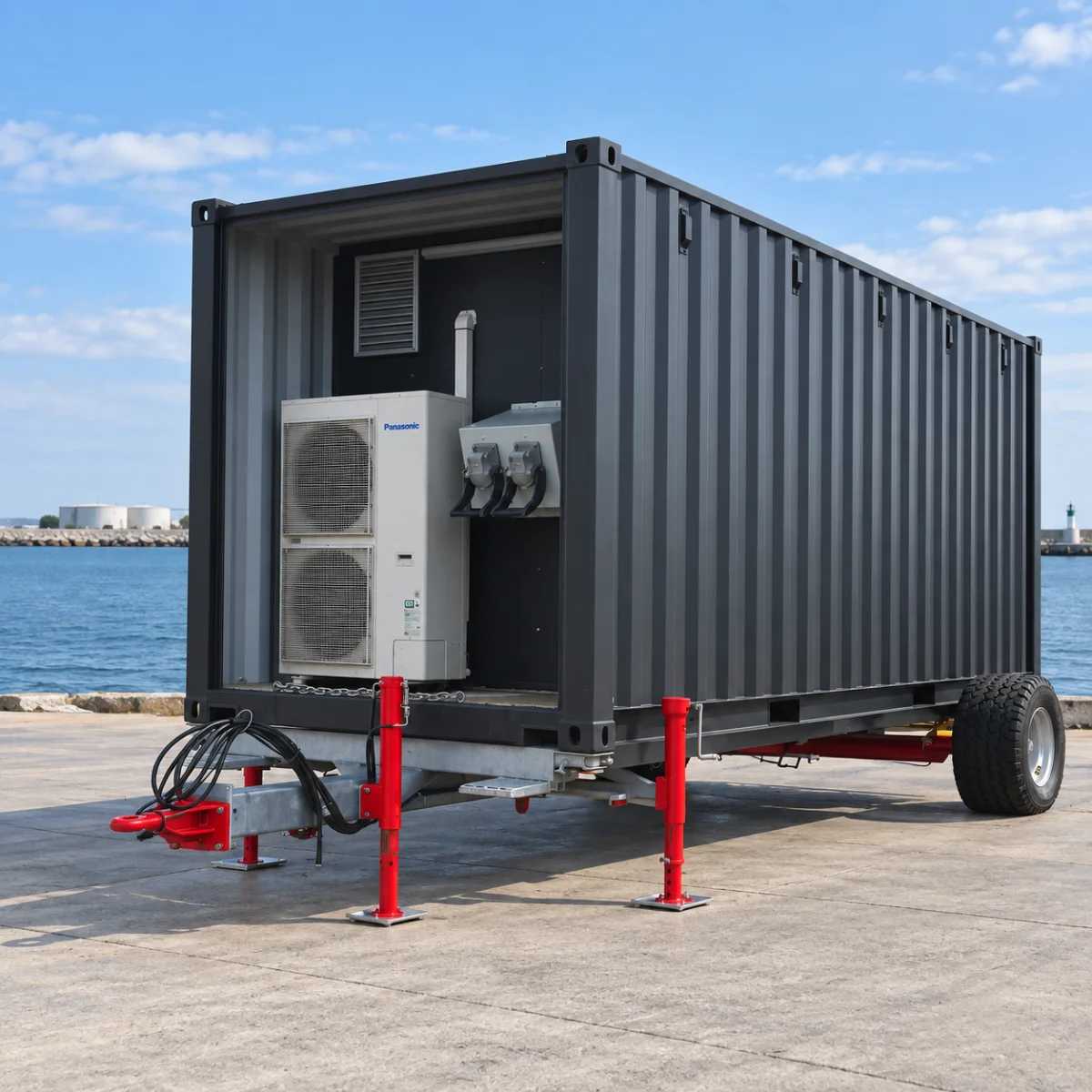
A shore power project starts with the vessels the port expects to serve, their electrical requirements and the supply available at the site. The choice between mobile and fixed equipment follows those findings. Metering, customer handling and responsibility for the connection belong in the same plan.
Identify the vessels and their demand
Record the vessel types, where they stop, how long they normally remain and which electrical loads they need while alongside. Fishing vessels, ferries and service vessels may have different operating patterns, so one assumed demand figure should not stand in for the whole port.
Collect the vessel connection requirements and discuss voltage, frequency, connector arrangement and available capacity with the project team. The equipment configuration should follow the confirmed requirements of both the vessel and the shore installation.
Compare mobile and fixed supply arrangements
A mobile unit can be considered where the service location changes or where a port wants to evaluate demand before committing to a permanent layout. ShoreSupply is a trailer-mounted shore power conversion solution. Its suitability depends on the selected configuration, the available upstream supply and the vessel connection.
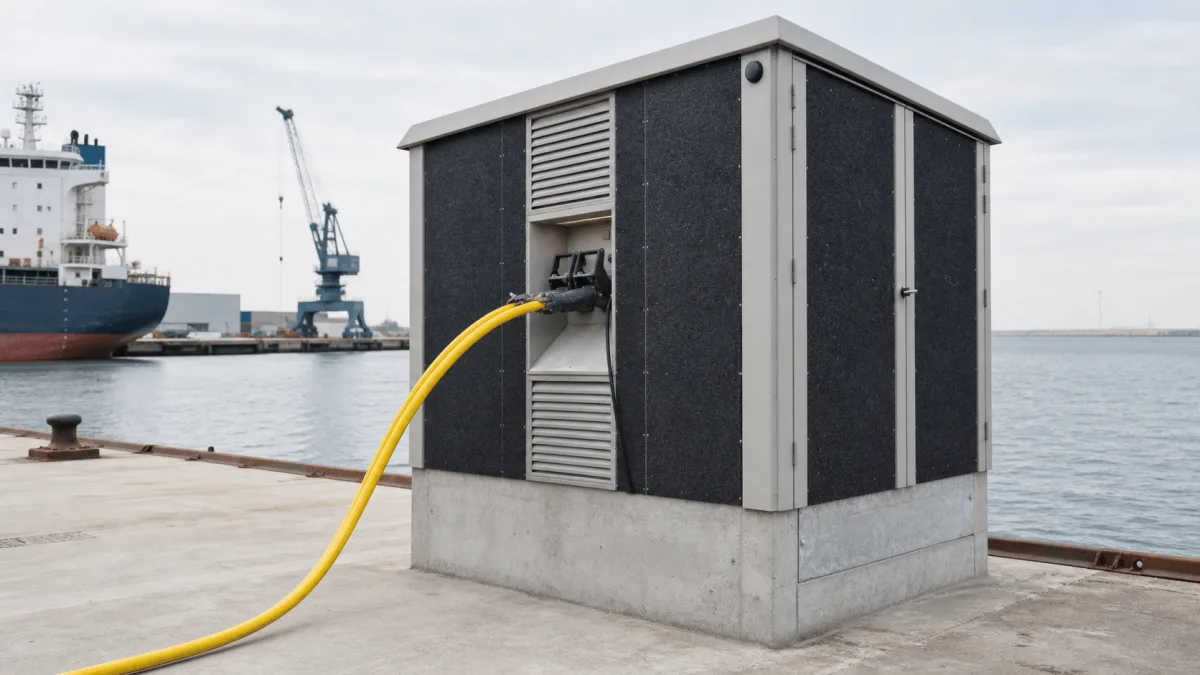
For a permanent service point, MarineMax provides a fixed power kiosk format for port applications. A mobile converter and a fixed kiosk perform different roles; neither should be selected solely because it has a larger enclosure or appears simpler to install.
Plan the site connection and operation
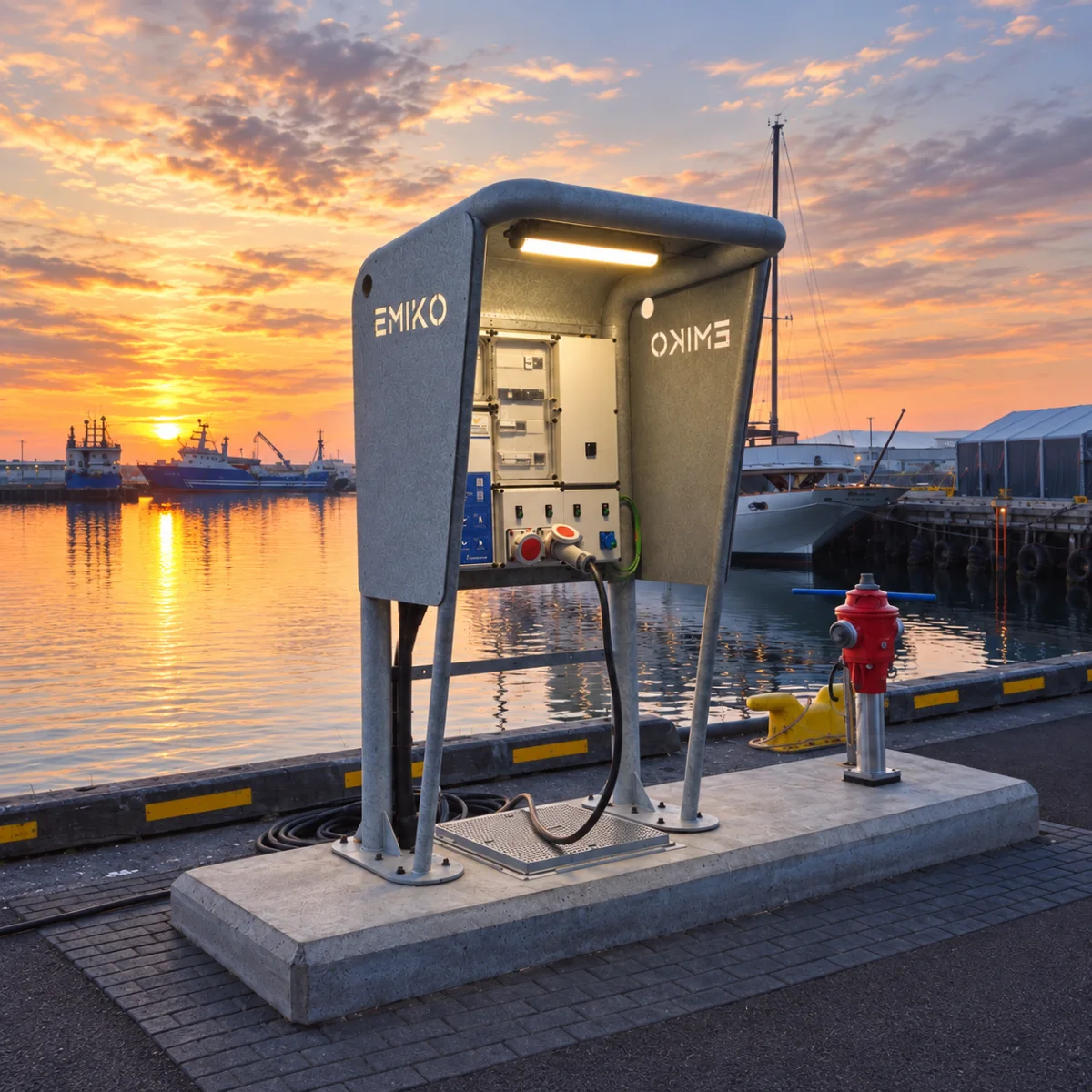
Review equipment positioning, cable routing, access for operation and servicing, and the handling of connections. The installation design should identify who checks compatibility and who is responsible for the operating procedure. Moving equipment into position does not remove the need to assess the site's electrical infrastructure.
Where a project is phased, identify the first operating area and how later service points would connect to the same plan. A trial should have defined users, a recording period and questions it is intended to answer.
Define the metering and customer workflow
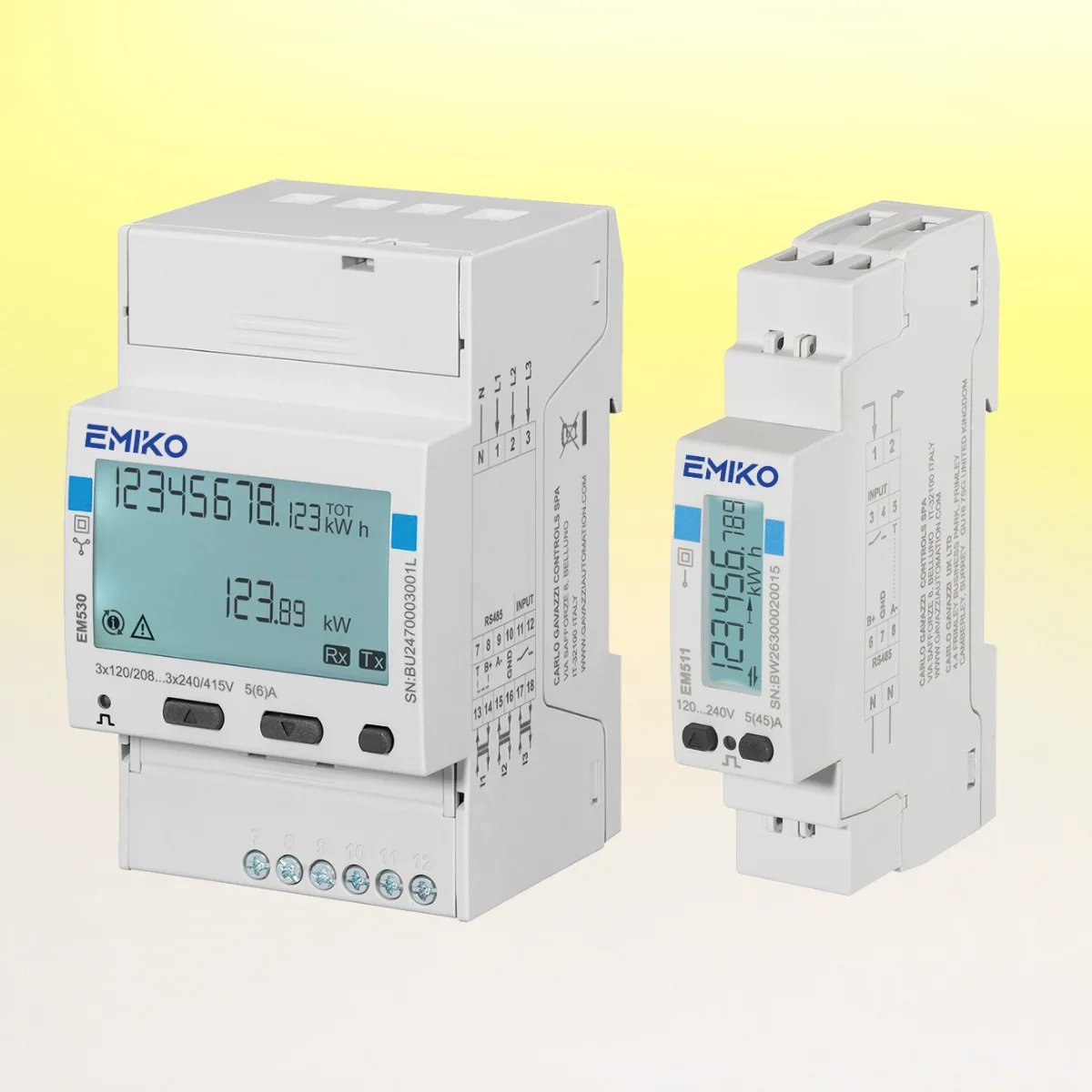
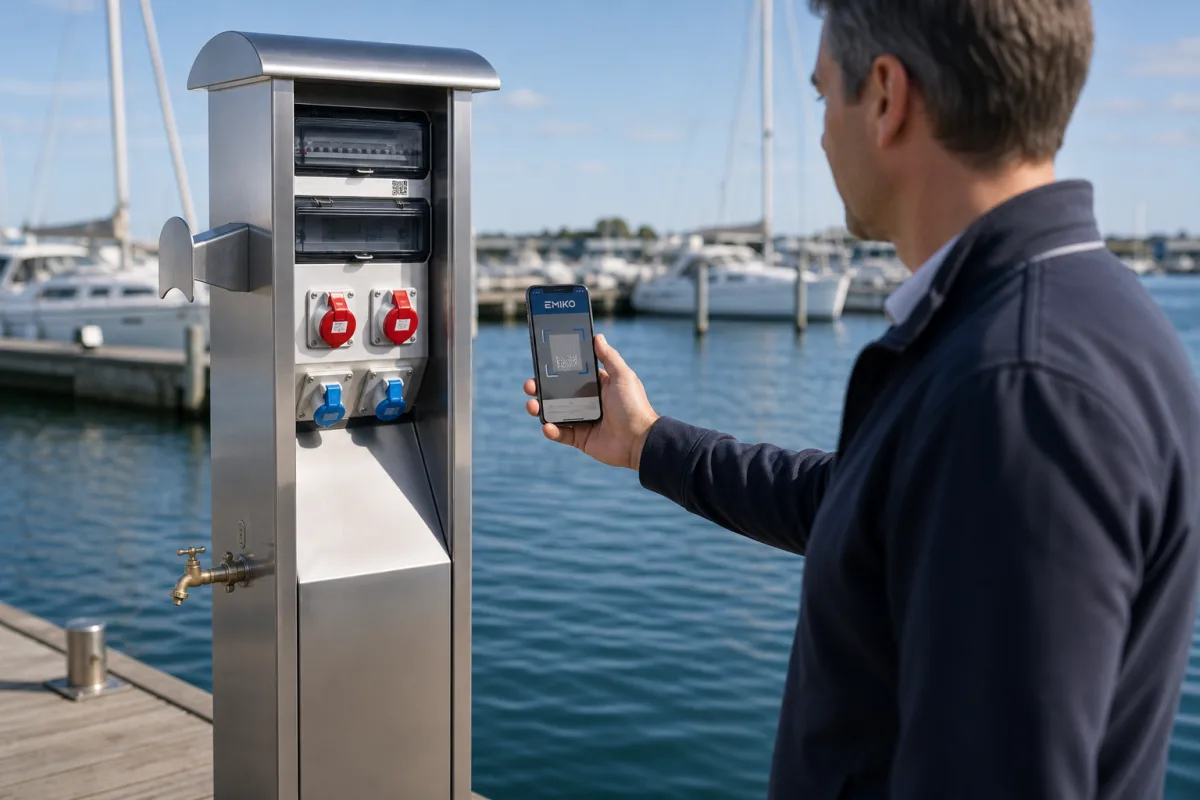
Determine how consumption will be linked to the vessel or customer, which tariffs apply and how records reach the financial process. EnergyLogger and the Emiko platform are relevant parts of compatible metering and operating arrangements; the integration scope must be confirmed for the project.
Consumption records help describe what was supplied. Financial savings, emissions comparisons and any funding application require their own assumptions and supporting evidence. They should not be promised from an equipment rating alone.
Bring a short project brief to the first discussion
- Vessel types, typical visits and expected service locations.
- Electrical requirements and information about the available site supply.
- Preference for mobile, permanent or phased installation.
- Metering, customer identification and settlement requirements.
- Site access, operating responsibilities and service expectations.
Discuss your shore power project with Vikingegaarden using this information as the starting point for configuration and site planning.